
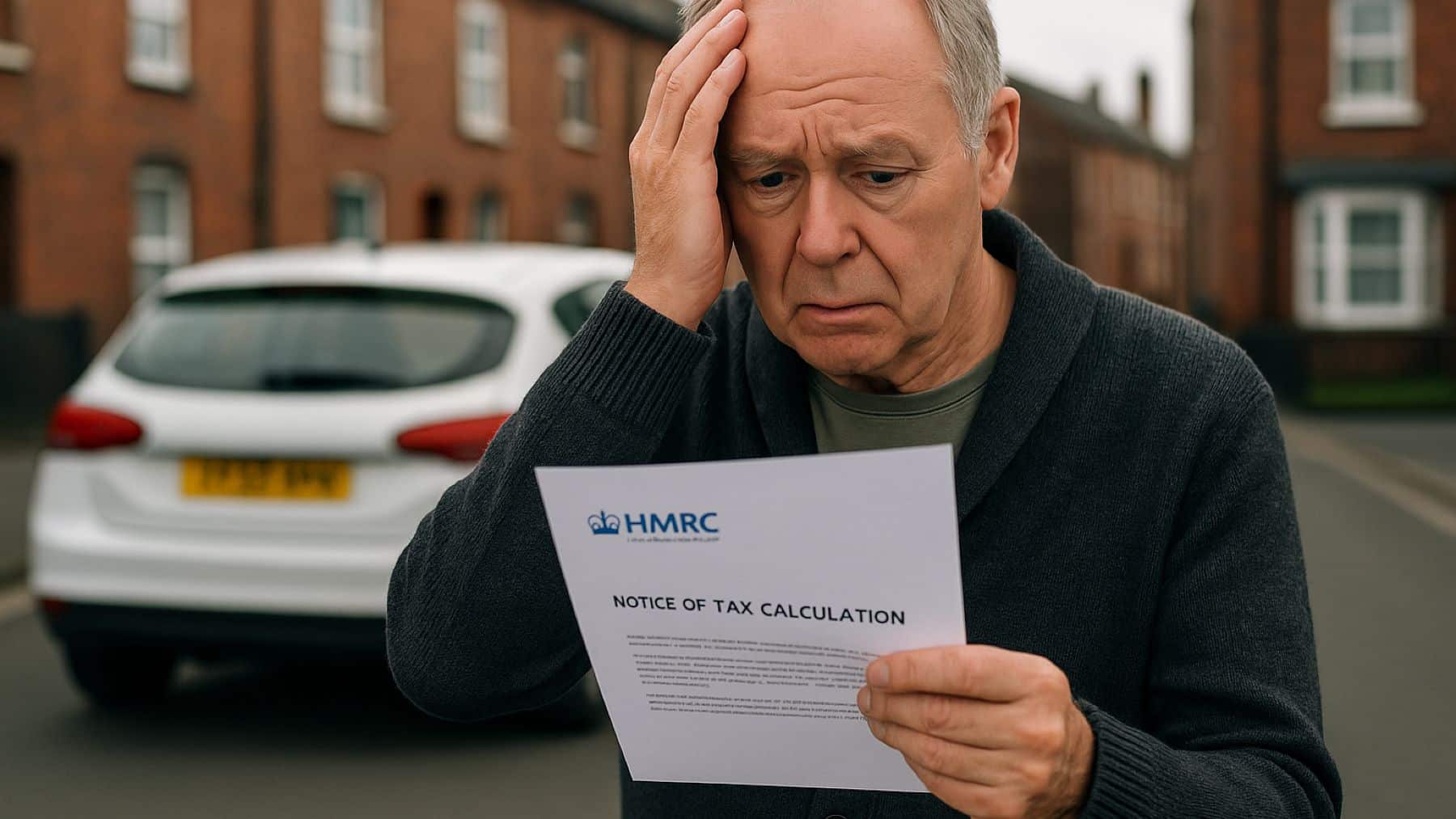
They say that no news is good news, and when it comes to a particular letter that some people will be receiving in the post, the saying holds some truth. The HM Revenue and Customs (HMRC) has launched a letter wave in the UK. Beware if your bank balance is around a particular amount, as you will be struck by this letter wave. Find out today which Britons will be receiving a letter, and how these letters could potentially impact your finances. Just ensure that your letter is authentic!
The HMRC has launched a letter wave
The new tax year 2025/26 is in full swing, and the HMRC means business. Britons’ final financial circumstances are being assessed, and some may be receiving a letter in the nationwide letter wave. Your bank usually reports your savings account information to the HMRC automatically, unless it is in a Cash ISA, which is exempt from tax.
You are allowed to generate interest on savings up to a certain threshold, called the Personal Savings Allowance, but if your interest exceeds this threshold, we recommend you start keeping an eye out for a letter from the HMRC. You see, if you exceed the Personal Savings Allowance, you will owe money in taxes on savings accounts, as per a report by Express.co.uk.
You will receive a letter if your bank balance is this amount
Those who are struck by the HMRC letter wave will be urged to either register for self-assessment or to pay additional tax. An alert has been issued because if you miss this procedure, penalties will follow. Now, if you are not certain whether you will receive a letter or not, it is best to understand the Personal Savings Allowance guidelines.
Understanding the Personal Savings Allowance
- Incomes less than £50,270 are allowed to generate an annual £1,000 in savings interest without being taxed
- Incomes of £50,271 or more are allowed to generate an annual £500 in savings interest without being taxed
- Incomes of £125,140 or more do not have a Personal Savings Allowance
Remember that other accounts’ interests also contribute to your threshold. According to the HMRC, the following people can certainly expect a letter in the post:
- People with £3,500 or more in savings
This is how much you will owe
According to the UK Government, the following accounts are contributors:
- Bank and building society accounts
- Savings and credit union accounts
- Peer-to-peer lending
- Trust funds
- Unit trusts
- Investment trusts
- Open-ended investment companies
- Payment protection insurance
- Life annuity payments
- Certain life insurance contracts
The tax amount you must pay will depend on your income, your total interest earned, and the date it was paid out. According to the HMRC:
“To decide your tax code, HMRC will estimate how much interest you’ll get in the current year by looking at how much you got the previous year.”
The UK Government has warned people about scammers pretending to be the HMRC. If you are uncertain about the authenticity of the letter that you received, rather be safe than sorry and use the UK Government’s tool to confirm if a letter from HMRC is genuine.
By simply understanding how the Personal Savings Allowance works, you could more easily manage the amount of taxes payable. For those who have received a letter in the post, ensure that you do not ignore the HMRC’s instructions, especially if you owe money. The agency has confirmed that it can now take cash straight from your bank, so be vigilant. Your money may not be as safe as you may have initially thought, but complying with the agency’s rule may keep your money safe in the long run.
Disclaimer: This content is informational only and does not supersede or replace the Department for Work and Pensions’ or HMRC’s own publications and notices. Always verify any specific dates and amounts by following the direct links in our article to the institutions or by consulting your local DWP field office or tax advisor.


