
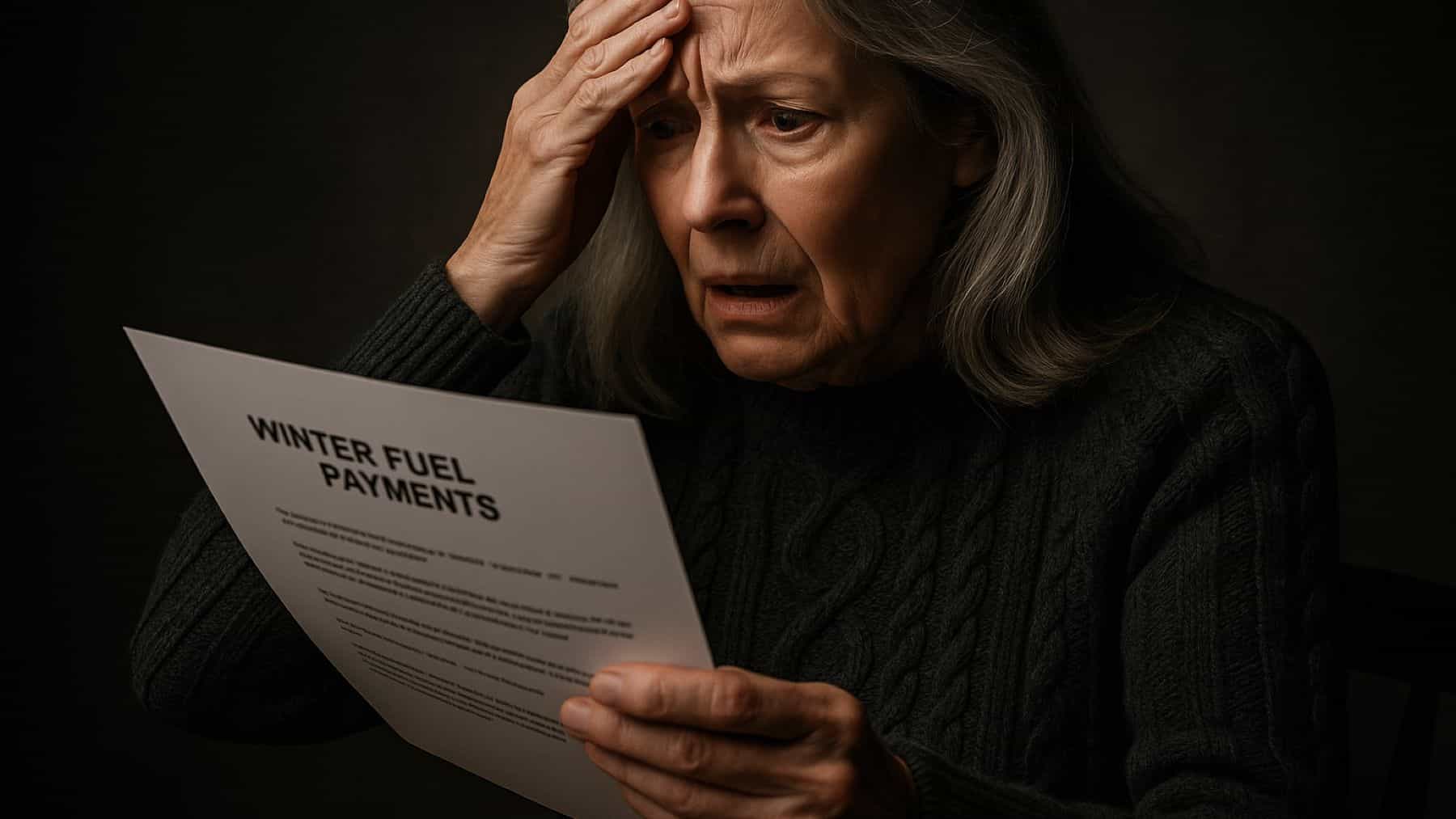
The cold may not bother some people, but others are more affected than some may think. For those who believe it to be unbelievable, just have a look at the significant increase in heat pump electricity demand in the UK winter months. Now, some state pensioners may face Winter Fuel Payments deductions, as new regulations target one group in particular. Losing this vital payment with the upcoming winter will be a significant blow to the affected state pensioners, as these payments make a world of difference.
State pensioners may face Winter Fuel Payments deductions
One of the UK’s longest-standing financial support schemes is the Winter Fuel Payments, which some Scots may know as the Winter Heating Payment. This scheme is extremely vital to qualifying seniors, as it assists them in affording heating costs during the colder months. Since seniors are more susceptible to cold-related illnesses and mortality, one can image why it is vital to keep the heat on.
Typically, state pensioners, thus seniors aged 66 and older, will automatically receive their annual Winter Fuel Payments, and no applications are needed. All of that is about to change. Millions of letters letters will be distributed that come bearing news of change for, as new regulations target one group of state pensioners. Understanding the new regulations is key to planning your finances and avoiding potential tax bill surprises.
The new regulations target one group
The HM Revenue & Customs (HMRC) will be distributing letters this month, containing information on which state pensioners may face Winter Fuel Payments deductions. This change forms part of new regulations that target one group specifically. The Government introduced a new annual income limit, which will result in repayment if anyone’s income surpasses the limit, resulting in lost payments of up to £300.
The HMRC will be taking £300 from your bank account, if your annual income is more than £35,000. Those who fall under this category may have to repay some or all of their Winter Fuel Payments. According to a report by The Star, predictions have indicated that nearly 2 million pensioners will be affected by the new regulations. However, the repayment process may not be as brutal as you may think.
How repayment will be collected by the HMRC
Everyone who qualifies for the Winter Fuel Payments will receive their payments initially, even though you may be above the income limit. Then, the HMRC will reclaim the Winter Fuel Payments from higher earners via existing tax arrangements, and not directly from your bank account as per se. These repayments will thus be collected either through Pay As You Earn (PAYE) deductions from pensions or salaries.
For those who have completed Self Assessments, the repayments will be collected via tax bill adjustments. The HMRC has issued an alert, because if you miss this procedure penalties will follow. For those who are concerned about the repayment amounts, the HMRC will spread repayment collection throughout the year for PAYE recipients, making the process easier to manage.
For example, if you have a total repayment of £200, you will be given the option to only have £17 deducted per month. Yet, there is another option to avoid repayments completely.
If you are certain that your income will surpass the £35,000 limit, you may want to consider opting out of receiving Winter Fuel Payments altogether. This year’s deadline to opt out of the winter payment has unfortunately already passed, but the deadline for next year is 1 April 2026. Opting out will prevent potential repayments and tax adjustments in the future. For more information regarding the Winter Fuel Payment scheme, please visit the UK Government website to view the official regulations on Winter Fuel Payments 2025.
Disclaimer: Our coverage of one-off payments, support payments, tax reliefs, tax refunds, tax credits and other payments is based on the official sources listed in the article. All payment amounts and dates, as well as eligibility requirements, are subject to change by the governing institutions. Always consult the official source we provide to stay up to date and obtain information for your decision-making.


