In 1941, an intrepid mind dreamed of a spacecraft firing solar rays back to Earth. Nobody was building anything like that or even thinking along those lines. The world was embroiled in war, and our technological capabilities were nowhere near what they are today. Companies are now looking to bring this idea to life.
Solar energy from a space station floating in the heavens
It sounds far-fetched even by today’s standards, but the dream had by Isaac Asimov in 1941 might take shape soon. The idea is to use this high-tech approach to help the world in its struggle to lower emissions and rely more on clean energy.
It is a bold plan that sees a company called Star Catcher leading the charge. The plan involves taking energy and converting it into a beam of light and then sending this to Earth. Sounds remarkable, but you have to admit, the plan sounds incredibly difficult too.
How they could go about getting solar energy beamed from space to Earth successfully
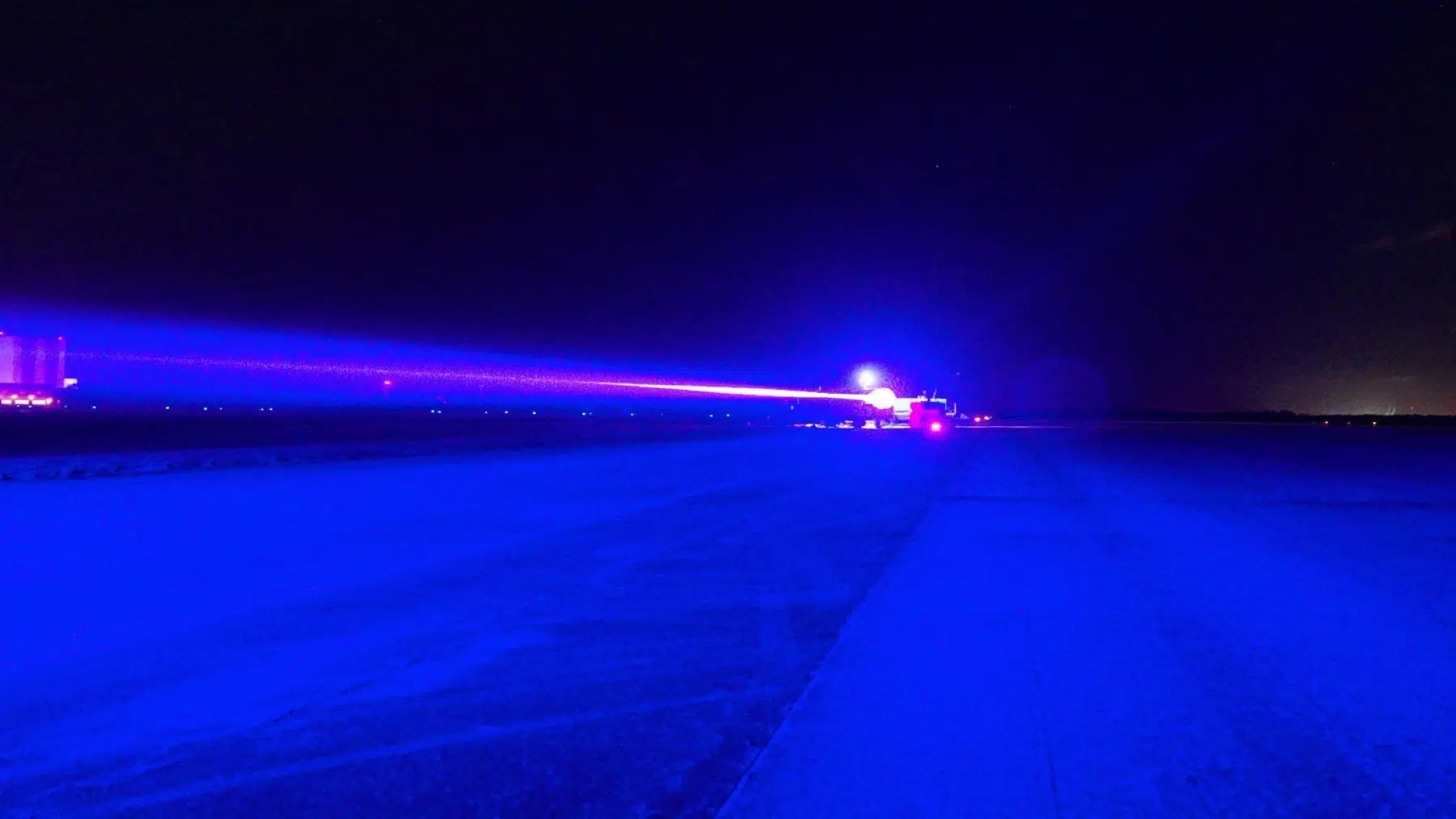
Getting all of this to work will be no small feat. Experts recently conducted tests using a beam to see if it could work when stretched over a long distance. This was the first step that saw engineers beginning to grapple with what this idea would entail.
This laser beam performed well. It didn’t flicker for a moment and then die. The laser held steady for hours. A beam that can do this provides the first win for this orbital solar power mission. A beam that isn’t steady would defeat the whole purpose of this project.
When will they be able to beam solar energy from space to Earth?
This first test is a victory, but the endgame is still many years away from being realized. To establish a project that involves solar panels floating above Earth and having the power they capture beamed back down to Earth is a plan that will present a challenge at each phase. Time needs to be taken.
Fortunately, Star Catcher isn’t alone in this endeavor. They’ve teamed up with Intuitive Machines, a space company with its eyes on the Moon. They are tackling the issue of long nights in space. These involve two weeks of darkness where equipment either freezes solid or drains its batteries dry. But if power can be beamed across distances, things could change quickly.
Where exactly are they testing these solar-powered lasers?
Testing in space has not begun just yet. It’s too early on, and those kinds of tests would be immensely expensive. The demonstrations were conducted at NASA’s Kennedy Space Center, and Star Catcher delivered more than 1.1 kilowatts of electrical power to commercial off-the-shelf solar panels using multi-wavelength laser technology. Within these conditions, the laser kept running. It produced enough energy to keep systems that would stop in the cold running.
It’s not exactly glamorous. Engineers are glued to monitors, hoping nothing overheats or explodes. But when the numbers come out right, it feels like a real breakthrough. Getting an unimpeded stream of solar energy is one thing, but these lasers are also addressing another important issue around solar energy.
The matter of storage. The energy is gathered where it is plentiful, like space, and it is beamed to wherever it’s needed. Batteries won’t play such a huge role anymore, and large solar farms in space would never dip in efficiency because of cloud cover or storms. There aren’t any of those in space.
Coal and oil will not be put to the side anytime soon, no matter how lavish energy projects become. Rooftop solar is also not antiquated because of these exciting developments, but one day both of those things could be true if this project heads in the direction experts hope it might.
Read the whole thing?
Get the week's signal, not the noise
Our sharpest reporting on energy, climate and nature — free, once a week.