
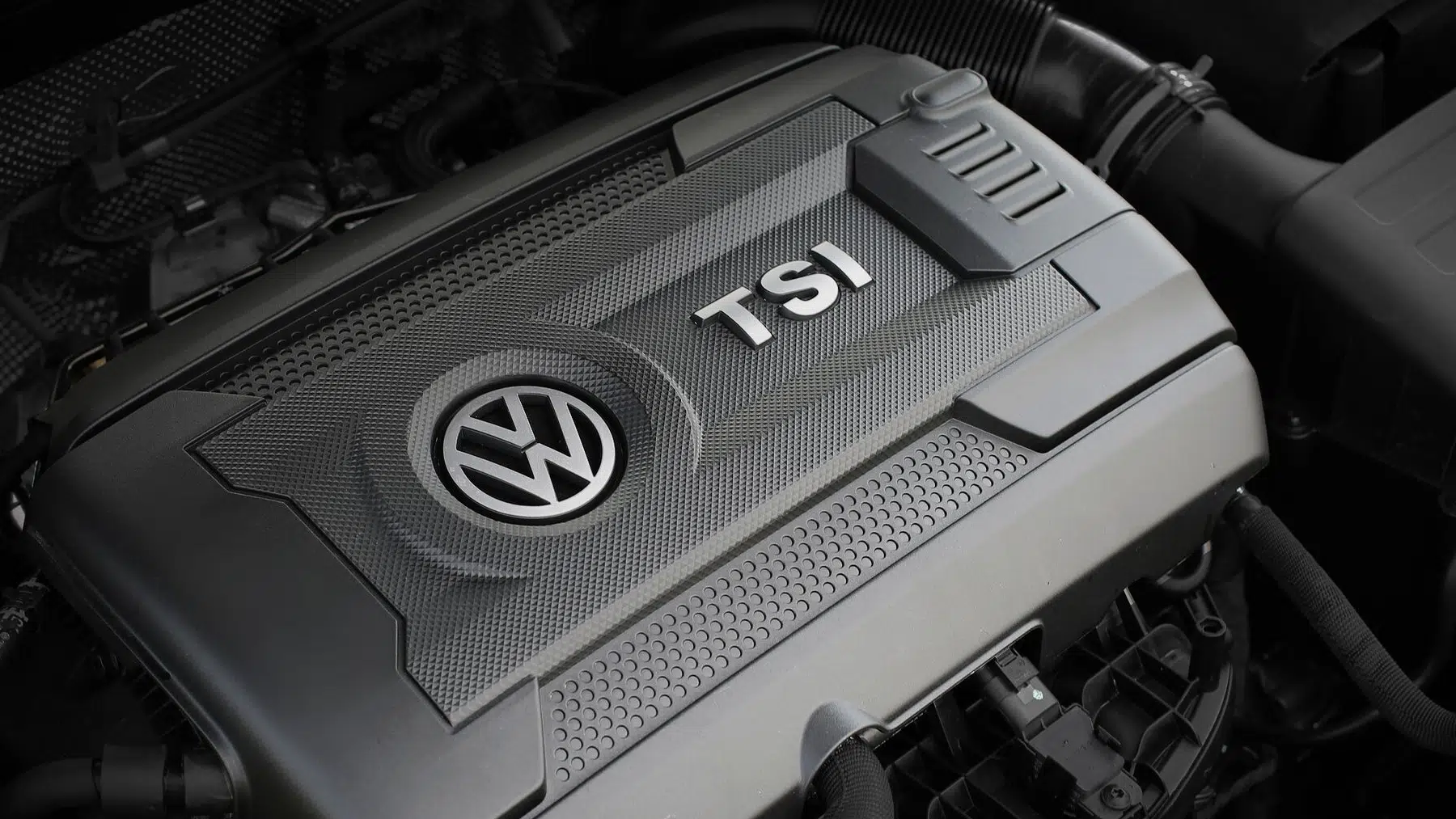
The automobile industry is divided over Volkswagen’s historic $60 billion investment in internal combustion engine (ICE) development. Even though electric cars are all the rage, VW’s dedication to developing conventional engines points to a strategy based on striking a balance between innovation and market realities. With significant ramifications for the direction of transportation in the future, this action establishes a new standard for vehicle engineering.
It’s safe to say that the shift to electric vehicles is not proceeding as smoothly as most automakers had anticipated. Many of them are now delaying their lofty goals and are uncertain about when they will fully make the switch to all-electric manufacturing. Volkswagen predicted just last year that by the end of the decade, 80% of European yearly sales would be electric vehicles.
Internal Combustion Revolution: Volkswagen’s $60 billion bet
Volkswagen has demonstrated more than just engineering ambition with its record-breaking investment in ICE technology. It shows how committed the business is to preserving productivity and adhering to strict emissions standards around the world. Even if EVs are becoming more and more popular, ICE cars are still necessary in many areas with little or no infrastructure for charging them.
The investment aims to increase the relevance of internal combustion engines (ICEs) in the age of climate consciousness by incorporating sustainable fuels and innovative hybrid systems. However, some argue that this money would have been better spent on hydrogen or electric alternatives. VW will now devote a third of the €180 billion allocated in 2023—mostly for next-generation electric vehicles—to the advancement of combustion engines.
Arno Antlitz, the Volkswagen Group’s Chief Financial Officer and Chief Operating Officer, made this announcement. As a result, the business intends to “keep our combustion cars competitive” by spending a healthy €60 billion. He added by stating that the past is not yet over, but the future is electric. It is and will continue to be a third.
Car brands that are switching things up in the world of engines and searching for what works better
The development of alternative fuels is also being closely examined by other luxury companies within the VW empire. Even building petrol stations that might be placed in clients’ houses and run on synthetic fuel is something Bugatti is considering. However, Lamborghini thinks that if the combustion engine can be powered by anything other than fossil fuels, it can be salvaged. Additionally, Bentley is investigating nearly CO2-neutral fuels.
The Crewe-based luxury automaker has delayed its target of being entirely electric by 2030 by three years. Additionally, Ford no longer anticipates that Europe will be all electrified by 2030. Additionally, Aston Martin has changed its strategy and will now continue to produce cars using combustion engines for the ensuing ten years. An increasing number of automakers are turning their aspirational e-car strategies into practical ones. After all, you cannot force them to purchase anything.
ICE and EV: A strategic balancing act
The intricacies of the global shift to sustainable transportation are highlighted by Volkswagen’s choice. The business understands that it must appeal to both developing EV markets and those that still rely on internal combustion engines. In order to satisfy a wide range of customer demands without sacrificing environmental objectives, Volkswagen is improving engine efficiency and using hybrid technology.
Though it begs the question of long-term sustainability, Volkswagen’s $60 billion investment in ICE technology demonstrates its engineering competence. Although the company’s dedication to catering to a variety of customers is reflected in the strategy, the increasing severity of climate change necessitates the use of cutting-edge technologies like geothermal energy to influence transportation in the future.
Read the whole thing?
Get the week's signal, not the noise
Our sharpest reporting on energy, climate and nature — free, once a week.


