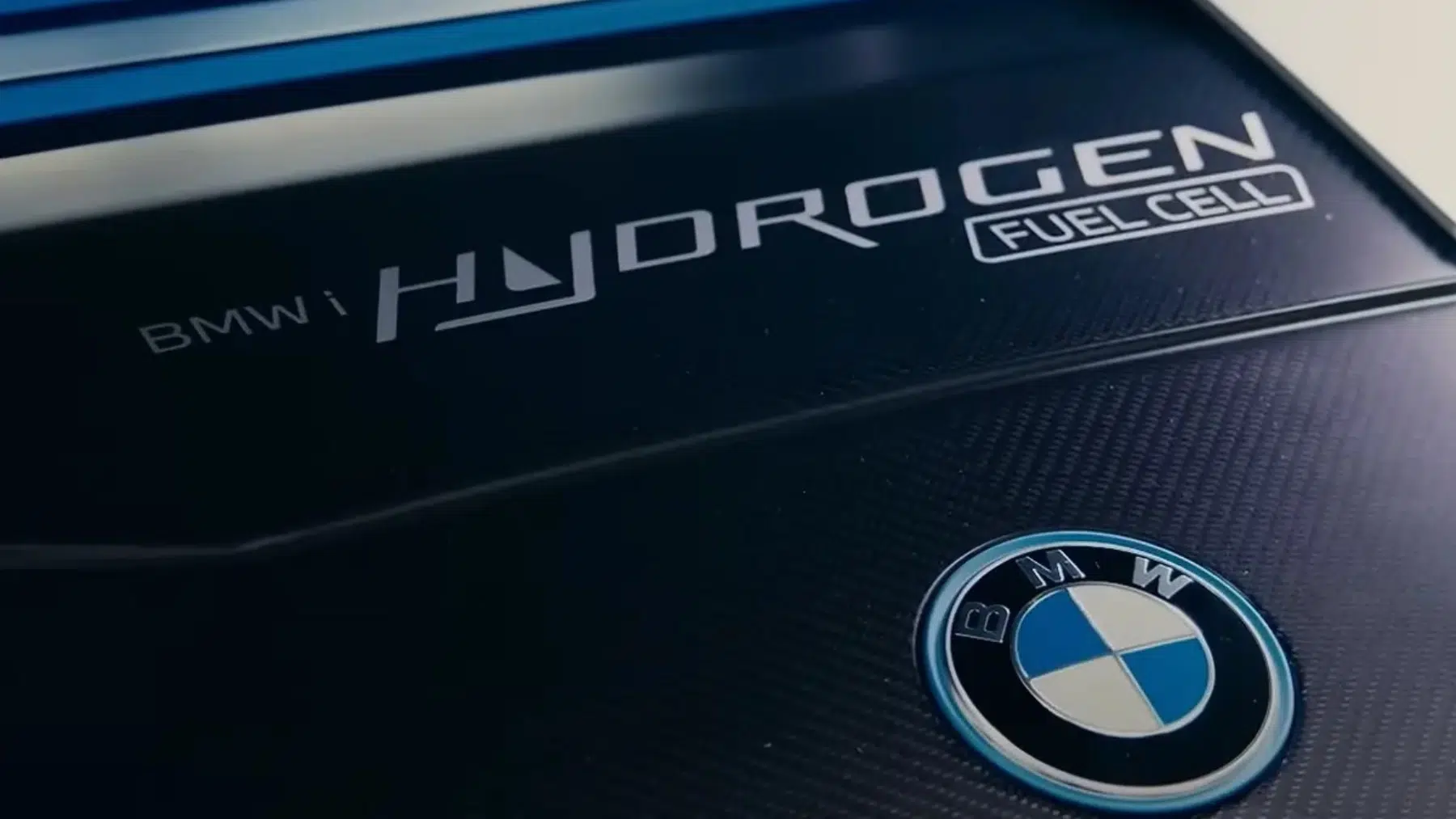
BMW have shaken the automotive world with their announcement of an engine that uses the “fuel of the future” coming into production in 2028. The German giant has been at the forefront of the decarbonization of the mobility sector. Their EVs are widely regarded as some of the best that money can buy. Their new partnership with iconic Japanese car maker Toyota will give them the competitive edge in the alternative fuel sector. They have committed to a future powered, in part at least, by hydrogen.
What is BMW’s history in the alternative fuel sector?
BMW are an iconic brand. The Bavarian car manufacturer began in 1916 with the founding of Rapp Motorenwerke, a company that produced aircraft engines. They would eventually move onto motorcycles and then cars. They have made a number of cars that defined a generation and cemented their reputation as a global leader in the automotive market.
Their success was compounded by their dive into racing. They have a number of teams competing in a range of different racing disciplines. Their production capabilities meant they were able to make nearly all their components in house. Giving them complete control of every aspect of a cars production process. Their first car that made a huge impact was the BMW 1500, introduced in 1962, which helped re-establish the brand as a modern and sporty carmaker.
From there the sky was the limit. And they indeed did reach for the sky. Their expertise in all manner of engines meant that when they decided to make the move into the EV sector, it was likely to be a successful one. Their BMW i3 was the first mass-produced BMW electric car. It showed the world that a major car manufacturer could make an interesting EV that we wanted to buy.
What is this new engine partnership all about?
After their success in the EV market, BMW was certain that more investment into alternative fuel sources was needed. They began experimenting with the hydrogen fuel cell stack as a possible replacement for the lithium battery packs that they were using in their EVs. The lithium battery pack has been a limitation on the progress and capabilities of the EV.
They have partnered with Toyota to produce a new hydrogen fuel cell for their cars set to release in 2028. The idea being that any of their cars that use electric power could easily be converted to get their power from a hydrogen fuel cell as opposed to a lithium battery pack. Which would eliminate the problems regarding range and towing capabilities.
Which new cars that will have the hydrogen fuel cell are yet to be announced, however many in the automotive industry have speculated that BMW will opt to introduce the engine into their SUVs for 2028. The SUV would make the most sense. It is the ideal candidate for the hydrogen fuel cell and is one of the best selling types of cars on the market.
Have BMW made a mistake with their hydrogen commitment?
The innovation in the automotive sector has the world excited about the prospect of a zero-emission car. BMW and Toyota have their own vested interests in the partnership being a success, besides the obvious financial returns. Their BMW i department is dedicated to the electrification of their cars and reducing the company’s carbon footprint in a very harmful industry overall. Will their commitment to hydrogen fail them in the end? The evidence coming out of California is not a good sign for the hydrogen powered car. Will BMW even sell the car in America? Nothing is confirmed as of yet.
Read the whole thing?
Get the week's signal, not the noise
Our sharpest reporting on energy, climate and nature — free, once a week.