At 18, something magical seems to happen. You are called an adult. You can vote. You can move out. You can sign contracts and make life decisions on your own. Society treats this age like a clear line between childhood and adulthood.
But inside the human brain, there is no sudden switch.
For decades, many experts believed that by the end of the teenage years, the brain was mostly finished developing. Experience would shape personality, but the structure itself was thought to be stable. That idea influenced schools, parenting, and even the justice system.
Then brain imaging technology improved. And what scientists saw surprised them.
The hidden changes no one can see
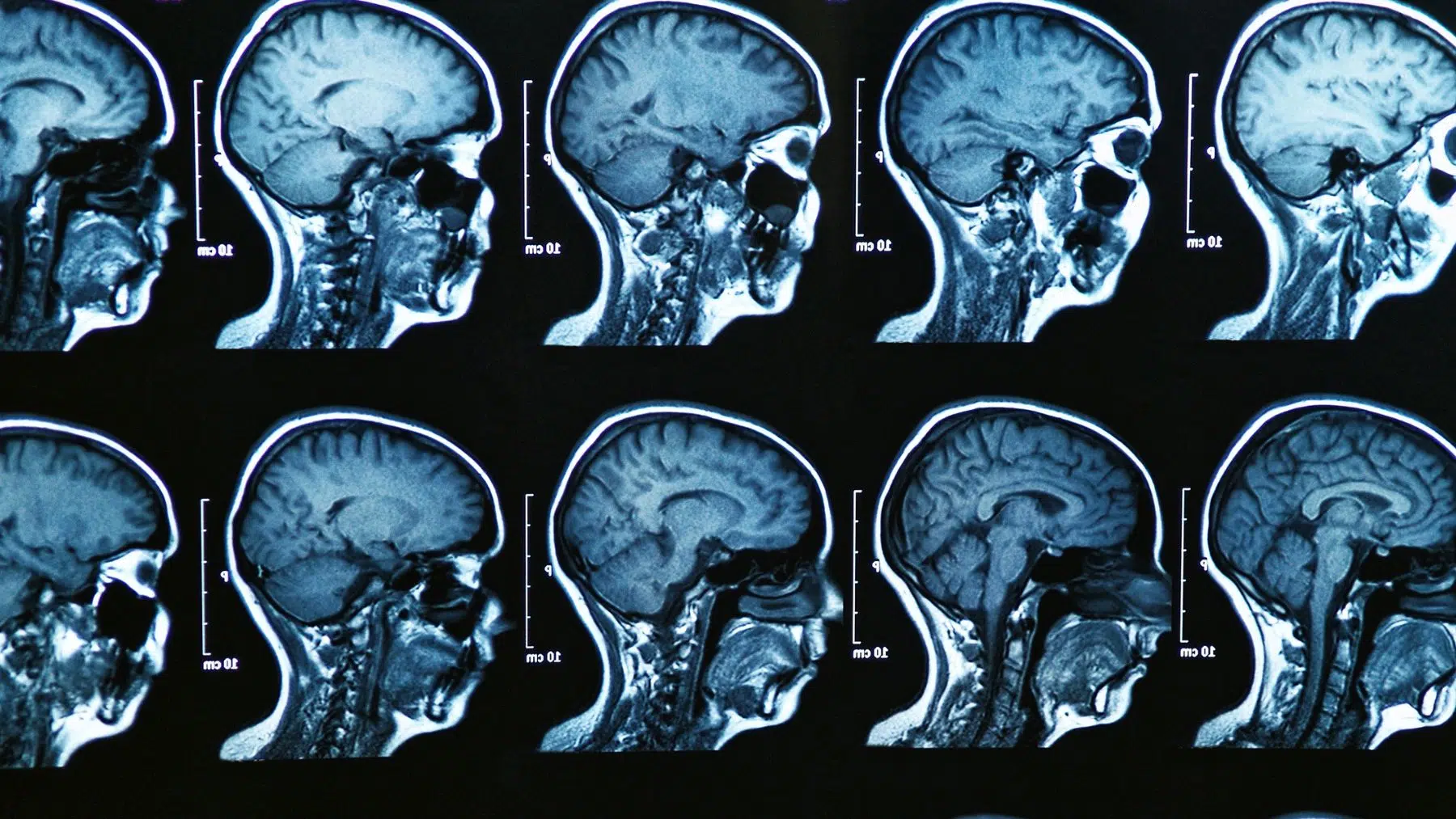
From the outside, a 19-year-old and a 30-year-old may not look very different. But brain scans tell another story. Using MRI technology, researchers began tracking how different regions of the brain change over time.
They found that certain areas were still reorganizing long after high school. Connections between brain cells were being strengthened, removed, and rebuilt. The brain was refining itself, almost like editing a draft.
This process is not random. The brain is becoming more efficient. It removes weak connections and strengthens important ones. Scientists call this pruning. It helps the brain work faster and smarter.
But something else stood out.
Why strong emotions come first
Researchers noticed that emotional centers in the brain develop earlier than control centers. The areas linked to reward, excitement, fear, and social approval become highly active during teenage years.
That means emotions can feel intense. Risks can feel thrilling. Social acceptance can feel extremely important. At the same time, the systems responsible for long-term planning and impulse control are still stabilizing.
This imbalance is natural. It pushes young people to explore, learn, and adapt. It also explains why decisions during this stage can sometimes be impulsive.
For a long time, scientists thought this process ended around 18.
But it does not.
The brain keeps developing into your mid-20s
The real surprise is this: the human brain continues developing well into the mid-20s, especially in the prefrontal cortex — the area responsible for judgment, planning, and self-control.
According to the National Institute of Mental Health, brain imaging research shows that the brain’s frontal regions are among the last to fully mature (National Institute of Mental Health – “The Teen Brain: 7 Things to Know”).
In simple terms, the part of the brain that helps you pause, think ahead, and control impulses is still under construction long after society labels you an adult.
This does not mean young adults cannot make good decisions. It means the brain is still fine-tuning its control systems.
Why this changes everything
This discovery has powerful consequences. It affects how we think about responsibility, education, and even criminal justice. If the brain is still developing in early adulthood, then maturity is not defined by a birthday.
It also offers hope. The brain remains flexible. This flexibility is called neuroplasticity. It means experiences — good and bad — physically shape brain structure. Learning new skills, forming relationships, facing challenges, and even making mistakes all influence development.
Instead of seeing early adulthood as a finished stage, science now views it as a critical growth period. The brain is strengthening pathways that will guide decision-making for decades.
Growing up is not a single moment. It is a gradual biological process happening quietly inside the skull.
And understanding that may change how we see ourselves — and each other — during one of the most important stages of life.
Read the whole thing?
Get the week's signal, not the noise
Our sharpest reporting on energy, climate and nature — free, once a week.