
The United States might be home to a substantial amount of natural resources, but this material is running out, putting all the world’s cars at risk. The shortage’s effect is not limited to just America, as all of the world is turning to different solutions in the hope of replenishing a material that is becoming more scarce by the day. Some of these solutions might even be more eco-friendly, making the substitutes more popular amongst suppliers and consumers as we speak.
This material is running out, affecting all the world’s cars
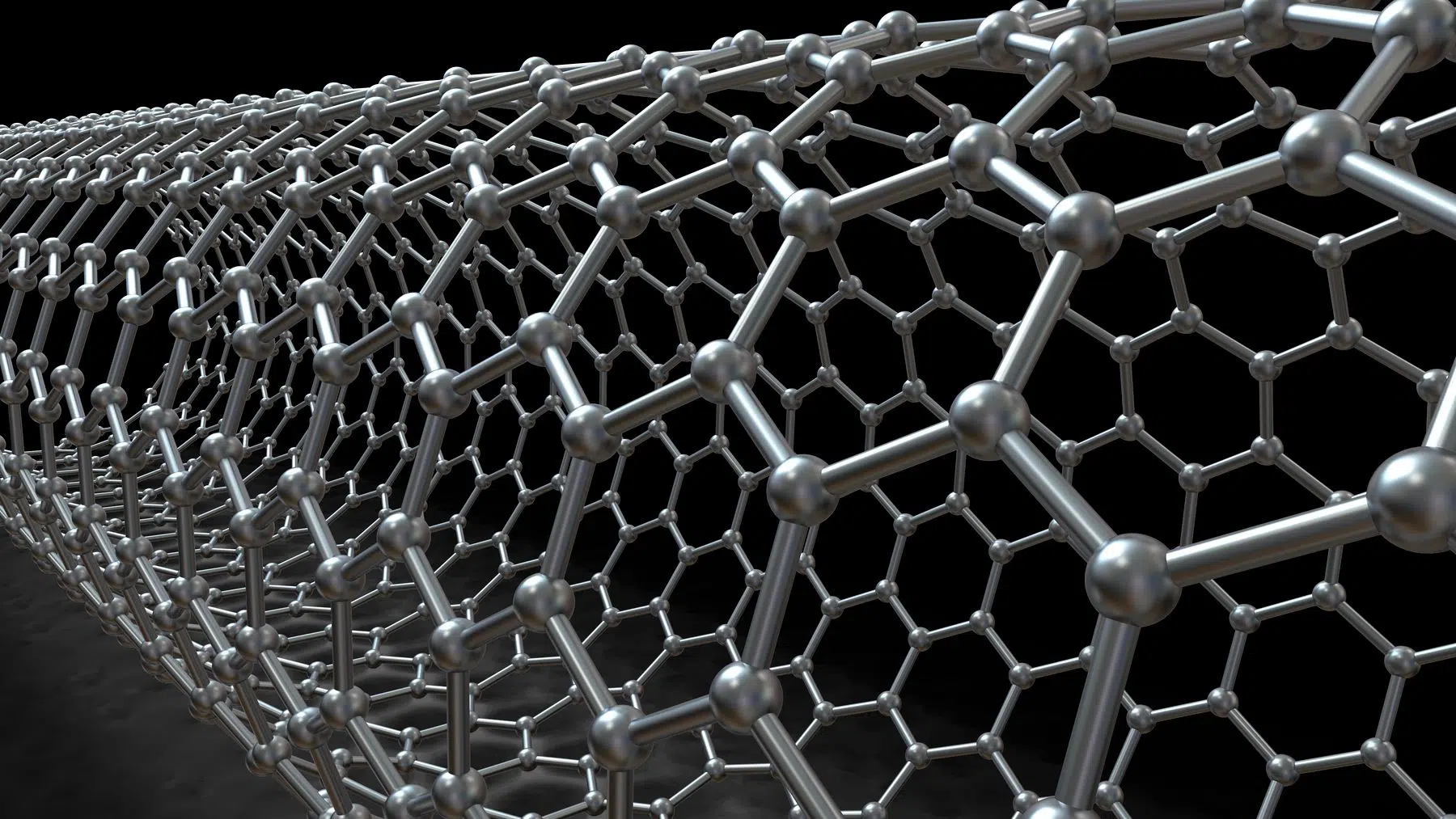
According to the U.S. Geological Survey, graphite has been classified as a critical material for energy due to the domestic supply of natural graphite being so small, and imports are limited. China is in control of 95% of the global graphite supply, leaving Western automakers and governments to cultivate similar sources of the material. With graphite seen as a critical material for energy, all the world’s cars are affected, since graphite has become essential in the production of EV batteries.
China has also been identified by the federal government as a Foreign Entity of Concern, which means vehicles with battery materials sourced from China don’t qualify for a tax credit. As a result, America has been working hard to find solutions to replenish the global shortage.
Synthetic graphite is said to replenish the graphite shortage
American automotive company, General Motors (GM), found a solution to the shortage after signing a multi-year agreement with Norway’s Vianode to supply synthetic graphite anode materials for EV batteries. The two companies announced that the deal will officially run from 2027 until 2033. Vianode plans on initiating synthetic graphite production at a new North American plant in 2027. The synthetic material will be utilized in batteries produced by Ultium Cells LLC, which joined the partnership between GM and battery supplier LG Energy Solution.
While the specific plant production site has not been finalized yet, the CEO of Vianode, Burkhard Straube, confirmed that production of 80,000 tons of synthetic graphite by 2030 is planned for the plant’s first phase. The production process is claimed to have a 90% smaller carbon footprint than traditional methods.
Another innovative solution to the shortage
A researcher from Oak Ridge National Laboratory (ORNL) invented and tested two methods for modifying coal, which is both abundant and affordable, into the scarce mineral graphite. The research team consists of a diverse team of engineers, materials scientists, and computational chemists across the laboratory.
According to the project leader, Edgar Lara-Curzio, the effort delivers three key benefits:
- Allowing wider adoption of electric vehicles to slow the impacts of climate change
- Protecting national security by decreasing dependence on foreign materials
- Providing economic development to former coal mining communities
“We can pivot from using coal to generate electricity to using coal to enable clean energy technologies, while helping people get back jobs and diversifying the supply chain for industry.” – Bishnu Thapaliya, an electrochemist on the research team.
The University of Kentucky Center for Applied Energy Research collaborated with ORNL to create and provide pitches, coal, and waste coal materials for utilization in the project. Another Industry partner, Ramaco Carbon, a subdivision of Ramaco Resources, Inc., which owns coal mines in Wyoming and Appalachia, also provides coal for the project and is confident in commercializing the technology.
The two new solutions mentioned above will not only benefit the environment whilst offering a solution to the shortage, but will positively impact the involved communities by creating more job opportunities in the respective industries. As more companies try to come up with innovative solutions to replenish the global shortage of graphite, we sincerely hope they will focus on utilizing methods that remain environmentally friendly, yet cost-effective.
Read the whole thing?
Get the week's signal, not the noise
Our sharpest reporting on energy, climate and nature — free, once a week.


