President Donald Trump has always been somewhat of an enigma. While some supporters might feel liberated by Trump’s presidential decisions, we are not sure everyone will be equally excited about what he called “Liberation Day.”
On April 2, President Trump declared sweeping new tariffs, which will undoubtedly have unexpected consequences. This is how American consumers will be affected.
President Donald Trump’s infamous Liberation Day
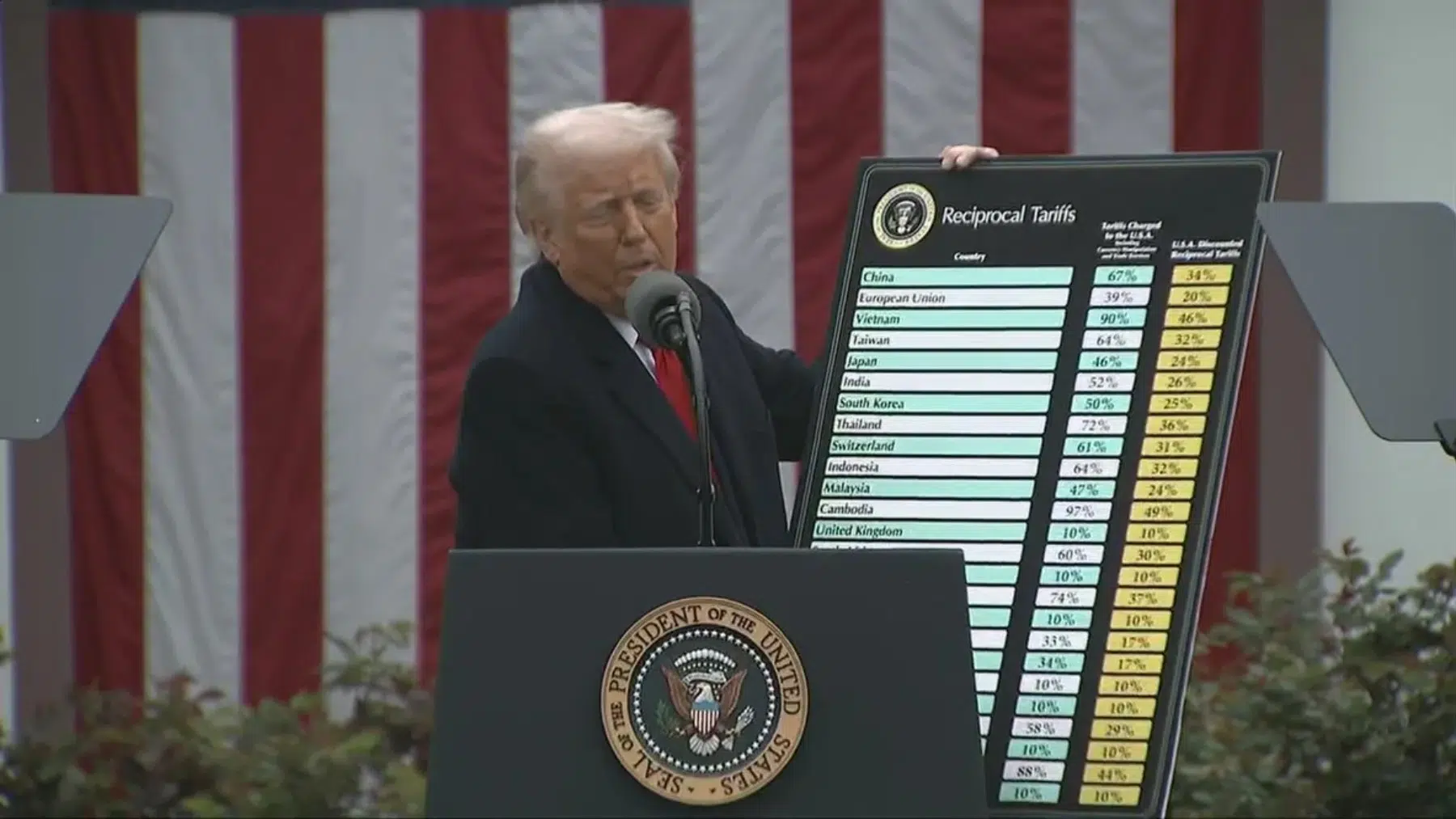
Trump’s Liberation Day is the day he declared an increase in tariffs for imported goods to the US. This increase will be a minimum of 10%, with some countries facing even higher rates. Foreign country tariff increases include a 20% tariff on European Union products, a 34% tariff on Chinese imports, and a 46% tariff on goods from Vietnam. Trump reasoned that this move would ensure that manufacturing on US soil would increase, leading America’s national economy into a golden era.
Understandably, these tariffs, also known as taxes, are used to protect domestic manufacturing from foreign competition. Experts have argued that these increases could drive up prices, slow economic growth, and even force the United States into a recession. Financial markets have reportedly reacted negatively to the announcement, with major stock indexes dropping since the announcement.
The products that consumers will no longer be able to afford
According to Trump’s administration, certain products will be excluded from the tariffs, such as semiconductors, pharmaceuticals and critical minerals, although it added that these products might be subject to tariffs at a later time.
The following products will become more expensive:
- Electronics (iPhones and TVs) – 34% tariff on imports from China and 26% tariff on imports from India
- Automobiles and parts – 25% on auto imports, as well as the universal tariff of 10%
- Clothing and shoes – 34% tariff on imports from China, 46% tariff for Vietnam, and 37% for Bangladesh
- Wine and spirits – 20% tariff on imports from the European Union and 10% import duty for the UK
- Furniture – 10% tariff for imports. Top exporters include China and Vietnam
- Coffee – 10% tariff on imports from Latin American countries like Brazil and Colombia
- Chocolate – 21% tariff on imports from Côte d’Ivoire and 10% for Ecuador
- Swiss watches – 31% tariff on imports
According to CBSMoneyWatch, Louis Amoroso, CEO of Full Glass Wine Co., made the following statement following Trump’s announcement:
“Tariffs on imported wines will create a ripple effect across the industry — impacting importers, distributors and consumers alike.”
We wonder if Trump truly considered all the possible consequences his decision could have on the US
The impact of tariffs on the prices of essential goods will have Americans counting their pennies. Target, Best Buy, and Hyundai have already declared that additional costs will be passed on to their customers. Walmart, on the other hand, tried reasoning with its Chinese suppliers to lower prices, but was met with resistance – nice try anyway, Walmart.
Other industries, such as the automobile and food industries, will face increased production costs, which could result in layoffs or reduced job opportunities. Federal Reserve studies indicated that tariffs during Trump’s first term led to an increase in unemployment in sectors affected by the increased costs.
Labor and regulatory costs in the US will cause manufacturing to become more expensive, resulting in more expensive products. The lack of infrastructure and specialized labor in the US for industries such as textiles and footwear causes full production transition to be impossible.
The White House’s statement on tariffs definitely shook the nation. Certain industries might reap the benefits from Trump’s so-called golden era, but American civilians might have to worry about an unstable job market and a higher cost of living. We hope Trump’s tariff gamble will lead to some prosperity and not another recession, or even worse, a trade war.
Read the whole thing?
Get the week's signal, not the noise
Our sharpest reporting on energy, climate and nature — free, once a week.