
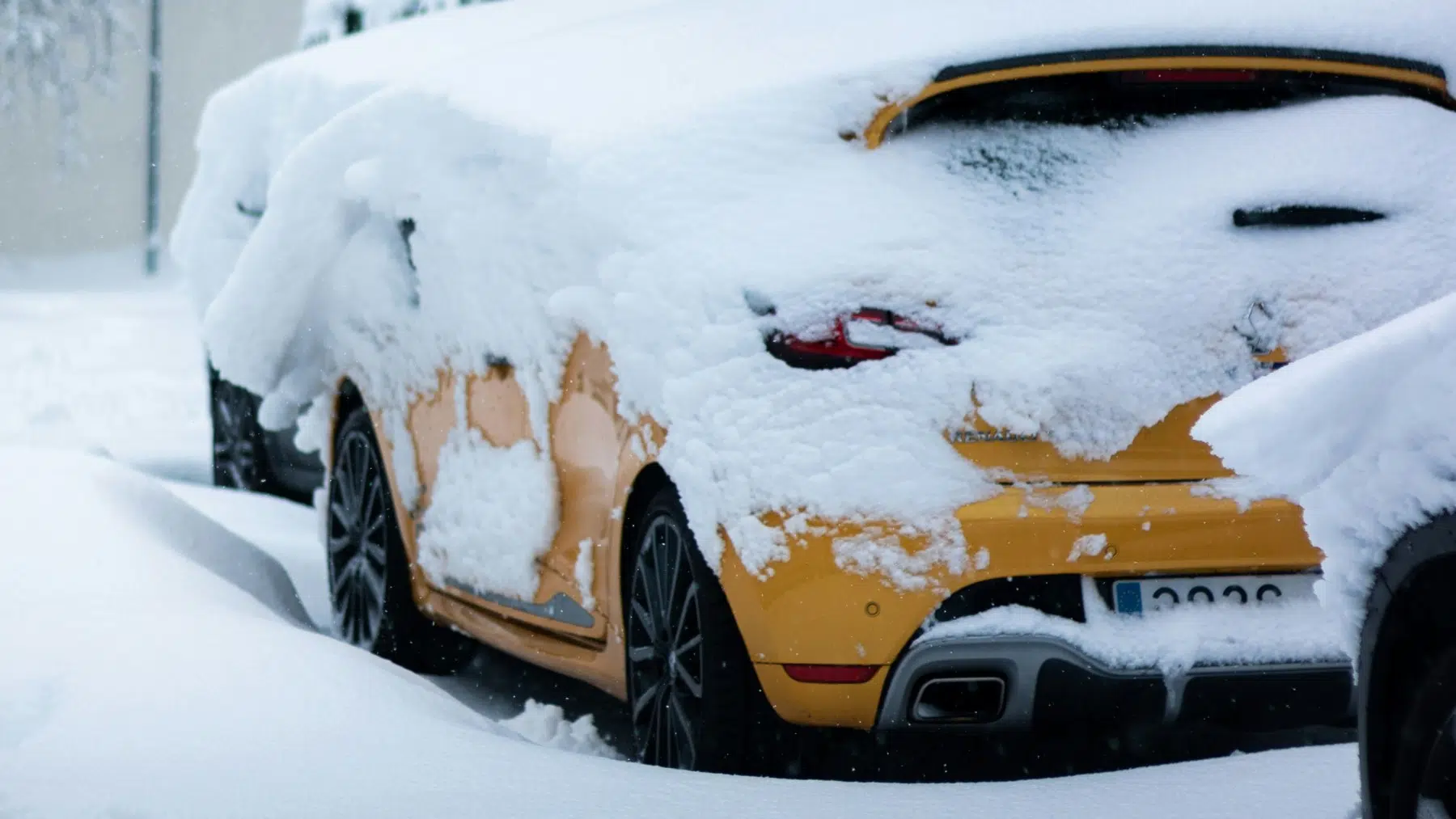
Drivers have been asked to try the penny test before Christmas Day, as weather forecasts predict that some U.S states may experience a white Christmas after all, including the one state where police will be stepping up road checks. Those who ignore the penny test may find themselves breaking the state’s newly updated winter traffic law, with drivers possibly facing fines as a result. To avoid potentially being fined over the festive period, ensure you know what the state’s law entails.
Drivers asked to try the penny test before Christmas Day
Nothing comes close to the magic of a white Christmas, where gathered loved ones can share in the warmth and joy as snow continues to fall outside. While earlier weather forecasts predicted a bleak chance of snow, AccuWeather has updated its prior forecasts, which indicate that the following states have a high chance of a white Christmas:
- Michigan
- Montana
- Maine
- Idaho
- Wisconsin
- New Hampshire
- Oregon
- Minnesota
- Vermont
- Washington
- North Dakota
- New York
- California
- Utah
- Wyoming
- West Virginia
- Pennsylvania
- Colorado
However, along with the magic of snow comes an increased risk of traffic accidents and higher road safety concerns. That is why police and safety marshals are upping their game, and one particular state’s police are stepping up road checks, which is why drivers are asked to try the penny test before Christmas Day. Find out more below.
Police step up road checks in this state
As winter continues ahead, more and more winter safety tips have been shared in an attempt to increase road safety, especially during the festive period. Some of the tips include how to defrost your windscreen during winter. Others entail using a penny or a quarter to check your tire tread. In Colorado, checking your tire tread will come in handy, as it will help you obey the state’s revised Colorado Passenger Vehicle Traction and Chain Law.
The law has been revised to boost road user safety, and mandates that vehicles must be equipped with tires with a tread depth of 3/16″. Note that a standard penny test measures approximately 2/32″, which is shallower than the required 3/16″ depth, so using a quarter or a tread depth gauge is recommended to confirm compliance. If you use a penny to get a general sense of your tire’s tread, you may do the following:
- Place a penny with Lincoln’s head facing down into the tire’s tread groove
- If you see the top of Lincoln’s head, your tread is not the legal depth
- If part of Lincoln’s head is covered, your tread may still not meet the 3/16″ legal requirement — use a proper gauge to confirm
Fines for non-compliance
According to the Colorado Department of Transportation, in addition to the Passenger Vehicle Traction and Chain Law’s revised tire traction depth, drivers are also mandated to have chains or alternative traction devices if their vehicles are not equipped with adequate winter tires. This annual law came into effect on September 1 and will remain in effect until May 31, 2026.
Drivers making use of the I-70 Mountain Corridor between Dotsero and Morrison must ensure they have a chain and have checked their tire treads. However, this law can also be applied to other state highways during extreme weather or road conditions. According to the Colorado Department of Transportation, the penalty for non-compliance includes a $100 fine and a $33 surcharge. Failing to comply with restrictions that result in a road closure can include a $500 fine and a $157 surcharge.
So, if you find yourself driving in a snowy mountain state such as Colorado over the festive period, especially on Christmas Day, ensure that you have followed all the winter safety tips to not only comply with traffic laws, but also to ensure your own safety and that of others. If you were bitten by the festive bug, please ensure that you do not decorate your car with Christmas lights, as several states, including New York, have made its laws clear on driving around with cars decorated with lights.
Read the whole thing?
Get the week's signal, not the noise
Our sharpest reporting on energy, climate and nature — free, once a week.


