Modern cars promise a lot. Better fuel economy, smoother driving, and smart modes that seem to do the thinking for you. Many drivers turn on these features and never look back, trusting the car to take care of itself. But according to people who fix cars for a living, some helpful-looking features can quietly cause problems over time—especially when used every day without thinking about how they work.
Cars work harder than most drivers realize
Driving may feel effortless, but inside the engine, thousands of small parts are constantly under stress. Heat, pressure, and friction are part of normal operation.
Most of the time, this is fine. Engines are designed to handle it. Problems usually appear when certain conditions repeat again and again over long periods.
Winter makes everything more demanding
Cold weather adds another layer of difficulty, because engines don’t like starting cold. Oil moves slower, metal parts are tighter, and warm-up takes longer.
This means the engine has to work harder just to reach normal operating conditions, especially during short trips and city driving.
Small habits can make a big difference
Simple choices—how fast you accelerate, how long you idle, and which settings you use—can change how much stress the engine feels.
Many drivers don’t think twice about these habits, because nothing feels wrong in the moment. The car still drives smoothly, and warning lights stay off.
Why fuel-saving features became so popular
With rising fuel prices and stricter emissions rules, automakers started adding modes designed to squeeze out every drop of efficiency.
These features are marketed as smart, safe, and cost-saving. For many drivers, they quickly become the default setting, used on every trip without question.
Mechanics see a different side of the story
People who repair engines often notice patterns that drivers never see. Over time, certain driving settings show up more often in repair shops.
The damage doesn’t happen overnight. It builds slowly, until one day a repair bill appears that feels sudden—but isn’t.
What mechanics say about ECO mode
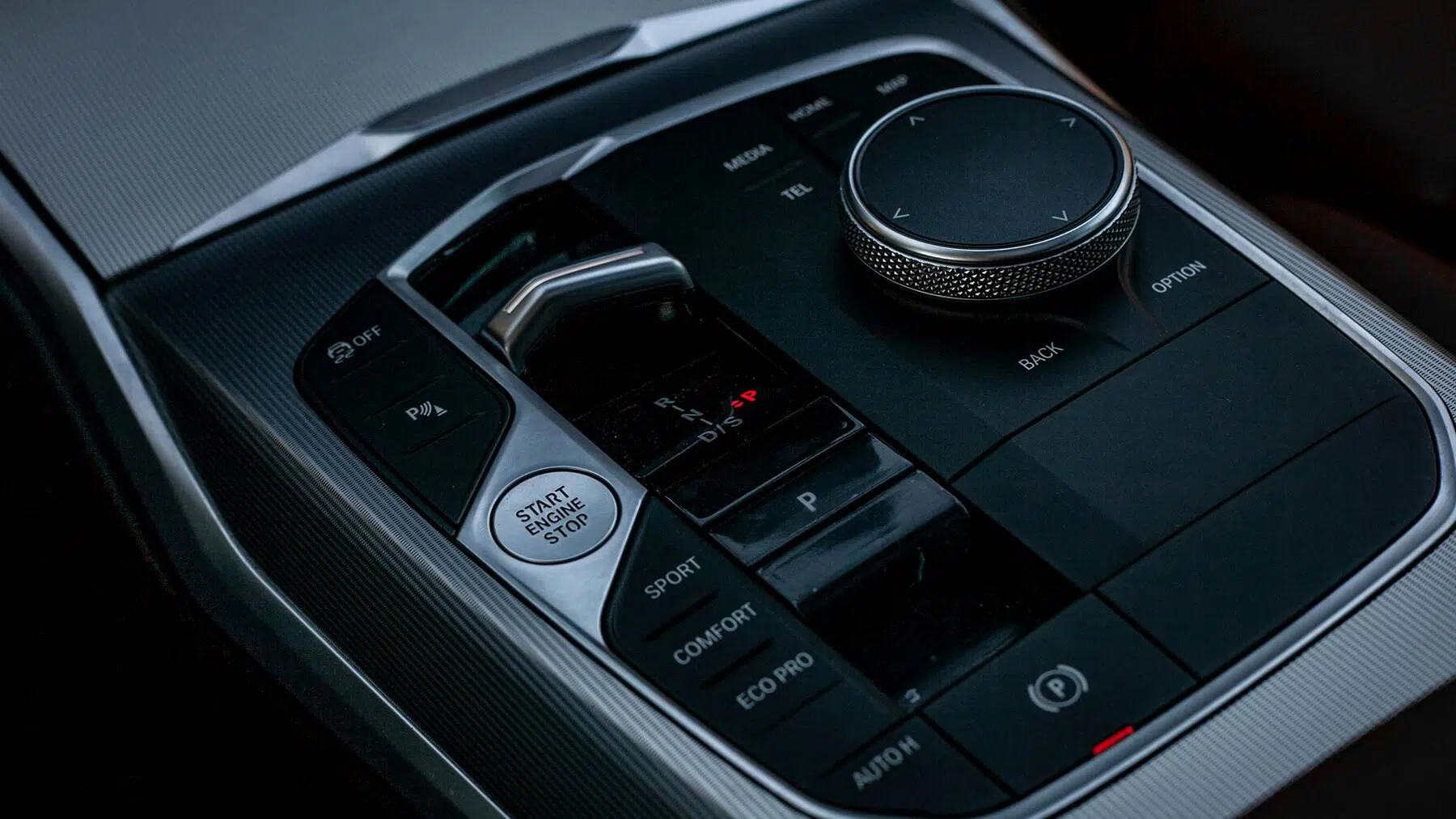
According to many mechanics, ECO mode changes how the engine works in a way that increases strain. It saves fuel by keeping engine speed very low and shifting gears early, even when the engine is under load.
This can mean higher pressure inside the engine with each combustion cycle, especially during city driving. Used occasionally, it’s fine. Used all the time, it may increase long-term wear.
Smarter use beats constant use
The takeaway isn’t to avoid technology, but to use driving modes with intention. Normal or comfort modes often allow the engine to operate more naturally, especially in stop-and-go traffic or cold weather.
Understanding when to use fuel-saving features—and when not to—can help drivers save money not just at the pump, but in the repair shop too.
Read the whole thing?
Get the week's signal, not the noise
Our sharpest reporting on energy, climate and nature — free, once a week.