
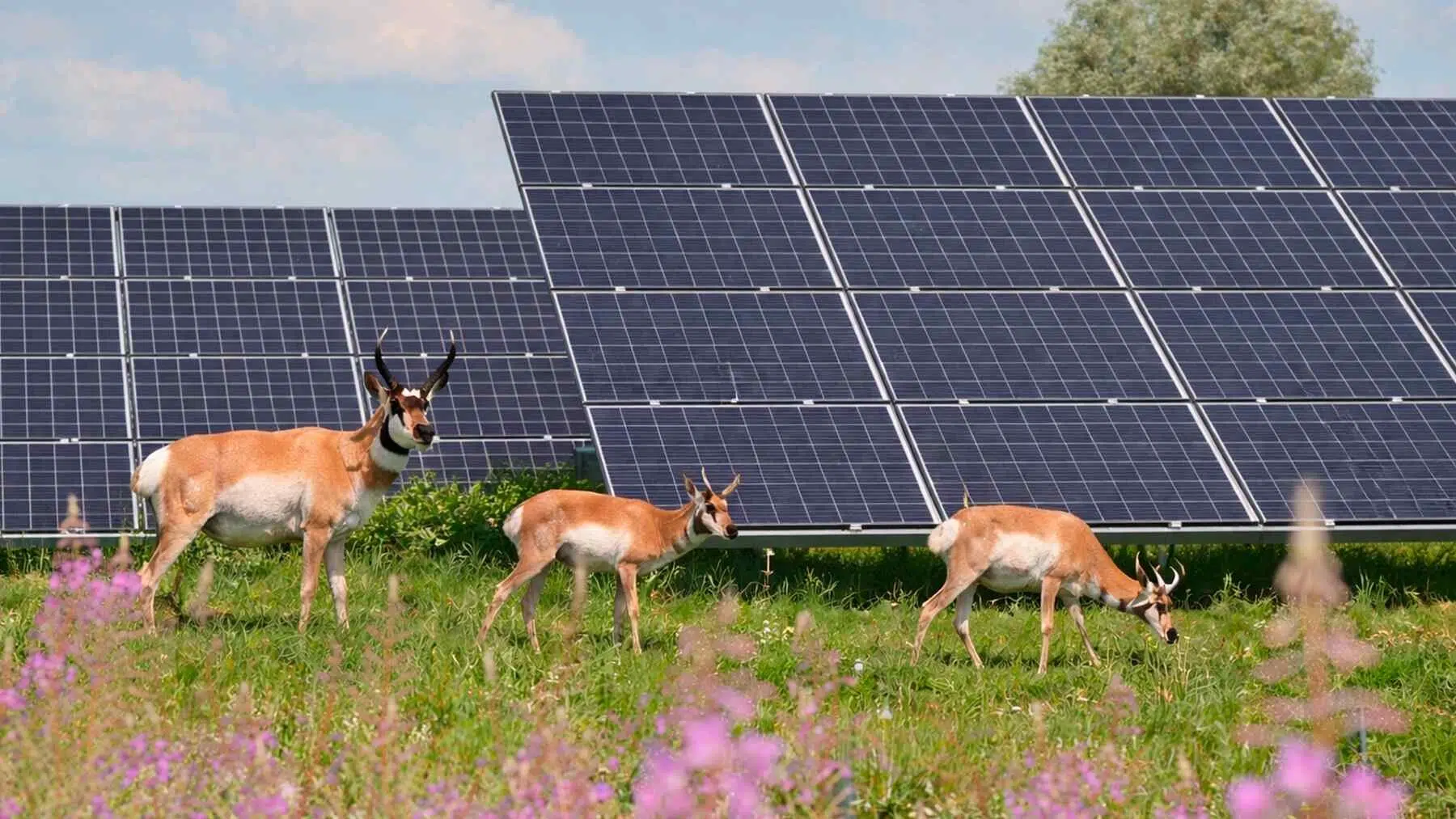
Solar panels are benefiting the world in more ways than we expected.
The green energy transition has been gaining major traction over the last few years as the world comes to accept that the energy industry needs to change. But how can a solar plant encourage endangered species to thrive around it, especially as the panels influence the temperature of the surrounding area?
What has led to some endangered species living beneath solar panel arrays?
How saving the planet we live on from human-led destruction is a top priority
The overwhelming realization that our own progress as a society is irretrievably damaging our only home in the universe has been startling, to say the least.
To date, over 190 countries have agreed to a plan that will protect 30% of the planet’s land and oceans over the next three years in multiple programs. Many have pointed to this being the “tipping point” to avert a mass extinction event in the not-too-distant future.
Protecting the Earth is paramount to our own future as a species, but developing carbon capture technology is exceedingly expensive.
The climate crisis can be somewhat averted by simply protecting the world’s oceans and forests, as they act like massive sinks that absorb the vast majority of the world’s carbon dioxide emissions.
A human paradox: Protect the planet or advance our society?
There can be no denying the astonishing impact that our progression as a society has had on the planet.
The civilization we have built requires vast amounts of energy for daily life. But over the last century or so, energy generation has ravaged the natural resources of the planet, leading to a new era of climate disasters that are becoming an all too common factor of modern-day life.
We know that new energy production methods are mostly spared by the recent weather-related events that have enveloped parts of the world.
But even the undisputed king of the renewable energy sector, solar power, has had to face the fury of Mother Nature in recent times. Solar panels now have more than just snow and rain to concern themselves with.
As we enter a new era of clean energy generation led by the renewable energy subsector, the impact of our collective decision is surfacing.
Parts of the world have turned to the untapped and often overlooked power of the wind energy sector. But even that can be brought to a complete standstill if Mother Nature chooses so.
However, everything is not all doom and gloom, as the Wildlands Network has recently shown us.
Hidden in the shade: Surprising residents thriving under North Texas solar arrays
With the climate crisis becoming the issue of our time, some states that have built a reputation for oil production have now turned to solar power.
The Texas-based Impact Solar project is one such development. Located in Lamar County in North Texas, it was one of the first major solar installations in the iconic region of the nation.
The plant’s management has found that several endangered species are not only living nearby, but are actually thriving directly underneath the solar panel array.
The camouflaged Texas Horned Lizard, as well as the ancient Alligator Snapping Turtle, have been monitored as they set up camp underneath the solar plant’s thousands of panels. This proves that through strategic design and habitat management, we can develop a perpetual balance with nature.
Solar panels have been found to create near-perfect conditions for some species to not only survive, but thrive.
What will the next unforeseen benefit from our green energy transition be as more and more nations and states opt to turn to solar power?
Read the whole thing?
Get the week's signal, not the noise
Our sharpest reporting on energy, climate and nature — free, once a week.


