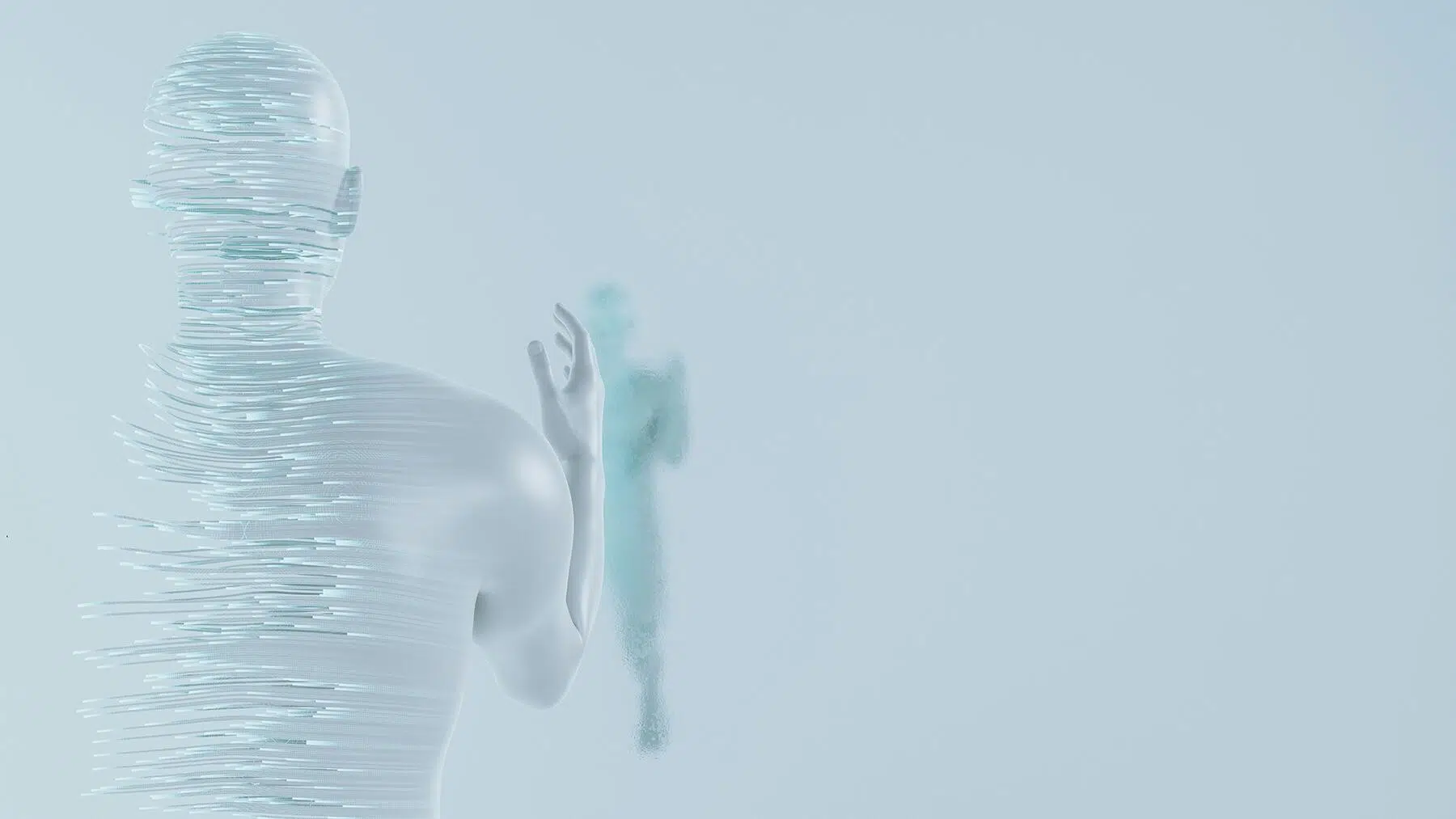
The first digital humans may come to life in 2026, transforming science fiction into reality. This year may very well bring forth the possibility of cyber twins that are identical in appearance to real people, mirroring how people think, behave, decide, and interact. Known as digital twins of humans, advances in generative artificial intelligence can be thanked for such a move forward.
Human Digital Twins, the next feature of Digital Twin Computing
Human Digital Twins are one of the main features of Digital Twin Computing that are not only meant to replicate the outer physical characteristics of humans, but also the physiological qualities as well. These Human Digital Twins will reflect the personality, sensibilities, thoughts, and skills of a person. By expressing each person’s individuality, the results achieved would elicit interactions based on that person’s characteristics. The focus with Human Digital Twins falls on individual decision-making, along with group intelligence.
With digital twins, they can be used to forecast individual preferences as well as population-type behaviors when more than one twin is analyzed. Looking at these behavior patterns will assist in guiding research, marketing, and social science. In the long run, participants may no longer need to be recruited and paid for research studies.
Constructing Human Digital Twins and how they differ from synthetic twins?
To construct digital twins, the amount of information available on the individual matters considerably. Information such as demographic attributes, beliefs, preferences, prior survey responses, and behavioral data can make a difference. When all important information is gathered, it gets fed into the model. The digital twin created is based on the budget and technical expertise and has been created to represent an individual. With more personal data used, the digital twin can resemble the human all the more.
Synthetic twins, on the other hand, make use of synthetic representations of population groups. The use of group-level attributes is used to create synthetic twins that will help with understanding broader trends. The need to gain data from an individual’s perspective is what led to the rise in the idea of Human Digital Twins. These twins will visually resemble their human counterparts and behave much like a human would as well.
How does the data connect with the AI system?
The richness of data available makes a world of difference. Once information is available, this information gets embedded in the data system. There are three methods used when embedding the data:
- Prompt augmentation: Gives personal context to the model.
- Retrieval augmented generation (RAG): Enables personal data storage and retrieves relevant information to ensure flexible modeling.
- Fine-tuning: Entails relying on domain-specific datasets and enabling predictions to draw on an individual’s history and the patterns observed in similar individuals.
Through this process, the Digital Human Twin can not only capture what people do, but showcase how people do it as well. Surely, this is a step closer to realistic human simulation. While here, the focus is on understanding the DNA of humans, DNA in motion has been spotted on Mars, provoking scientists to work on finding life outside of Earth.
Ethical questions and the long journey ahead
While digital twins are being seen as ideal for research-based endeavors such as filling in survey data, answering questionnaires, and anticipating users’ reactions, organizations are interested in using these twins to see how populations will react to policies and the like.
Nevertheless, the idea leads to ethical questions regarding informed consent, privacy, data ownership, and misrepresentation that may be common when replicating people. With ethical setbacks looming at the back of our minds, the world can look forward to a time when digital twins can work on your behalf, communicate with people, and be your interface in cyberspace. For now, research is underway on digital twins, but the idea is to work towards the promotion of the free use of digital twins. We have yet to see what having a digital twin will remedy, but for now, we can say goodbye to brain fog thanks to an autumn gem.
Read the whole thing?
Get the week's signal, not the noise
Our sharpest reporting on energy, climate and nature — free, once a week.