A forgotten American island has displayed a worrying ocean phenomenon that has confounded NOAA.
Our impact on the climate and our environment has become too clear to ignore any longer. Science has found several issues that are directly linked to our progress as a species and how we have impacted the life in our oceans. The sea is the ultimate boiling pot of life on our planet and needs to be protected at all costs.
What exactly has the NOAA scientist found at the forgotten American island in the Pacific?
How our progress as a civilization has impacted our one and only home
Our collective impact on our planet has been astounding.
We have essentially reweighed the world as human-made objects, such as buildings, roads, and other “human infrastructure,” which now weigh more than all living biomass on Earth combined.
We even created new types of “plastic rocks”. Plastiglomerates have been found, which are plastics that have melted and merged with sand on our beaches.
Our impact on the ocean has been profound as well. Human noise pollution is now so loud in our oceans that whales and dolphins have to “shout” to communicate.
Our oceans have become vastly different over time as we progress
Global warming has an “evil twin” that has been revealed by science in recent years.
We now know that the ocean’s chemistry is changing at a rapid pace. 10 times faster than at any time over the last 55 million years. Since the days of the Industrial Revolution, surface waters on our planet have become very, very different as they absorb roughly a quarter of our carbon emissions.
Even our mountains are changing in ways never thought possible, as they “walk” around the world.
The ocean has become the world’s largest heat bank. The seas of our world have absorbed over 90% of the excess heat we have created over the past few decades. Experts now state that the top layer of the ocean stores as much heat as the entire atmosphere of Earth.
Excess heat can cause irreversible damage to our lakes and oceans as they heat up and evaporate before our eyes.
NOAA has become a vital tool in understanding our planet and how our progress as a society has affected our only home.
A long-lost and forgotten American island that is changing at a rapid pace
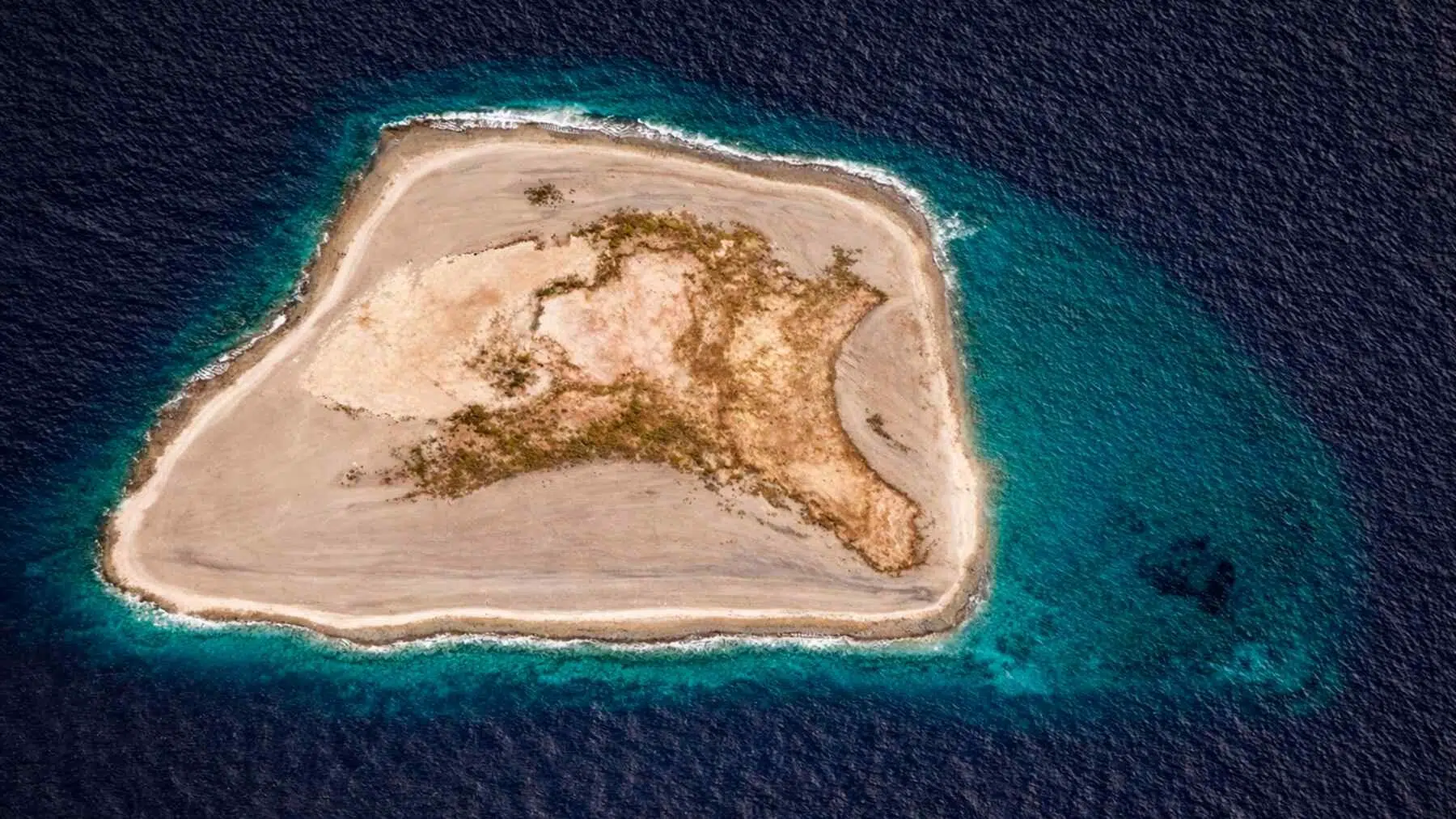
Jarvis Island has long been forgotten by the majority of Americans, but it is still heavily reliant on information from NOAA.
NOAA recently conducted a comprehensive study of the marine life near and around the island, and what they found was astonishing. The NOAA mission has set new records as it completed 422 fish surveys, as well as collecting coral images from 330 sites around the archipelago.
The team studied a variety of aspects near Jarvis Island, including but not limited to fish populations, coral reef growth, and the chemistry in the ocean waters.
Ocean acidity has become a major concern for scientists at NOAA
While other studies have focused on what is taking place deep underwater, this mission revealed that the extremely hot underwater volcanic vents in the region release carbon dioxide directly into the water.
The team now plans to further study the findings this year at Howland, Baker, American Sāmoa, Palmyra Atoll, Kingman Reef, and Jarvis Islands.
Routine surveys, including the recent mission by NOAA, have found that acidic conditions in the water have negatively affected coral diversity and biochemistry. The team used the information gathered at Jarvis Island to preview what could happen at coral reefs around the world.
NOAA warned us over the recent historic bomb cyclone that enveloped the nation, and has now warned us over how the waters around Jarvis Island are changing.
Disclaimer: Our coverage of weather patterns, climate outlooks, and severe weather forecasts is based on information from official sources such as the National Oceanic and Atmospheric Administration (NOAA) and the National Weather Service. This content is provided for informational purposes only and should not replace official alerts, warnings, or guidance issued by NOAA or local authorities. Always consult the NOAA resources linked in our article and follow official safety recommendations and advisories.
Read the whole thing?
Get the week's signal, not the noise
Our sharpest reporting on energy, climate and nature — free, once a week.