An airplane that never needs fuel sounds almost too good to be true.
In the current situation that we find ourselves in, the cost of air travel has become a major hurdle for millions of us. The public’s lamenting at the high prices of flights has raised serious issues for the aviation sector. But one French company has developed a truly remarkable innovation.
How can one plane fly for 67 days nonstop? We now have some answers.
Flying high, dreaming big. At least that is the hope
The need to innovate the aviation industry has become all too clear to us.
Flying is undoubtedly the most efficient way to traverse the great nation. But the longer the flight, the more we end up paying. The reasoning for this is that flying a plane is extremely expensive.
The jet fuel. The staff to fly the plane. And the services provided by aviation companies are astonishingly expensive.
That’s before we get to the hair-pulling fact of heading down to your local airport hours ahead of your flight. The cost of flying in this nation is no laughing matter. Most of us opt to drive across the country and avoid the headache of dealing with flying.
Captain, we need more power to sustain flight
Jet fuel is very expensive.
The wholesale price comes in at around $6.36/gallon. While this can differ depending on which state you are in, flying can cost us a dramatic amount of money. Most of us take months to save up enough cash for our flights to our annual vacation.
Our holiday budgets need to consider how much to allocate towards airfare.
While some of us opt to drive to our vacations, one small repair can lead down a very expensive road. Especially considering the number of things that can go wrong with your car.
Congestion is another factor that needs to be considered when driving through some cities in the nation.
But what if we told you that an iconic aviation company with decades of expertise has been working on a solution to the sky-high costs of flight? New forms of energy production that could power our public transportation sectors are a real possibility.
Green energy powering aviation has been proven to be real
An iconic French aviation company has reshaped the way we look at the skies above us. The waits at the airports of the nation may become a thing of the past.
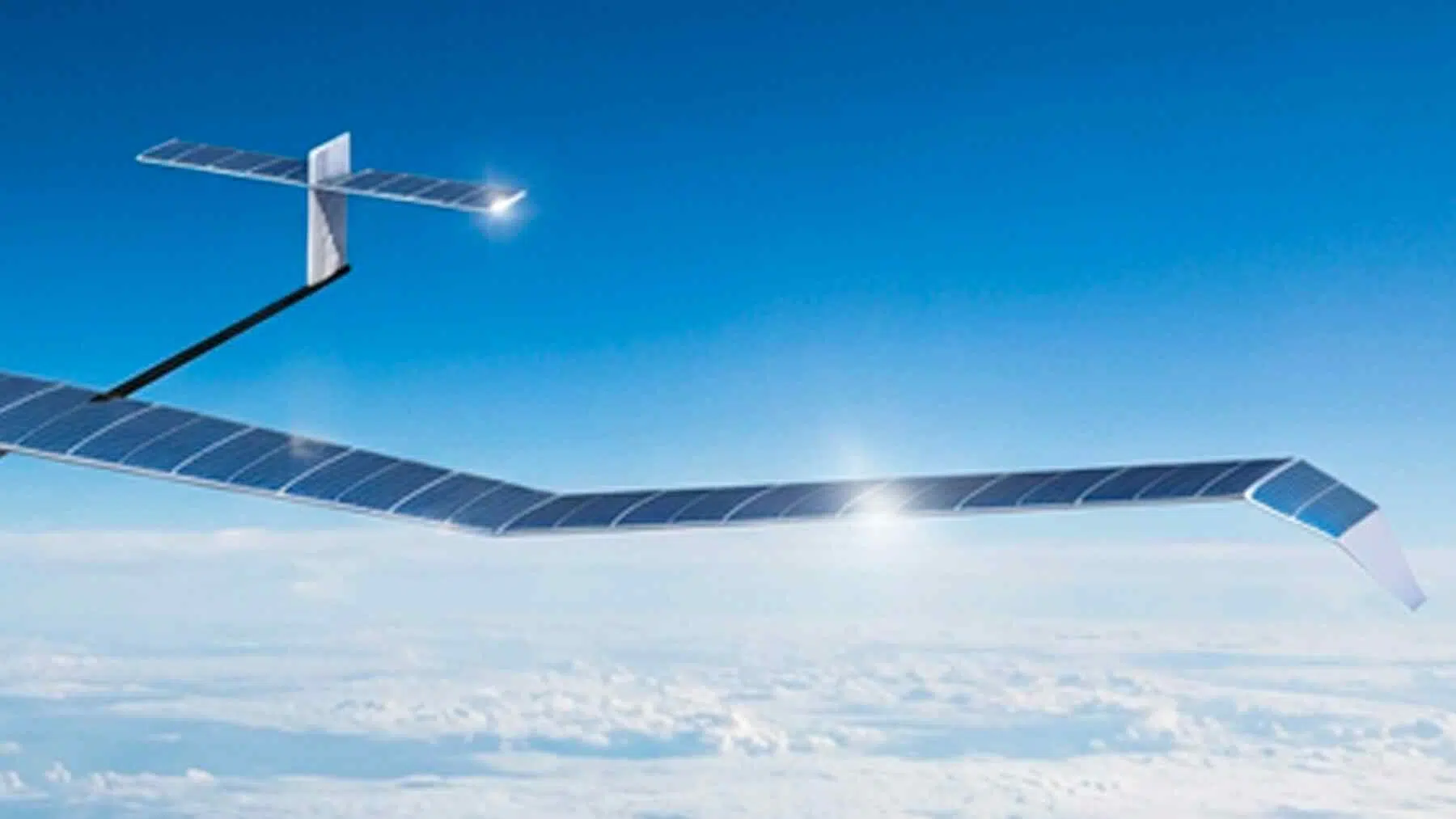
Airbus has been making planes that traverse the air for decades. The French company has now revealed its latest innovation, known as the Zephyr High Altitude Platform Station.
Through the company’s subsidiary, AALTO, Airbus has reshaped the way we think about the aviation sector.
The Zephyr recently flew nonstop at 70,000 feet for an amazing 67 days, a world record-breaking achievement. It accomplishes this feat through an innovative system that uses solar power for sustained flight.
An innovation that operates in the stratosphere is no joke
The “plane” can draw all the fuel it needs for astonishingly long periods of flight directly from the delicious rays of the sun.
France has revealed its secret weapon, and it will change the aviation sector for good.
It stands as the only fixed-wing HAPS to have demonstrated day and night endurance in the stratosphere. It makes use of the innovative battery storage system that has become prevalent in solar arrays.
By storing the sun’s power during the day, the battery system allows the innovation to fly at night for very long periods indeed.
The French aviation giant has noted that the plan is for the Zephyr to fly for 300 days, an achievement with far-reaching implications for the aviation sector.
Disclaimer: Our coverage of events affecting companies is purely informative and descriptive. Under no circumstances does it seek to promote an opinion or create a trend, nor can it be taken as investment advice or a recommendation of any kind.
Read the whole thing?
Get the week's signal, not the noise
Our sharpest reporting on energy, climate and nature — free, once a week.