
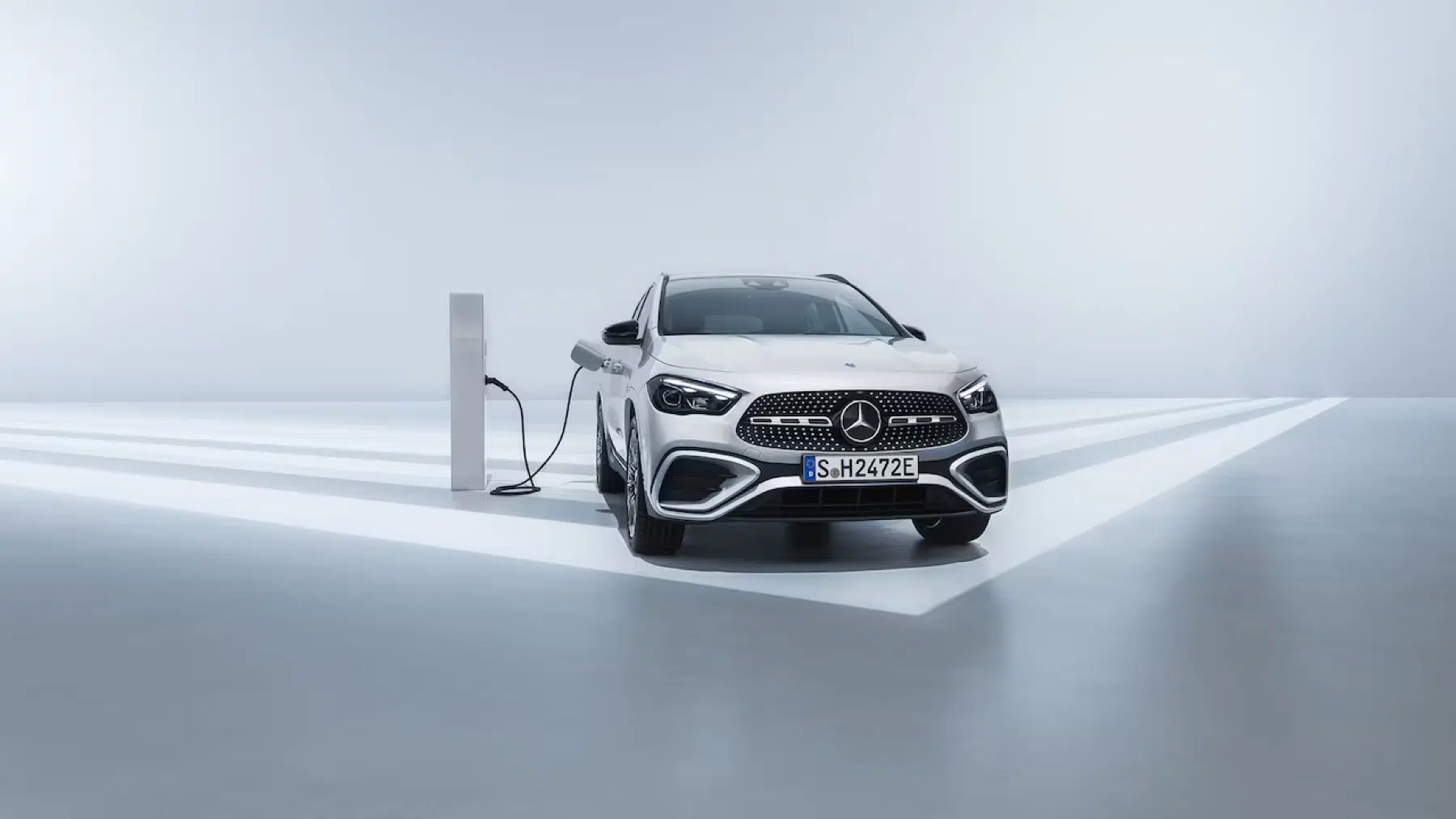
Could this be the beginning of the end for hybrid vehicles? Mercedes-Benz has just revealed a groundbreaking prototype geared towards redefining the automotive landscape. Mercedes-Benz developed this prototype that features battery technology and performance capabilities that exceed the hybrid standards. The automaker could be hinting at a shift toward full electrification. Although several other countries are scrambling to control the critical mineral resources, this latest invention places Mercedes-Benz right at the forefront of the global electric vehicle (EV) race.
A move towards German electrification
Germany has acquired a reputation for its engineering excellence in terms of the automotive industry. The established legacy is being reworked with a core focus on sustainability and speed. In a recently released promotional video, the new Mercedes-Benz prototype is more than just a conventional hybrid — it is a vehicle that the company itself joked might have been taken, “too far.”
The model is a giant leap away from other hybrids. The new Mercedes-Benz prototype has a fully electric drivetrain with near-instant torque delivery, AI-assisted navigation systems, and a battery range never seen before in EVs. This prototype will shift customer expectations and change the EV industry’s goals. The prototype is said to use an advanced battery composition that reduces the EV’s reliance on rare and controversial minerals, such as cobalt, and boosts energy density and charge cycles. Could this car be a glimpse into the electric future of Mercedes-Benz?
Racing to gain valuable minerals
The Mercedes-Benz invention has come at a critical time as the U.S. and Ukraine are engaging in discussions about a “reconstruction investment fund”, that would enable the U.S. to tap into 50% of revenues from Ukraine’s government-owned natural resource assets. This deal could reveal resources such as cobalt, titanium, and possibly rare earth elements which are crucial to building EVs.
Dr. Laura Lewis, a professor of chemical and mechanical engineering at Northeastern University, states that critical minerals are irreplaceable in advanced technologies. Although Ukraine is said to have deposits of cobalt, graphite, and even lithium, Lewis cautions that these claims are often overestimated.
The beginning of a new era
In contrast to the view that rare elements are indispensable when building EVs, Mercedes-Benz’s most recent prototype shows it is possible to reduce dependency on these uncertain minerals. Mercedes-Benz shows that the focus is on energy efficiency with a prototype manufactured in such a way where abundant elements are relied on. This vehicle will reduce the need for minerals like cobalt, which is a rather complex element for EV manufacturers to get their hands on. This prototype emerged following the decision of Mercedes-Benz to stop producing fuel cell-powered hydrogen cars.
The Mercedes-Benz era
Hybrid vehicles created the ideal bridge between fossil fuels and electric innovation. However, the dual system of hybrid vehicles adds further complexity, weight, and cost. The latest prototype from Mercedes-Benz puts the spanner in the works for hybrids and suggests that hybrids will no longer be necessary.
Moving away from hybrids means moving toward the adoption of broader global trends. EV technology and infrastructure are improving, and fully electric vehicles are becoming highly desirable for most. The Mercedes-Benz prototype is redefining the standards of engineering while moving to a global shift towards an electric future. While the U.S. is still fixated on Ukraine’s possible supply of minerals for their EVs, Mercedes-Benz has shifted its focus on innovating EVs out of the ordinary, reducing overall dependency on critical minerals sought after by competitors.
With Mercedes-Benz there is no time for compromise as we bid farewell to the hybrid alternative and welcome a new era of electric vehicles.
Read the whole thing?
Get the week's signal, not the noise
Our sharpest reporting on energy, climate and nature — free, once a week.


