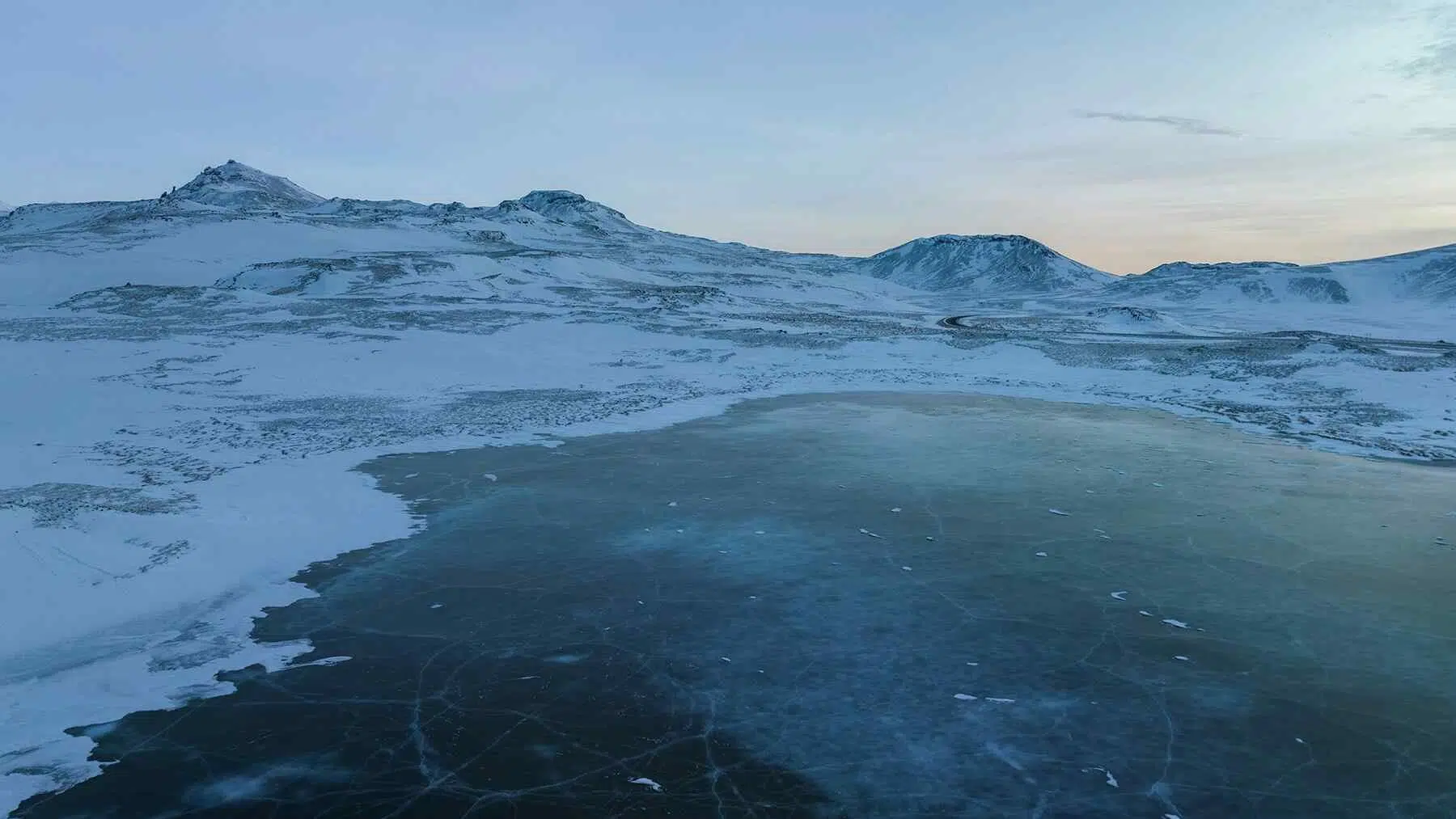
Greenland is a land basically made up of one giant ice sheet.
The now infamous nation is uniquely situated on a massive ice sheet that melts and shifts with every passing year. But after decades of research, experts now believe that the ice is slowly melting away. The question is, why has this been taking place over the last few decades?
What is causing Greenland’s ice to lose such a substantial portion every year?
How some parts of the world are changing as the planet heats up
Over the past few decades, as global warming boils the planet, certain regions of the world are changing at a slow and steady pace.
Research has shown that the Arctic is warming almost twice as fast as the global average. This has inevitably led to a dramatic reduction in summer sea ice. It causes what is known as a “positive feedback loop,” where the darker parts of the ocean absorb more sunlight than normal.
We have also come to understand that globally, ice glaciers and snowpacks are shrinking with every passing year.
Across the western parts of the nation, snow has begun to melt far earlier than in previous years, bringing the impact of climate change to the surface as the world changes around us, and not in a good way either.
Humanity is searching for solutions to avert a global climate disaster
There are many ways that the planet has been reacting to our collective impact on its environment.
Global warming can affect almost every living being on the planet. Recent studies have proven that ocean temperatures play a direct role in changes observed in some whale species.
Thankfully, we as a society have developed several measures to address climate change.
The global energy sector is one of the worst contributors to global warming, and as such, needs to play a key role in reducing carbon emissions. Decarbonization is the tried and tested method to reduce harmful CO2 emissions from the international energy market.
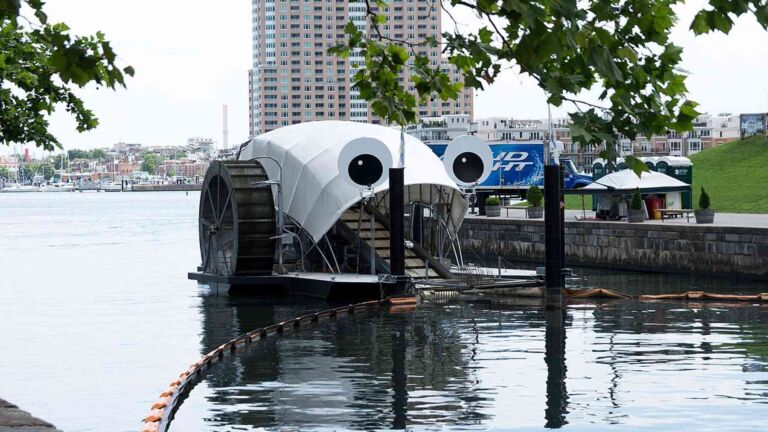
Pollution of our waterways has also been an issue for the world to find solutions for.
A massive South African dam that can be seen from space has been turning a shade of emerald green in recent years. This remarkable change in color has been directly attributed to pollution.
A study, “Record-breaking Greenland ice sheet melt events under recent and future climate,” published in Nature, has detailed how Greenland is losing huge portions of its land mass in recent years.
The colder regions of the world are changing at an unexpected and rapid pace
Greenland is a nation that has been gaining remarkable attention from the international community in recent months.
Aside from the geopolitical issues between them and this nation’s Presidential administration, a serious threat has been identified in the country. The colder, more icy parts of the world are unique ecosystems that regularly produce unexpected developments.
Such as the recent discovery that odd pink rocks are emerging from the ground in Antarctica.
Greenland is literally melting away with every passing year

The aforementioned study has found that between 1985 and 2022, the massive ice sheet in Greenland has lost approximately 1930 square miles of area, which is more than double the size of Manhattan.
How did the researchers make this astonishing discovery?
The study used a circulation analog framework, regional climate modeling, as well as remote sensing, to determine that thermodynamics from rising temperatures in the region are driving the record-breaking melt.
Similar discoveries made in California have seen the state’s snowpack melting far earlier than normal, proving that climate change is affecting every part of the world, from Greenland in Europe to right here in the US of A.
Read the whole thing?
Get the week's signal, not the noise
Our sharpest reporting on energy, climate and nature — free, once a week.