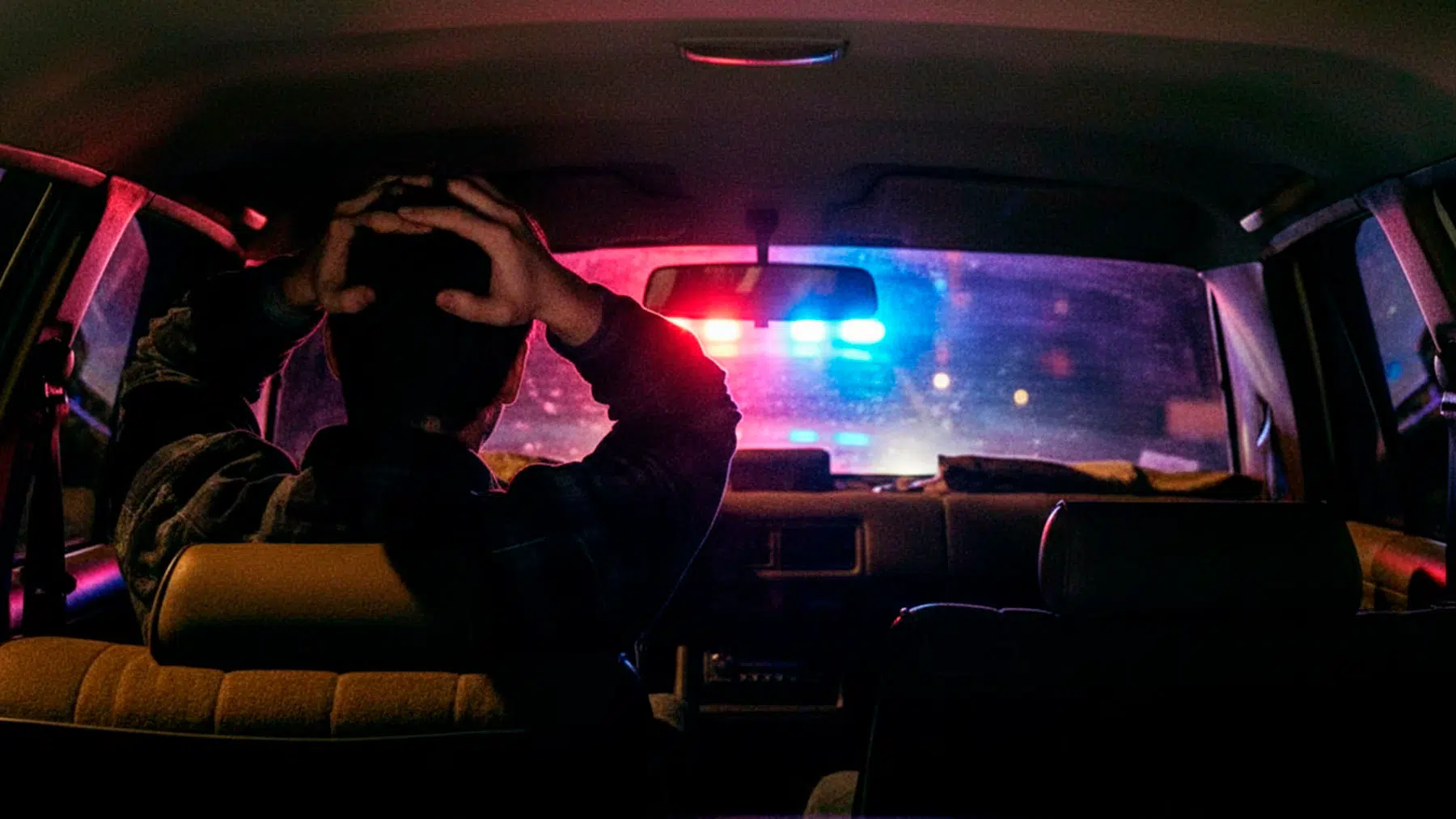
You might think adjusting something in your car for a second isn’t a big deal, but in some states, touching the wrong device while driving could now cost you up to $500.
Lawmakers across the United States are tightening distracted driving rules — and enforcement is no longer just about texting. What counts as “use” has expanded.
And what you assume is harmless could fall squarely into a violation. Before you reach for that screen again, it’s worth knowing exactly what officers are now allowed to ticket you for.
Keeping the roads safe with new legislation
Driving laws don’t stay frozen in time. Every year, states tweak them. Add new penalties. Adjust point systems. Close loopholes. Most of those changes happen at the state level, not nationwide. So what’s legal in one place might cost you in another.
That’s why it pays to stay updated. Because “I didn’t know” won’t stop a ticket—or a suspension. And if you drive in New York, this one matters.
At the start of the year, New York rolled out a revamped point system. The threshold for suspension changed. Now, if you rack up 10 points within 24 months, you could lose your license.
Before, it was 11 points in 18 months. That might sound like a small adjustment. It’s not. Neither is this road test that takes drivers off the roads
On top of that, some violations that used to carry no points now count against you. Others come with heavier penalties than before. So behaviors you may have brushed off in the past? They could now push you closer to suspension. And that shift is catching more drivers off guard than you’d think.
Don’t touch this part of your car in this state
Other pieces of legislation to go into effect this year across states include new “hands-free” laws, whereby you may not be caught behind the wheel while holding your cellphone, even for navigation purposes.
This is because, as described by the Governors Highway Safety Association (GHSA), cellphone use while driving severely impacts your ability to react to the road:
“Phone use while driving…is one of the most common distractions,” describes the GHSA on its website. “When a person reads a text while driving, his or her eyes are off the road for an average of five seconds. At 55 miles per hour, that is like driving the length of an entire football field while blindfolded.”
Last year, Louisiana became the 32nd state in the country to introduce hands-free driving laws. Under the new law, drivers may not even hold their cellphones if they are the ones behind the steering wheel. If you wish to answer a call or use navigation assistance, the phone must be mounted to your dashboard.
If caught not abiding by this, drivers will face an instant $100 fine and subsequent offences reaching as high as $500.
No more cellphone use behind the wheel
At this point, hands-free laws aren’t a small policy tweak. More than half of U.S. states have now banned holding a cellphone while driving. Not texting. Not scrolling. Not even gripping it in your hand at a red light in many cases.
The message is clear: distraction equals danger or even fines like $1,000 for doing this. But here’s where it gets personal.
You’ve probably done it. A quick reply at a stoplight. A glance at a notification. Maybe even holding the phone for navigation instead of mounting it properly. It feels harmless.
Until you realize how little margin for error there is on the road. When both hands aren’t on the wheel and your eyes aren’t fully focused ahead, your reaction time drops. Not by seconds — by fractions of a second. And sometimes that’s all it takes.
And now, beyond the safety risk, there’s a legal one.
It’s about whether that quick text is worth the financial penalty — or something far worse. Because once the law shifts from “advice” to enforcement, the consequences stop being hypothetical.
And that’s when drivers really have to decide what matters more. And before driving, it might be a good idea to check the license plate to avoid a fine for this.
Disclaimer: Our coverage of events affecting companies is purely informative and descriptive. Under no circumstances does it seek to promote an opinion or create a trend, nor can it be taken as investment advice or a recommendation of any kind.
Read the whole thing?
Get the week's signal, not the noise
Our sharpest reporting on energy, climate and nature — free, once a week.