

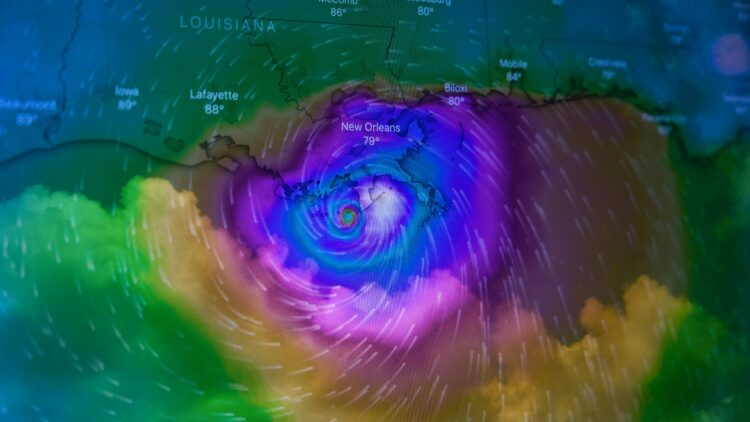
The 2025 Atlantic hurricane season didn’t break records on paper. Thirteen named storms placed it well within historical norms. But storm counts don’t measure grief — and for the communities in Hurricane Melissa’s path, last season left wounds that statistics can’t fully capture.
Now, with the 2026 season underway, coastal families are asking the same question they ask every June: will this year be different?
A season defined by one storm
The 2025 Atlantic hurricane season produced 13 named storms and five hurricanes — numbers that fit comfortably within historical norms. Four of those five hurricanes reached major status, though, and one reshaped the conversation entirely.
Hurricane Melissa made landfall in Jamaica in October 2025 as one of the strongest hurricanes ever recorded. The storm killed 95 people and caused over $12 billion in damage in Jamaica alone. When the full season’s toll was counted, 125 people had lost their lives and damages reached $12.7 billion.
That single storm is why NOAA keeps returning to the same core message: the number of named storms on a season’s final tally tells you almost nothing about the suffering those storms leave behind. A season doesn’t need to be historically active to be historically painful. It only takes one.

What NOAA is forecasting for 2026
NOAA’s outlook for the 2026 Atlantic hurricane season points toward a quieter stretch than average. The agency puts a 55% probability on a below-normal season, with an overall confidence level of 70% in its forecast range.
That range calls for 8 to 14 named storms, with 3 to 6 reaching hurricane strength and 1 to 3 becoming major hurricanes — Category 3 or higher. A typical Atlantic season averages 14 named storms, seven hurricanes, and three major hurricanes.
The upper end of NOAA’s forecast still touches average territory, meaning a season landing near 14 named storms wouldn’t feel particularly quiet to anyone directly in a storm’s path. The forecast also addresses overall seasonal activity, not where or when specific storms might make landfall — a distinction that matters enormously. A below-normal season can still send a dangerous storm straight toward a populated coastline.
El Niño: the key driver behind the quieter outlook
The primary reason forecasters expect a calmer 2026 season is the anticipated development of El Niño conditions in the tropical Pacific Ocean. Scientists expect El Niño to develop and strengthen throughout the season, and historically, that pattern has suppressed Atlantic hurricane activity.
The mechanism is well understood. El Niño increases wind shear across the Atlantic basin — the change in wind speed and direction with altitude that disrupts the organized structure hurricanes need to form and intensify.
Even so, El Niño is not a guarantee of a quiet season. Significant uncertainty remains about how strongly the pattern will develop and how consistently it will hold throughout the June-to-November window. Short-term weather variability operates on its own timeline, capable of producing dangerous storms even when large-scale climate patterns are working against hurricane development.
New tools NOAA is deploying to track storms
Whatever the season brings, NOAA says it is better equipped than ever to monitor and forecast it. For 2026, the agency is integrating AI-based weather models, drones, and next-generation satellite data into its operational forecasting.
NOAA Administrator Neil Jacobs described the combination of advanced technology and experienced forecaster judgment as the agency’s central strength. The goal is accurate, actionable forecasts — ones that give communities and emergency managers enough lead time to respond effectively. That accuracy matters most given how rapidly modern hurricanes can intensify. Storms in recent seasons have gone from tropical storm strength to major hurricane status in hours, compressing the window for preparation and evacuation. Better warnings save lives.
Why preparedness still matters in a ‘quiet’ year
NOAA’s NWS Director Ken Graham was direct about the limits of any seasonal forecast. Uncertainty is built into every outlook, and a below-normal prediction doesn’t mean a safe season for anyone living near the coast.
His guidance was straightforward: review your hurricane preparedness plan now, before any storm develops. Waiting until a storm is named and tracking toward your area compresses your options and raises your risk considerably. Working through evacuation routes, emergency supplies, and family communication plans belongs to the quiet weeks of early summer — not the 48 hours before landfall.
NOAA points residents to Weather.gov/safety and Ready.gov as starting points for household and community preparedness. Both offer practical, step-by-step guidance that applies regardless of how active a given season turns out to be.
Looking ahead
The 2026 hurricane season runs through November 30. El Niño’s strength and persistence over the coming months will be one of the most closely watched variables, and forecasters will continue updating their assessments as new data arrives.
What won’t change is the underlying reality that any single storm can define a season. Communities that recover fastest from hurricanes are almost always the ones that prepared before the storm had a name. A quieter forecast isn’t a reason to stand down — it’s a window of time to get ready.