India has been building a huge water battery that can shoot water uphill.
But how can a nation even start to construct something that can shoot water 1,400 feet into the air? How exactly has the Indian government built a massive “water battery” that shoots water uphill to power millions of homes in the nation with no need to rely on other forms of energy generation?
How can water defy the very laws of gravity and move uphill?
How powering one nation has become such a tricky issue
India has one of the largest populations in the world.
And in order to provide power and water for all these people, the government has built something truly unique. How exactly they were able to construct such a mind-bending innovation like a “water battery” has left us in shock and awe.
The backbone of the Indian energy sector is without a doubt the coal sector, accounting for roughly 48.5% of installed capacity.
However, the government has patted itself on the back recently as renewables have reached the nation’s target of supplying 50% of the energy needed for everyday life. And they did so five years ahead of schedule.
Surely this water battery system that shoots water uphill played a part in this regard?
The options available for India’s energy-generating future are plentiful
With the war in Iran devastating the price we pay at the pumps for gasoline, the green energy transition has become more important than ever.
In recent years, the dark side of the fossil fuel industry has become as clear as day. We know that oil refineries spew vast amounts of toxic steam into the air and that this can no longer be our main energy resource, but what other options do we have?
India is leading the world in creating new potential for energy production with its new water battery system.
A Dutch energy startup that has been experimenting with powdered iron that could eventually be converted into a fuel that will power the world of tomorrow. But this pales in comparison to the development in India.
The Indian government had a policy established that saw some people who qualified receive free energy from the state.
But recent policy changes have effectively brought this program to a standstill. The question then becomes, how exactly has India created this water battery to address power and water issues? How can water defy gravity in such an amazing way?
The Shankar IAS Parliament has recently detailed a few answers as to how this remarkable energy solution was developed in India.
How India has developed this new “water battery” to power millions of homes
India has many dams and water storage systems that provide the local populace with not only water, but energy as well.
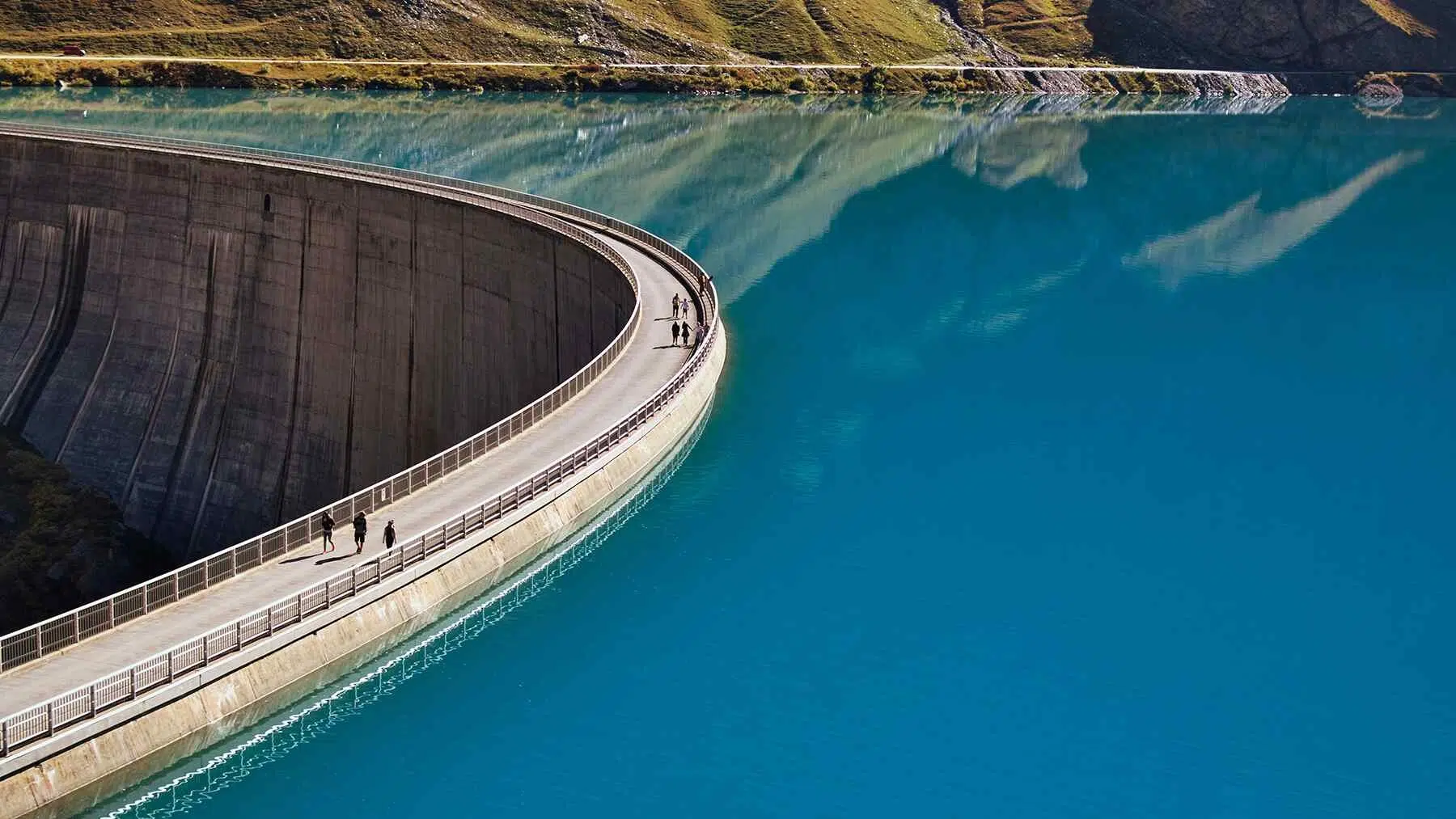
Hydroelectric technology allows for water to be converted into energy, and India has several hydroelectric dams at their disposal. The Sharavathi Pumped Storage Hydroelectric Project is truly a marvel of modern engineering.
Located in the Sharavathi Valley Wildlife Sanctuary, it is surrounded by vast regions of protected land and wildlife.
With India’s population only set to grow year by year, the Sharavathi hydroelectric project has become a major focal point in the government’s ambition to reach more than half of the energy produced coming from the renewable energy sector.
How exactly does this system work, you ask?
The system acts as a “water battery” by using the surplus electricity generated from the national grid to pump water from the lower Gerusoppa dam to the upper Talakalale dam, which then stores the energy for a rainy day.
The 2,000 MW system pumps the surplus water between the two massive reservoirs, creating what is known as a 1,400-foot vertical head.
During periods of low energy demand, the system pumps the water uphill, creating a water battery that can store energy for when it is most needed. So while the world is busy working on new energy generation technology, India has scaled the world’s first large-capacity “water battery” to store energy.
Read the whole thing?
Get the week's signal, not the noise
Our sharpest reporting on energy, climate and nature — free, once a week.