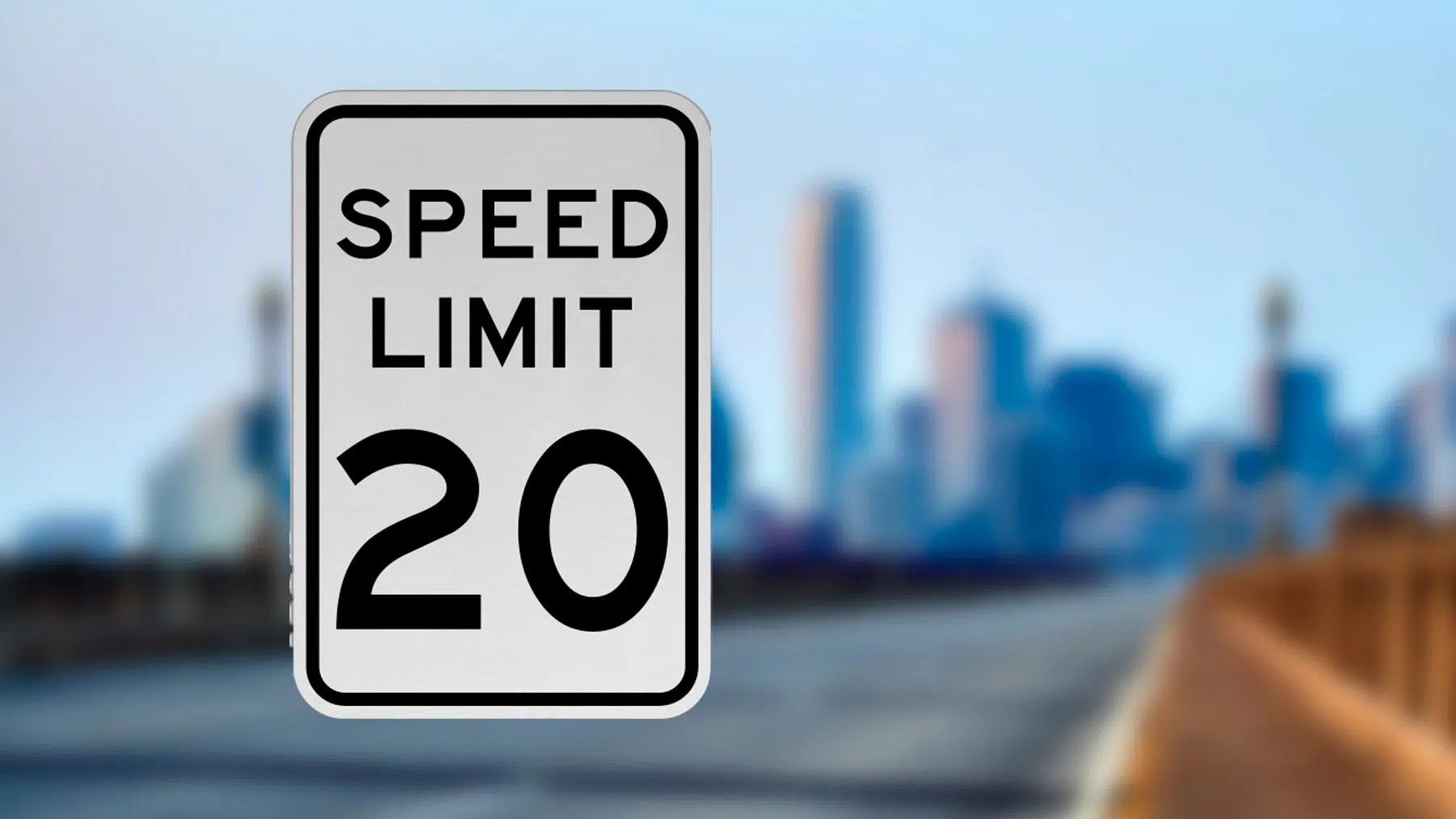
Roads have long been designed with performance and speed in mind. Wide lanes, long stretches without crosswalks, and generous speed limits have all prioritized getting drivers to their destinations quickly. However, as cities grew denser and traffic fatalities climbed, those same design choices began to be the reason why accidents happen. Safety advocates argue that even small reductions in speed can mean the difference between life and death in a crash. Now, a new bill is coming into effect soon to prevent accidents.
The state introduced a new bill to prevent accidents: Time to go slower
Now, that debate is reaching a tipping point. With pedestrian deaths hitting record highs in recent years, cities are under mounting pressure to act. Lowering speed limits on roads has emerged as one of the simplest, most immediate tools available—though not without pushback from drivers worried about congestion and enforcement. The tension between safety and convenience is shaping how local leaders respond.
Several cities have decided to draw a line. Beginning September 1, new limits will take effect on busy urban streets, cutting maximum speeds to 20 miles per hour. Officials see the move as a necessary shift toward safer roads, while critics question how it will play out in daily commutes. Either way, the rollout marks a new chapter in the battle over whom—and what—roads are really built for.
Texas is changing its laws: Check the affected cities
Texas is changing the rules on how cities can set speed limits. A new bill – the Texas Senate Bill 2725 – lets municipalities, including Houston, drop limits as low as 20 miles per hour on two-lane roads that aren’t part of the state highway system—the old floor was 25. This means a big difference for drivers moving forward.
The law also makes things simpler for residential neighborhoods. Cities no longer need to run lengthy engineering or traffic studies just to lower speeds in these areas. Signage rules are being relaxed too: instead of posting a sign on every block, municipalities will only need to mark the entrances to a district, but the lack of signaling is another big factor in accidents, as well as distracted driving – a major reason why states are banning screens on cars.
There’s still accountability. Any city that lowers limits has to publish a yearly report comparing speeding citations, warnings, and collisions tied to speed violations. This means more work for state officers. On the other hand, the changes give local governments more leeway to figure out what’s safest for their communities, especially in neighborhoods where traffic and pedestrians mix. The new rules will kick in on September 1, 2025.
States have been increasing their speed limit: 85mph is the maximum
Across the country, 18 states let drivers push their speedometers to 75 mph or more, mostly on wide-open rural highways. Among them are Arizona, Arkansas, Colorado, Kansas, Louisiana, Maine, Michigan, Nebraska, New Mexico, and North Dakota. Eight others go even further. Idaho, Montana, Nevada, Oklahoma, South Dakota, Texas, Utah, and Wyoming all allow maximum limits of 80 mph.
Texas technically permits 85 mph where roads are built for it, though no stretch currently carries that sign. While some states race toward higher limits, another push is happening in the opposite direction — with proposals for new caps at just 50 mph.
Lower roads’ speed can still hurt: Is 20mph enough?
Research has long shown that small reductions in vehicle speed can make a huge difference for pedestrians. At 20 mph, someone hit by a car has about a 90% chance of surviving. Going just a few miles faster—23 mph—and that drops to 75%. At 31 mph, it’s only a 50/50 shot. Once speeds hit 40 mph or more, survival becomes unlikely. Some states have enforced harsher consequences for those who dare to speed in school areas.
Read the whole thing?
Get the week's signal, not the noise
Our sharpest reporting on energy, climate and nature — free, once a week.