
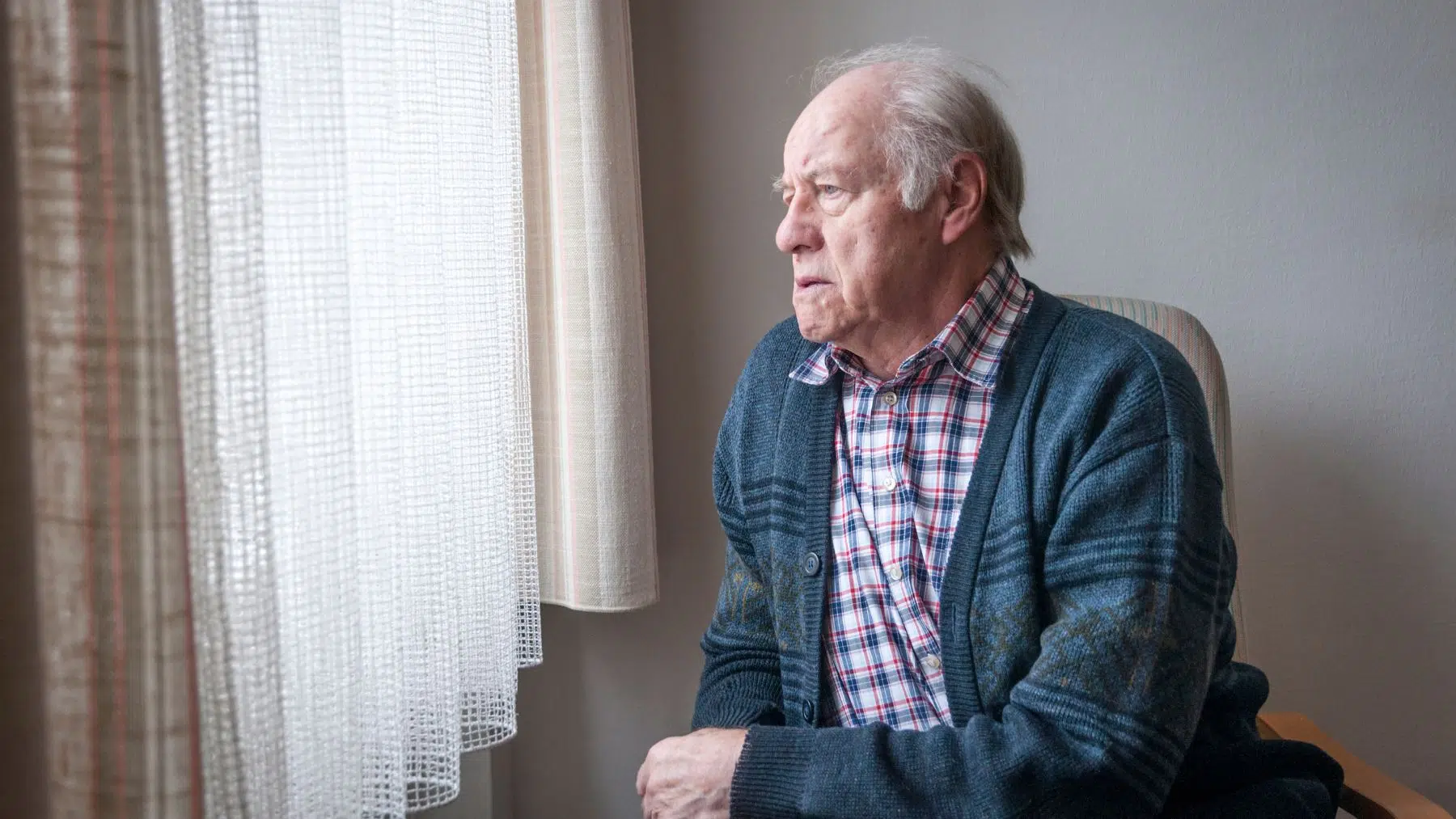
For a long time, people believed that protecting the brain in later life was mostly about physical health. Eat well, stay active, maybe do a few puzzles or memory exercises. And while those things matter, research is starting to point to something else that may be just as important—if not more.
Social connection.
Not just having people around, but actively engaging with them. Conversations, shared experiences, even small daily interactions. Because when those disappear, the effect on the brain can be deeper than most people expect.
What happens when social interaction decreases
As people get older, their social circles often become smaller. Friends move away, routines change, and daily interactions naturally decrease. At first, this shift can feel normal, even comfortable.
But over time, something begins to change.
Studies show that reduced social interaction is linked to declines in memory, attention, and processing speed. The brain, like any other system, responds to how often it is used. And without regular engagement, certain functions begin to slow down.
This doesn’t happen overnight. It’s gradual, almost unnoticeable at first.
Why the brain depends on interaction
Social interaction is one of the most complex activities the brain performs. It requires language, emotional awareness, memory, and quick thinking—all at once.
Even a simple conversation involves multiple cognitive processes working together. Understanding tone, recalling information, responding appropriately, and adapting in real time all stimulate different parts of the brain.
This is why interaction is so powerful. It’s not just mental activity—it’s multi-layered stimulation that keeps the brain flexible and responsive.
The difference between being alone and being isolated
One important distinction researchers highlight is the difference between solitude and isolation. Being alone is not necessarily harmful. In fact, many people enjoy it and benefit from it.
Isolation, however, is different.
It’s not just about being physically alone, but about lacking meaningful connection. And that’s where the impact on the brain becomes more significant. Without emotional and social input, the brain receives less stimulation, which can affect both cognitive and emotional health.
What this is really about
This is where the conversation shifts from habits to something deeper. Social interaction is not just a lifestyle choice—it’s part of how the brain stays active and engaged.
People often focus on individual activities to “train” the brain. But real-life interaction combines multiple elements at once: unpredictability, emotion, communication, and adaptation.
That combination is difficult to replicate in isolation.
Why it becomes harder over time
Another challenge is that the less people interact, the harder it can feel to start again. Social habits, like any habits, can weaken over time. Conversations may feel more effortful, and the motivation to reach out may decrease.
This creates a cycle.
Less interaction leads to less engagement, which makes interaction feel less natural, which then leads to even less of it. Breaking that cycle often requires small, intentional steps.
What makes the biggest difference
The good news is that the brain responds quickly to renewed stimulation. Even small increases in social activity can make a difference over time.
This doesn’t require large social circles or constant activity. It can be simple things:
- regular conversations
- shared routines
- meaningful interactions, even if they are brief
What matters most is consistency and engagement.
The takeaway most people overlook
Many people think of brain health as something individual—something you maintain on your own through discipline and routine. But research suggests something different.
The brain is not only shaped by what you do alone, but also by how you connect with others.
Staying socially active is not just about avoiding loneliness. It may be one of the most natural ways to keep the brain engaged, adaptable, and functioning well over time.
And the part most people don’t expect is this:
It’s not about doing more.
It’s about staying connected.
Read the whole thing?
Get the week's signal, not the noise
Our sharpest reporting on energy, climate and nature — free, once a week.


