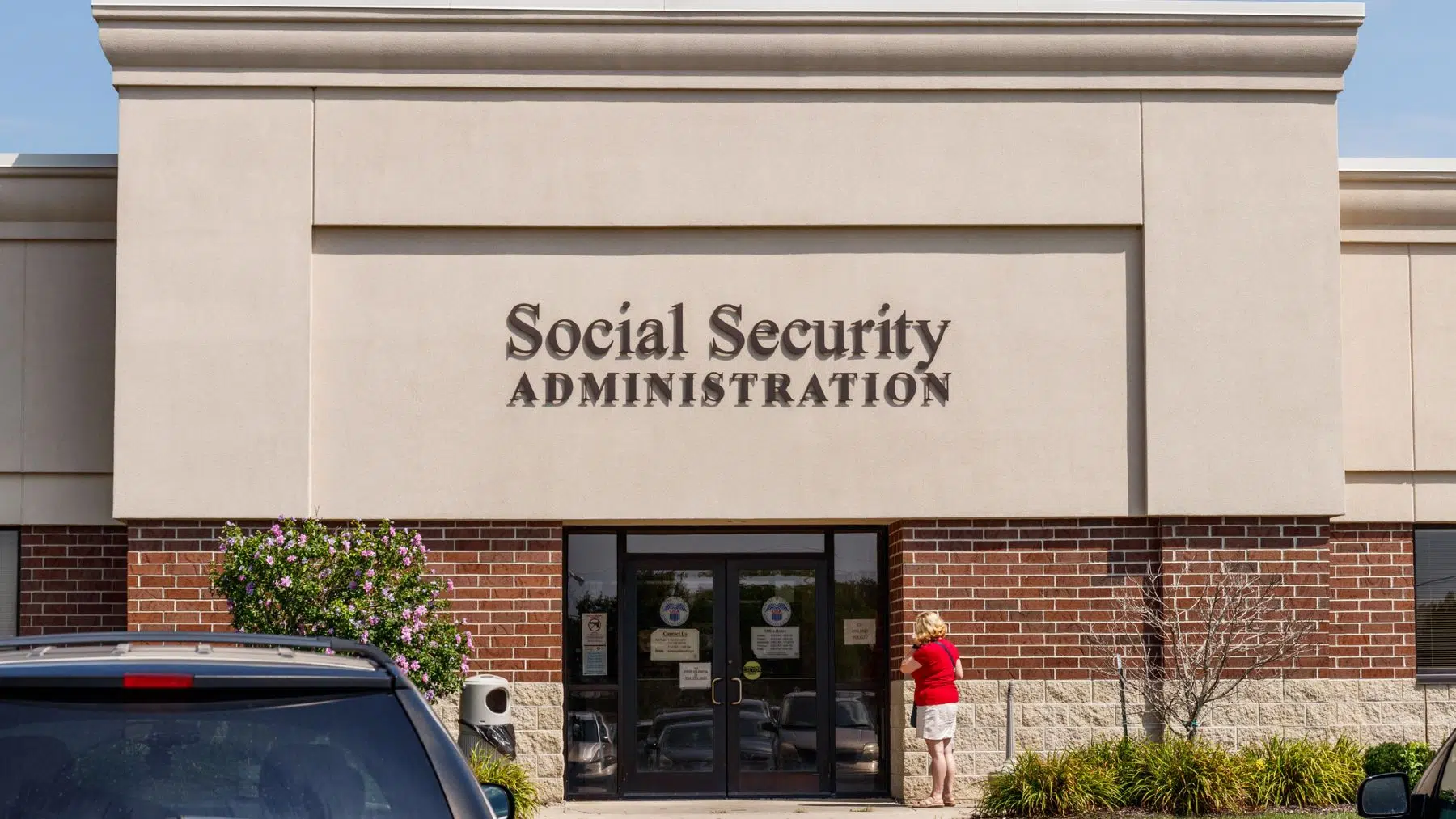
The Social Security Administration (SSA) in the United States, responsible for overseeing Social Security programs for millions of Americans, is introducing several updates in 2025 that beneficiaries should note. Among these changes is the revised Full Retirement Age (FRA), marking the point at which individuals can receive their full retirement benefits based on their lifetime earnings. Additional updates include adjustments to the Cost-of-Living Adjustment (COLA), a rise in maximum taxable earnings, and the expansion of appointment-based services across all Social Security offices.
The Social Security Administration is implementing a new Full Retirement Age
The Full Retirement Age (FRA) had been 65 for decades, but this changed following a law passed by Congress way back in 1983 to gradually raise the number to match the growing expected lifespan, as reported via the Social Security Administration’s official channels.
The FRA has been creeping up steadily in recent years by two months for each subsequent year of birth. For instance, if you were born in 1958, you would reach FRA at age 66 years and eight months. However, if you were born in the following year, the retirement age is two months higher at 66 years and 10 months. Recipients born between May 2, 1958, and February 28, 1959, will all reach full retirement age in 2025. For those born in 1960 and after, the age of retirement is 67 years.
What are the expected benefits amounts if recipients don’t wait for FRA?
The Social Security Administration allows workers to retire early at age 62, but then they forfeit their full benefits amounts and will receive a reduced amount for the rest of their lives than if they had waited for the Full Retirement Age. The information in the table below illustrates the birth year, the Full Retirement Age, and the expected benefits on an illustrative figure of $1,000 retirement benefits if they are claimed before the FRA, according to the SSA:
| Birth year | FRA (Full retirement age) | Benefits on $1,000 Benefit (if taken at 62) |
| 1943 to 1954 | 66 | $750 |
| 1955 | 66 and 2 months | $741 |
| 1956 | 66 and 4 months | $733 |
| 1957 | 66 and 6 months | $725 |
| 1958 | 66 and 8 months | $716 |
| 1959 | 66 and 10 months | $708 |
| 1960 and after | 67 | $700 |
Workers who are able to wait until the age of 70 to start taking benefits are rewarded with a higher benefit amount each month and an increased amount in total over the remaining years of life.
What other Social Security changes are coming in 2025?
There are three more changes being applied to SSA programs and benefits in 2025. These are the Cost-of-Living Adjustment, an increase in taxable earnings, and the way appointments will operate at Social Security offices.
The COLA means an increase in benefits in 2025
All Social Security benefits are going up by 2.5% according to the Cost-of-Living Adjustment (COLA). This is because benefits each year are increased in line with inflation and the rising cost of living, which is the US government’s way of assisting citizens to live safely and comfortably.
The 2.5% increase for 2025 is lower than many people would have expected. The COLAs over the last three years were 3.2% in 2024, 8.7% in 2023, and 5.9% in 2022, with an average of 2.6% over the past 10 years. The average Social Security recipient will see around $50 extra in their accounts every month from January.
The maximum amount of taxable earnings is increasing
For workers, the maximum amount of earnings liable for Social Security tax to be paid is going up. In 2025, the maximum will increase to $176,100, which is an increase from the threshold of $168,600 in 2024. This means that if you pocket more than $176,100 in 2025, you’ll be paying Social Security tax on a larger portion of your income compared to previous years.
Social Security offices will only be seeing people by prior appointment
Anyone who needs to visit a Social Security office in person will now need to make an appointment via one of the SSA’s available channels. No walk-in visits will be entertained, so it’s important for people to be aware that they won’t be wasting their time by dropping in at a Social Security office unannounced.
Federal employees want to know the amount of their salary increases after the COLA for 2025 was finalized at 2.5%. Not everyone is content with 2.5%, and many people feel that the figure isn’t an accurate indication of how much inflation has affected them.
Read the whole thing?
Get the week's signal, not the noise
Our sharpest reporting on energy, climate and nature — free, once a week.