Solar energy has become one of the most celebrated technologies of our time. It’s clean, quiet, and powered by something that feels endless: the sun. Panels now stretch across rooftops, deserts, parking lots, and farmland all over the world. For many people, solar represents progress itself. But behind this clean image, a growing problem is quietly taking shape.
The rapid rise of solar changed everything
Just a few decades ago, solar energy was expensive and rare. That changed quickly. Costs fell, governments introduced incentives, and companies rushed to build new solar projects. In a short time, solar became a central pillar of global energy plans.
The focus was speed and scale. Install more panels, replace fossil fuels, cut emissions. Success was measured in how fast capacity grew. What received far less attention was the full life cycle of those panels. They were expected to last a long time, so questions about what happens afterward were postponed.
When clean energy reaches the end of its life
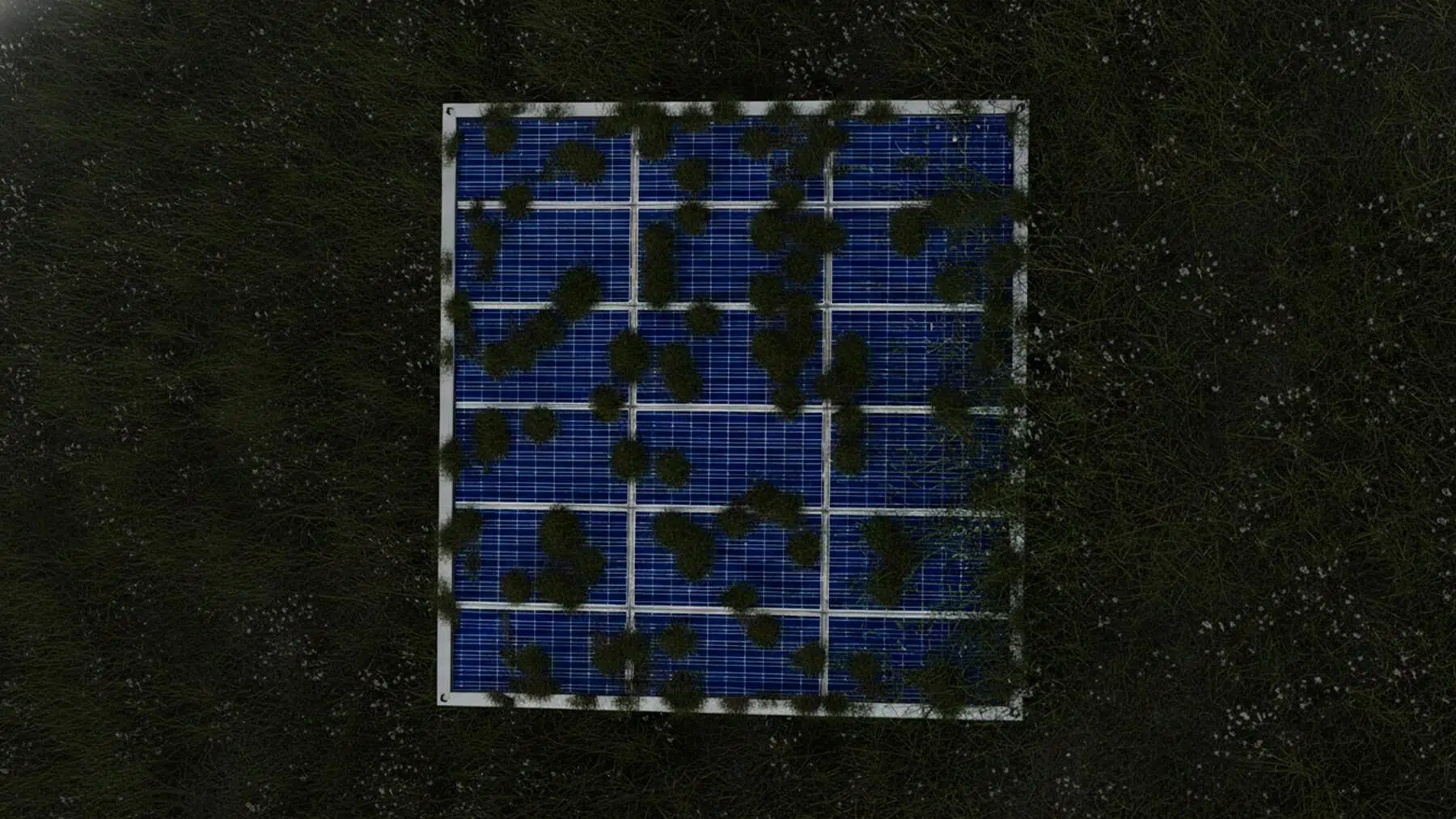
Most solar panels are designed to work for 25 to 30 years. That lifespan once sounded distant and abstract. Now it’s becoming real. The first large solar farms built in the early 2000s are reaching retirement age. As newer, more efficient panels replace them, huge numbers of old panels are being removed at the same time.
Each panel is large, heavy, and made to endure harsh weather. When millions reach the end of their life together, storage, transport, and disposal quickly become major challenges. By 2050, experts estimate global solar panel waste could exceed 250 million tons. That’s not a future problem anymore—it’s approaching fast.
Why solar panels don’t recycle like people expect
Many people assume solar panels recycle easily, like glass bottles or aluminum cans. In reality, panels are built to last decades outdoors. To do that, manufacturers fuse layers of glass, metals, silicon cells, and plastics into one solid unit. This makes panels strong—but extremely difficult to take apart once they degrade.
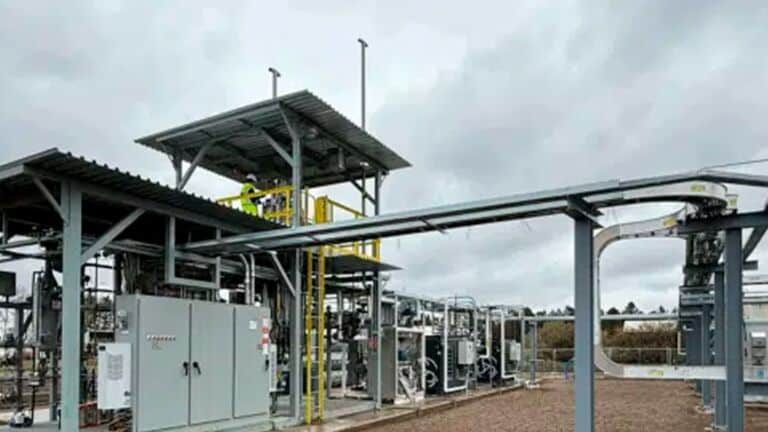
Current recycling methods focus on what’s easiest to recover, not what’s most valuable. Glass and aluminum are removed, while materials like silver, copper, and high-purity silicon are often destroyed or lost. Once panels are crushed, these materials mix together in ways that make recovery uneconomical, even though they required enormous energy to extract in the first place.
A growing materials “black hole”
Researchers describe this situation as a materials black hole, where valuable resources disappear from the supply chain instead of circulating back into use. These materials don’t just vanish—they end up in landfills or low-quality waste streams. To replace them, new mines must be opened, creating more environmental damage and emissions.
Many experts argue that recycling alone cannot fix this. The real solution lies in redesigning panels from the start—making them easier to disassemble, repair, and track. Ideas like modular construction, reversible bonding, and digital product passports could help extend panel life and recover valuable materials. Without these changes, solar power risks reducing emissions today while quietly building one of the largest waste challenges of the future.
Read the whole thing?
Get the week's signal, not the noise
Our sharpest reporting on energy, climate and nature — free, once a week.