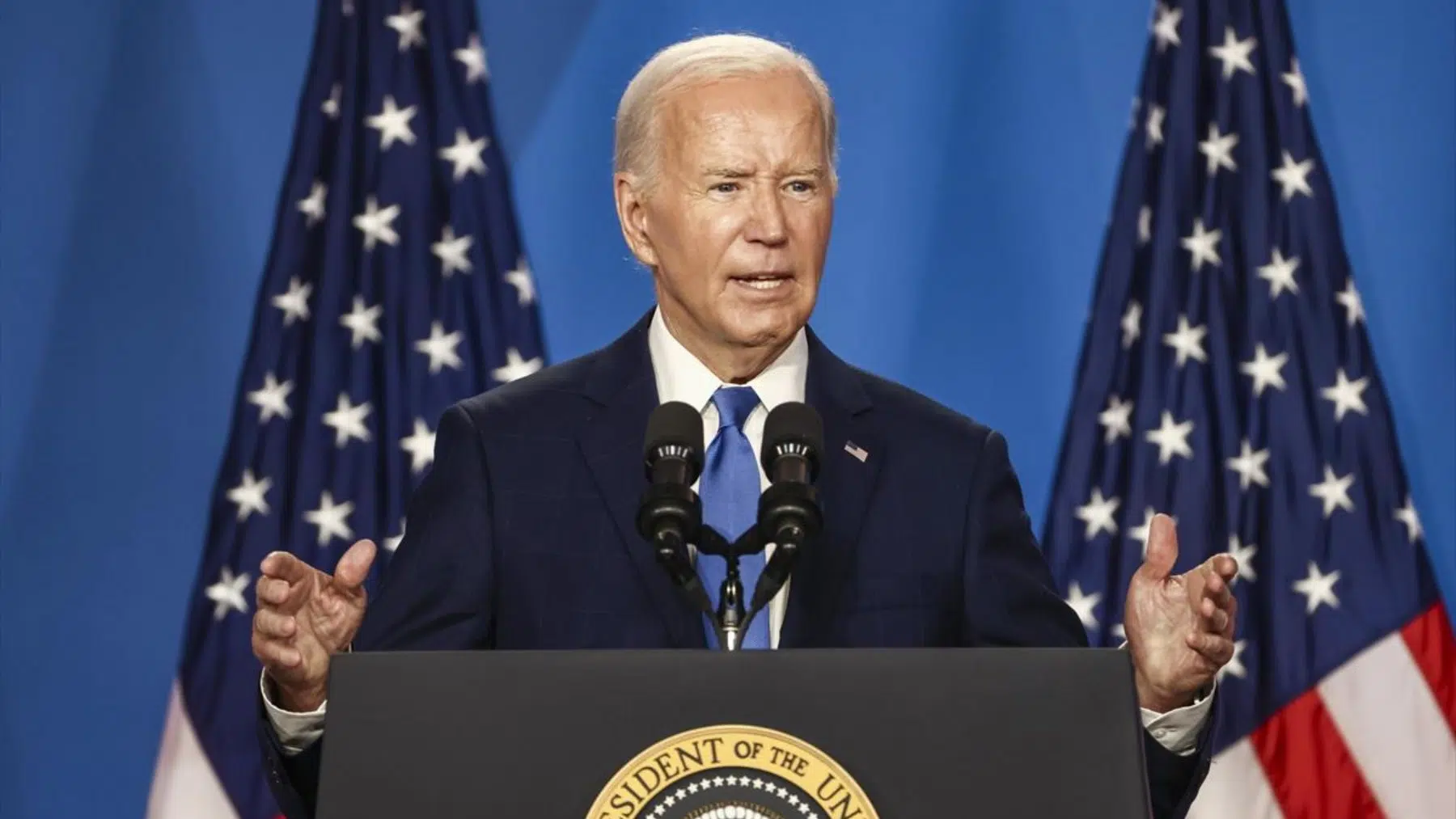
President Joe Biden made 150,000 Americans’ lives a lot easier by canceling their student loan debt. The Democratic Joe Biden-Kamala Harris administration made a point of addressing the crippling debt that many students are living under after borrowing money to fund their education, but this is highly unlikely to be a priority in the future with Donald Trump at the reins of the United States.
Joe Biden and Kamala Harris canceled student loan debt for 150,000 borrowers
On Monday, January 13, 2025, the U.S. Department of Education cleared 150,000 people’s student loan debt. There were three criteria for the borrowers to fall under in order to qualify for the write-offs and they had to fall into one of these categories:
- People who studied at institutions that defrauded their students.
- People with permanent disabilities.
- Public service workers.
What did the Biden-Harris administration accomplish under student debt forgiveness?
This is one of the last of President Joe Biden’s plans to be instituted before the end of his tenure as President of the United States in a few weeks. During his term, Biden changed the lives of around five million citizens by canceling their debt.
The Biden-Harris administration implemented 28 separate student debt forgiveness programs with a total of $183.6 billion in loans and interest written off. The most recent write-offs were valued at $4.2 billion.
The Democrats faced vehement legal opposition from the Republicans over the student debt forgiveness program, but President Biden held fast to the campaign promise he made in 2020. Biden said in a written statement Monday that his administration has “forgiven more student loan debt than any other administration in history.”
Outgoing President Biden emphasized his administration’s achievements:
“My administration has taken historic action to reduce the burden of student debt, hold bad actors accountable, and fight for students across the country.”
What will happen to student loan forgiveness under Donald Trump?
Ex-students who haven’t had their debt forgiven want to know whether debt forgiveness programs will continue under President-elect Donald Trump, and the short answer is, probably not. Trump hasn’t been very forthcoming about his plans, although what he has said, quite disparagingly, is that debt forgiveness is not legal.
The Republicans in general took umbrage to Joe Biden’s stance on writing off debt, saying that when debt is written off for some, the costs end up being covered by taxpayers who never even went to college or who have already paid off their own debt in full.
During Trump’s first term as president, he wanted to do away with the PSLF (Public Service Loan Forgiveness) program, but Congress decided against him.
The Heritage Foundation, which is a non-profit organization that supports conservative values, has a plan called Project 2025 that sets out strategies for policy reform. This includes the following strategies:
- Ending the PSLF: The foundation wants the program to be discontinued completely, saying that it unfairly favors certain professions, like government or non-profit workers, over others. They also view canceling the program as a reduction in government spending while promoting neutrality in debt forgiveness policies.
- Stricter repayment rules: One of the Project 2025 strategies is implementing stricter repayment schedules for borrowers. This includes implementing less lenient repayment plans, increasing monthly payments, and limiting loan forgiveness benefits.
- Adjusting overly attractive repayment plans: The Heritage Foundation wants repayment options simplified but less favorable to borrowers, which it says will discourage over-borrowing and reduce the strain on federal loan programs.
Unfortunately for ex-students who are still struggling to afford their debt, not only does it look like forgiveness programs are going to be canceled, but repayments are going to become even more of a heavy financial burden to carry.
Read the whole thing?
Get the week's signal, not the noise
Our sharpest reporting on energy, climate and nature — free, once a week.