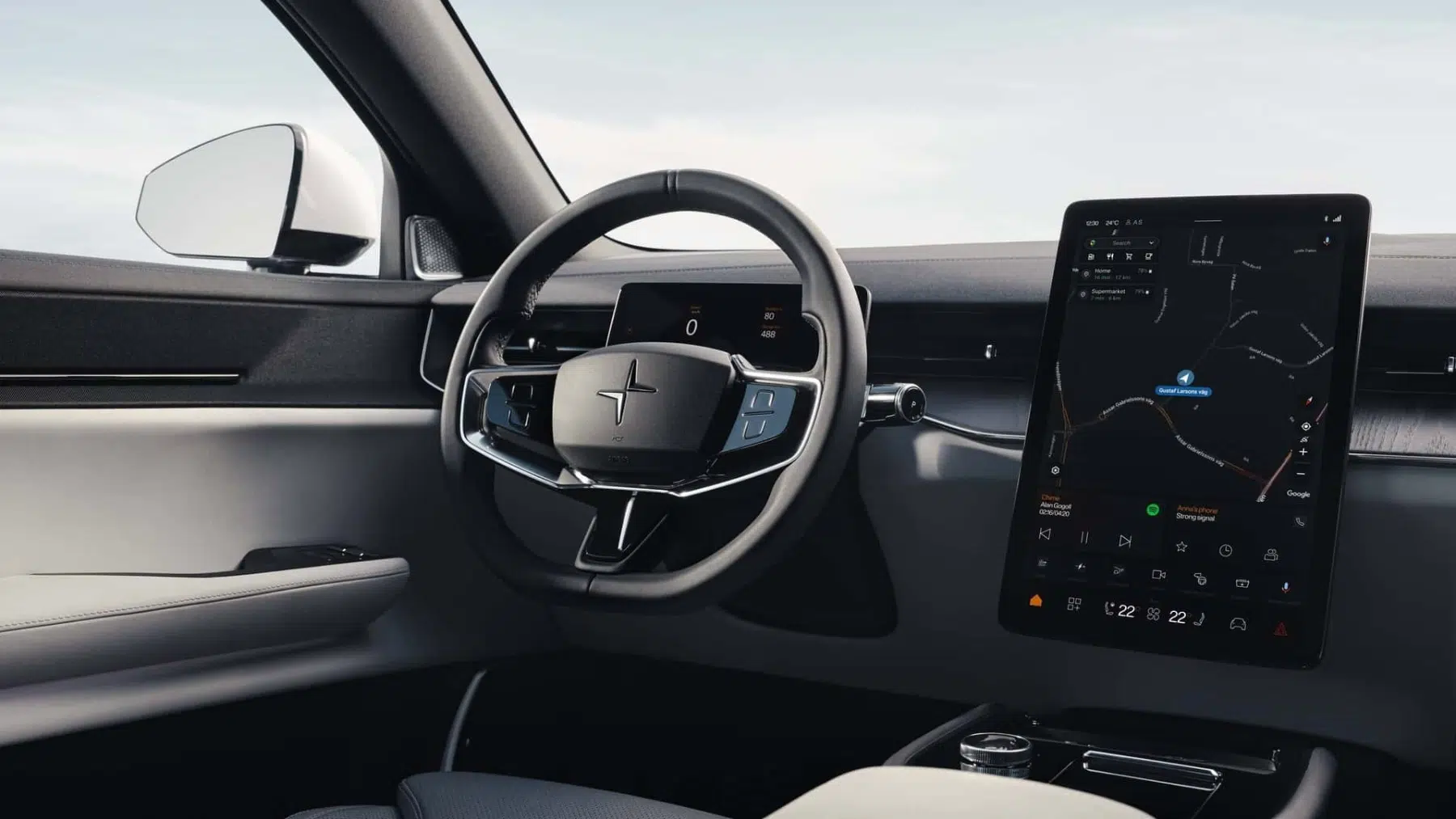
One brand is switching buttons for screens, and it’s coming from an unlikely source.
The automotive industry has become one of the most adaptable sectors in the world and regularly makes changes to reflect public sentiment. Even in the mobility sector, change is inevitable, and this iconic manufacturer is yearning for the old days when things were less complicated.
Does your car have the latest infotainment system that is as seamless as an iPad? Well, not for long.
More screens, fewer buttons. That’s how our cars are changing
For any of us lucky enough to have a screen in our cars, the implication was that we are awash in luxury and modernity.
However, the luxurious screens that used to be an expensive feature have become a regular component in modern cars. Nowadays, however, even the cheap and cheerful wheels that we opt for have some sort of screen in them, allowing for what is supposed to be a seamless control system.
But not everybody seems to think that screens are the be-all and end-all of interior design.
Curiously, as the EV market dwindles, a new truth has emerged as design evolves. The reality on the ground is that most of us prefer the older, more cumbersome buttons that dominated the cars of yesteryear.
As some brands make significant changes, such as Ferrari with its new color, one brand is taking a far more nostalgic approach to interior design.
Do we want the buttons back because they worked better, or is it pure nostalgia?
Many drivers are calling for a return to buttons.
It could be that the good ol’ ways offer us more control, or is this simply nostalgia acting at its very best? The answer may have unforeseen implications, as screens offer a more complex and detailed control system for our cars, allowing you to control nearly every aspect of your vehicle in one simple place.
For most of us, we grew up becoming accustomed to our parents’ car control systems that littered the dashboard with buttons that control specific features.
Some argue that this offers a simpler control system that is not reliant on the car’s brain.
The reality is that car manufacturers have been installing more and more screens in cars, with even the cheapest models offering a screen as a default component. A recent revelation by a TikTok star revealed the importance of understanding button features.
While some huge brands are giving their opinion on electric motorcycles, this brand is rolling back time to bring back the good old days of buttons.
A brand announces a highly anticipated comeback: Buttons are here to stay
Polestar is planning a return to a button-based system in its new models.
The brand’s head of design, Philipp Römers, has recently stated that Polestar is planning to bring back this form of controls to overwhelming calls by customers and the EU implementing new safety standards for Euro NCAP ratings.
Any model hoping for a five-star crash safety rating will need to install knobs and reduce the amount of control that the central screen has.
While the Swedish manufacturer is not doing away with screens entirely, stating that the screen will still feature in its next Polestar 2, 7, and 4 models, it is reducing the control the screen has and instead opting for larger buttons to control certain features.
The reality is that the mobility market needs to adapt to demand from the populace.
As Tesla recently issued a warning over one feature in the Roadstar model, Polestar is turning back time as we enter a new era of nostalgic design. Which do you prefer, buttons or the minimalist screens?
Read the whole thing?
Get the week's signal, not the noise
Our sharpest reporting on energy, climate and nature — free, once a week.