
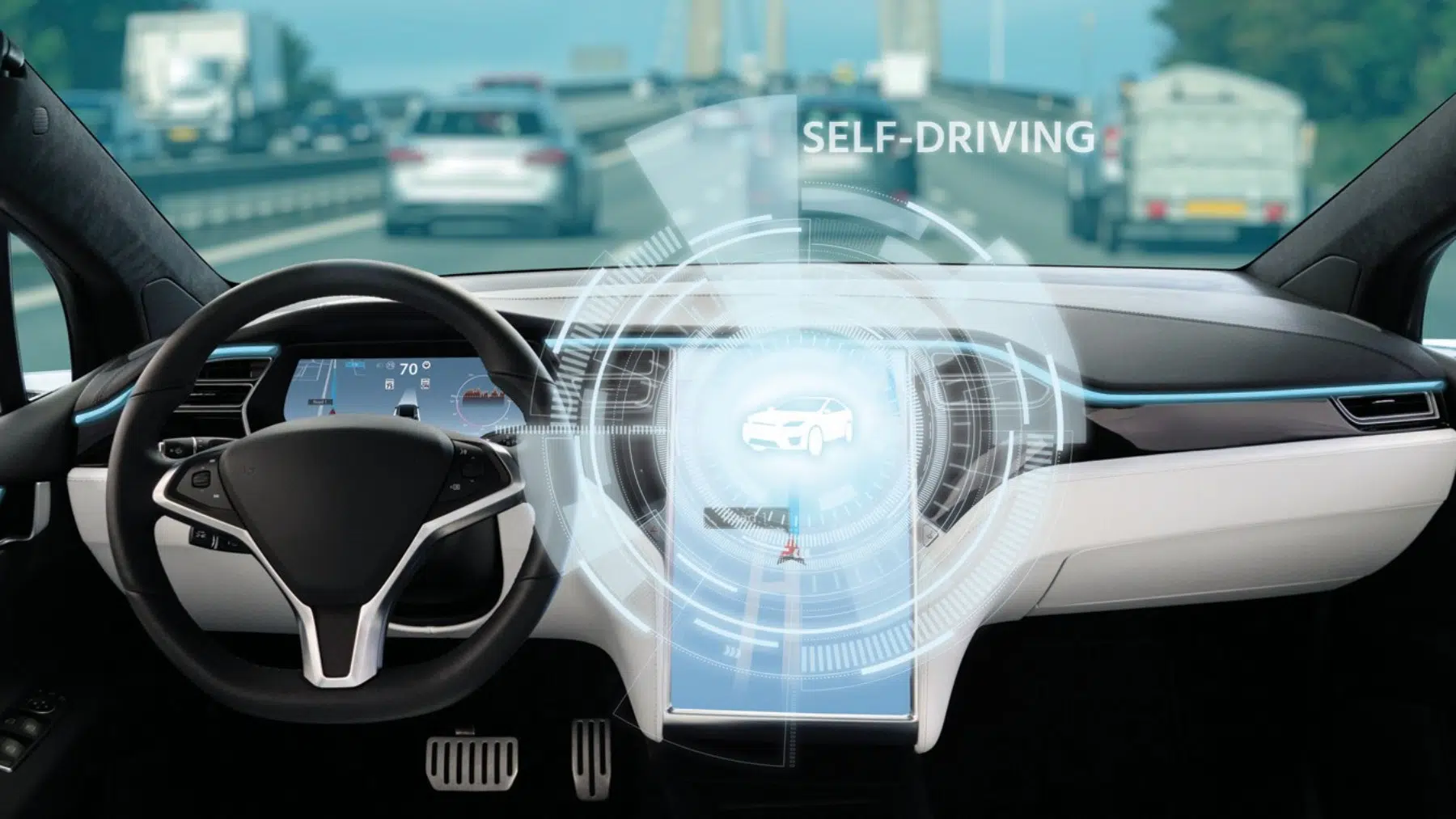
Tesla is not stopping and it has always been at the forefront of autonomous driving technology, which is one of the things that makes the brand stand out because of this self-driving initiative. By early 2025, it hopes to have self-driving cars on European roads, and this has caused some tension and scrutiny from the automotive community, experts, and safety regulators.
At the top of the agenda is the subject of autonomous driving. Regulations are developing at the national, European, and UN levels, creating frameworks for the various levels of automation, while different use cases are presently being explored from a technical standpoint. In recent years, Germany has probably taken the lead in Europe in terms of regulating level 3 and level 4 automation.
Musk and Tesla’s initial plan and intention with this initiative
Elon Musk’s electric car firm, Tesla, intends to deploy its autonomous driving features under a variety of driving conditions and regulatory frameworks, which will be a crucial test of the technology’s dependability and flexibility. The UNECE Regulation on Driver Control Assistance Systems (DCAS) appears to be the foundation of Musk’s aspirations.
First and foremost, the rule facilitates the implementation of advanced driver assistance systems (ADAS), but it is also unquestionably an essential first step towards eventually fully autonomous vehicles. The rule, which went into force in January 2025, lays out strict performance and safety standards for ADAS, guaranteeing that these devices can function safely in a variety of scenarios.
Pinsent Masons state that according to Tesla, it has sought authorisation under this rule to have its newest models—which come with cutting-edge software updates and sophisticated autonomous driving capabilities—approved. By conforming to EU regulations, Tesla hopes to guarantee that its automobiles fulfil the strict safety and environmental criteria, underscoring its dedication to growing its market share in Europe.
Serious safety issues bring up concerns about autonomous driving
Although this initiative looks good and feasible, there are, however, safety issues that have arisen. The technology’s dependability under challenging driving circumstances is the main worry about Tesla’s FSD rollout. European roadways pose particular difficulties, such as congested city streets and erratic interactions between cyclists and pedestrians.
New reports suggest that Tesla’s self-driving software has displayed unpredictable behaviour, including abrupt braking, improper lane changes, and trouble identifying European-specific road signs. However, Elon Musk has publicly denied these safety concerns and expressed that improvements are being made continuously to perfect the vehicles.
The conflict between regulation and innovation
The idea of inventing an autonomous vehicle is not a bad idea; the problem comes when the invention does not meet the required safety standards. Currently, there is a bizarre situation where people read their text messages while driving manually to avoid being yelled at by the computer. Before being approved, autonomous vehicle systems must adhere to stringent safety standards, according to European lawmakers.
Although Tesla exhibits initiative and optimism, the early 2025 date is perhaps too soon. As the marketing of automated capabilities is no longer unregulated, it will be interesting to observe how the automaker and creator of the “autopilot” handle the communication restrictions imposed by the UK AV Act in the future. The Act imposed marketing limits, making it illegal to employ misleading works or communications that could lead to misunderstandings about the legality of automated cars on British roads.
Read the whole thing?
Get the week's signal, not the noise
Our sharpest reporting on energy, climate and nature — free, once a week.


