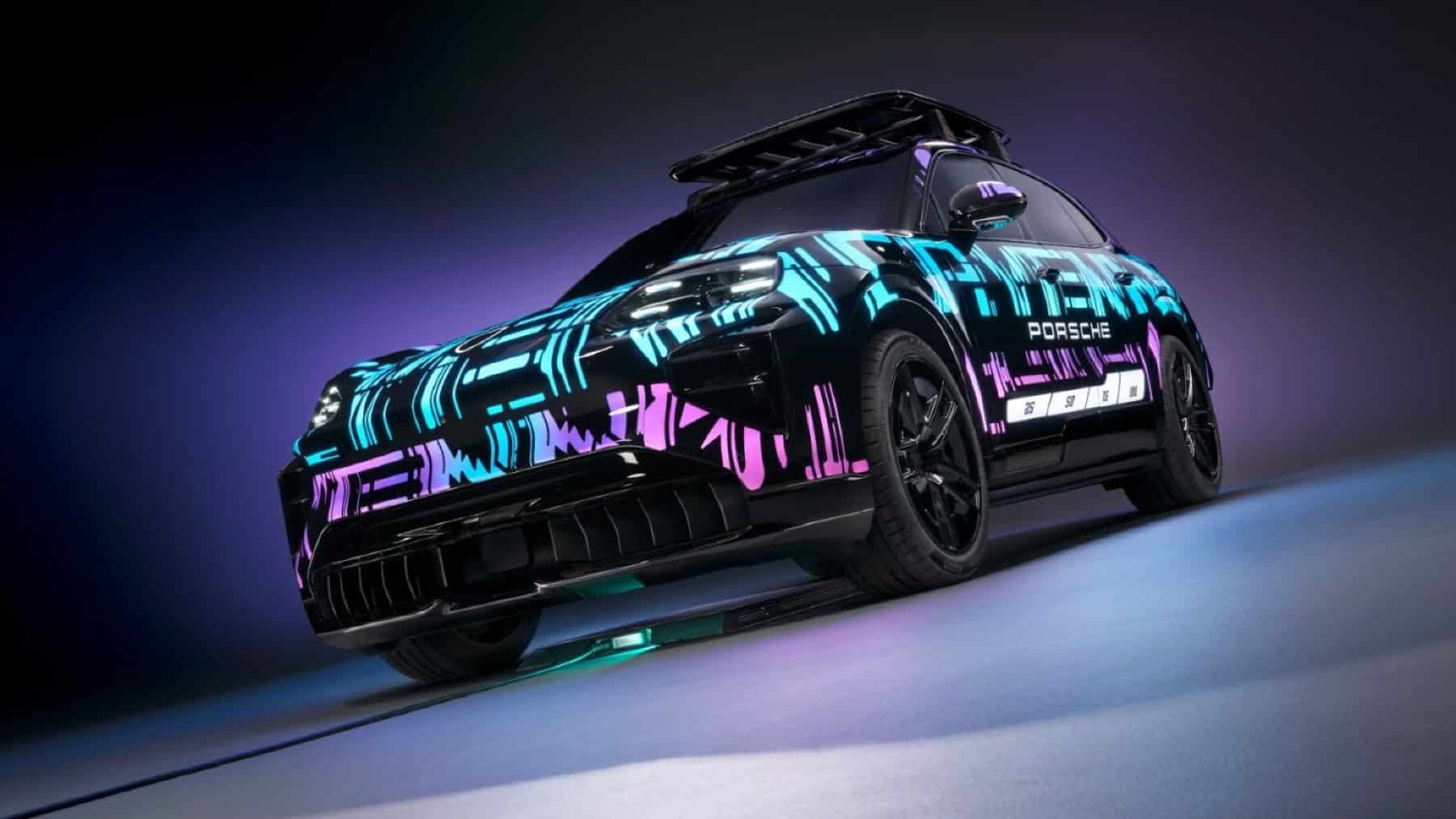
The number of electric luxury SUVs is at an all-time high. Buyers looking to transition from gasoline to electricity are choosing these types of vehicles more than sedans, and there’s a reason: the price difference is not big enough to justify switching to another model. While this appears to be the natural course of the market, the industry would still have to maintain high standards for these type of cars, and Porsche knows exactly what it is doing with the new Cayenne, one of the most iconic street cars from the German brand.
Porsche is pushing into new horizons: The future is coming (fast)
The gasoline version of the car is one of the brand’s favorites. The German automaker was able to combine sports car performance with an SUV’s luxury design and state-of-the-art technology. As the automotive world evolves, the car also gets new versions, and one of the most well-accepted ones is the hybrid model that still blends the visceral noise of the engine with an integrated electric system.
Now, it’s time to once again set the tone in the luxury SUV market. As Porsche is at the forefront of electric luxury vehicles for the wider public, its most famous model in this area is the Taycan. It’s fast, reliable, silent, and you could blend in well when driving the car. Meanwhile, when it comes to Cayenne, it’s different. The car is big, impactful, and delivers a top-tier performance. Now, imagine this with an electric engine—that’s what will happen at the end of the year.
New model launching in 2025: Welcome the Porsche Cayenne EV
Porsche plans to launch the first fully electric Cayenne at the end of the year, built on the same 800-volt SSP platform as the Macan EV. The project moved faster than usual because Porsche relied on digital simulations and AI tools instead of traditional prototypes for the luxury SUV.
According to Deputy Chairman Michael Steiner, this was the company’s first time skipping early prototypes and moving straight from digital testing to pre-series production. That shift cut the need for approximately 120 physical cars that would normally be built and destroyed during testing. The process leaned on virtual reality as well, letting engineers preview parts in detail before they existed and run accurate digital laps of tracks like the Nürburgring Nordschleife (in which Chevrolet recently reached a personal record).
The project will cost less to the brand: Simulations are not quite there yet
Porsche says this approach reduced development time by about 20% while lowering costs and waste. Even so, the brand admits that some things—like charging in extreme heat or cold—can’t be simulated. For those cases, prototypes were still tested in harsh conditions to make sure the Cayenne EV charges quickly in any climate, without the need to precondition its battery.
The electric Cayenne could be the first Porsche to offer a simulated engine sound with fake gear shifts. At one point, Porsche dismissed this idea, saying it made EVs less appealing – and literally doesn’t sound luxury. Now, the brand is changing its course. The system aims to feel convincing enough to mimic combustion, but drivers will still have the option to switch it off and enjoy the silence.
The impact on other models: ICE version is in danger?
The big question is how the luxury electric model will sit next to the ICE Cayenne, which already comes with several hybrid options. Another unknown is whether Porsche’s heavy use of AI and simulations in development might create issues down the road, even if the early results look promising. While the test phase is still ongoing, another projects with new fuel are happening simultaneously (and this could be the future of the automaker).
Disclaimer: Our coverage of events affecting companies is purely informative and descriptive. Under no circumstances does it seek to promote an opinion or create a trend, nor can it be taken as investment advice or a recommendation of any kind.