Rare animal numbers usually change slowly.
A species on the edge usually either recovers over years or declines over years.
At Death Valley, the latest count of one of the world’s rarest fish tells a different story.
Within a single year, the total count just about doubled.
Does this mean the rare species of Devils Hole pupfish is on its way out of the endangered category?
Counting the fish in Devils Hole cavern
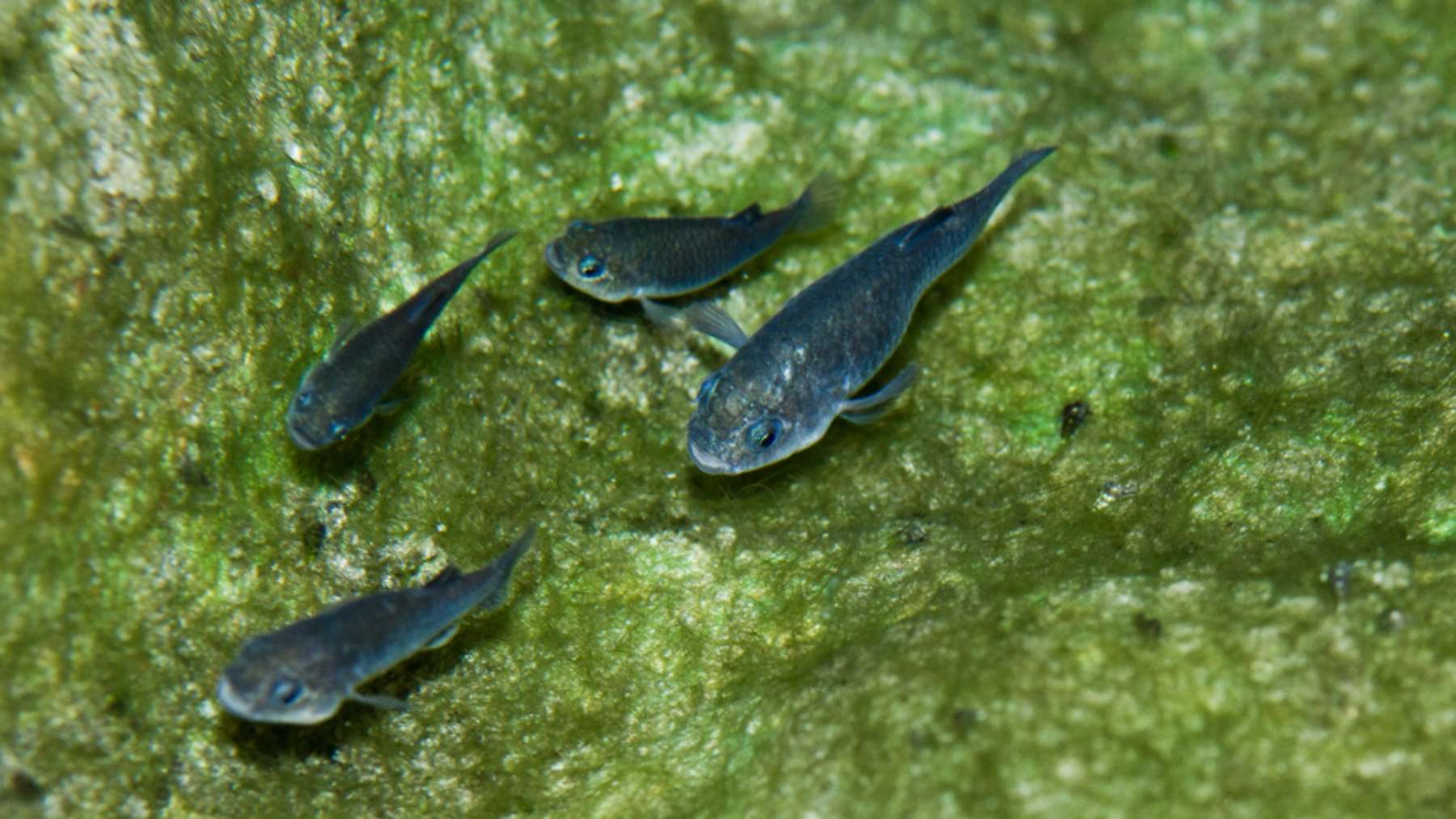
Devils Hole pupfish, an endangered species, live in one place only: Devils Hole. It is a deep, water-filled cavern within Death Valley National Park.
But not just endangered. This species is also called one of the world’s rarest.
In spring of 2026, the National Park Service spotted 77 fish. Later, in October, there were 137 counted. The increase was almost double.
Compared to fall 2025, the Park Service was actually just one fish away from doubling their numbers.
The park announced the figures in early November, calling the rise an encouraging sign for the species.
How the Devils Hole pupfish are counted
Scuba divers and surface counters carried out the survey. They came from the National Park Service and the U.S. Fish and Wildlife Service.
Biologists from these two agencies have monitored the population since 1972.
The counters look for fish in the depths of Devils Hole cavern and also search the shallow limestone shelf where the fish feed and spawn.
The shelf is important to the population because the species is highly vulnerable to disturbances such as earthquakes.
Being in California, this is not uncommon, with Southern California’s most feared fault line prone to acting up.
These earthquakes can send waves through Devils Hole, which can dislodge algae and other food from the shelf.
Two earthquakes in 2025 disrupted their habitat and played a part in their population decline.
A day before the October 2026 survey, another earthquake struck in Panama, around 3,000 miles away.
Despite the quake being quite a distance away, biologists saw signs of stress in the fish after that. However, on a later visit, they found the fish in healthier condition.
While the algae recovered, conservation teams provided supplemental feeding. They used data from the Fish and Wildlife Service’s Ash Meadows Fish Conservation Facility and the park’s monitoring program.
A fish that lives about a year
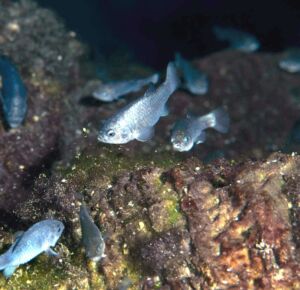
These pupfish do not have a very long lifespan. The average Devils Hole pupfish lives only 10 to 14 months. The two fall surveys are a year apart, which is close to the average lifespan of the fish.
Between March 2025 and February 2026, scientists released 72 captive-raised pupfish into Devils Hole. This effort was meant to support the population’s recovery.
Given that lifespan, biologists believe most of the 137 fish hatched and grew in Devils Hole.
In other words, the count reflects mostly a generation born in the cavern.
Superintendent Mike Reynolds credited the population rise to “the dedication of our scientists and conservation partners.”
He added that challenges remain, but the agencies are committed to the species.
What can this number tell us? The National Park Service notes that Devils Hole pupfish populations naturally fluctuate. A single count is therefore not a trend yet. Here it rose from 69 to 77 to 137 across three surveys.
These results do show promise, but the next surveys will be the ones to show whether the rise sticks around. They will also show how the fish cope with the next disturbance.
For now, the park describes the results as encouraging progress. It says that continued monitoring, research, and habitat management remain essential to the species’ long-term survival. Other areas like Portugal are also surveying fish populations, but for a different reason.
Read the whole thing?
Get the week's signal, not the noise
Our sharpest reporting on energy, climate and nature — free, once a week.