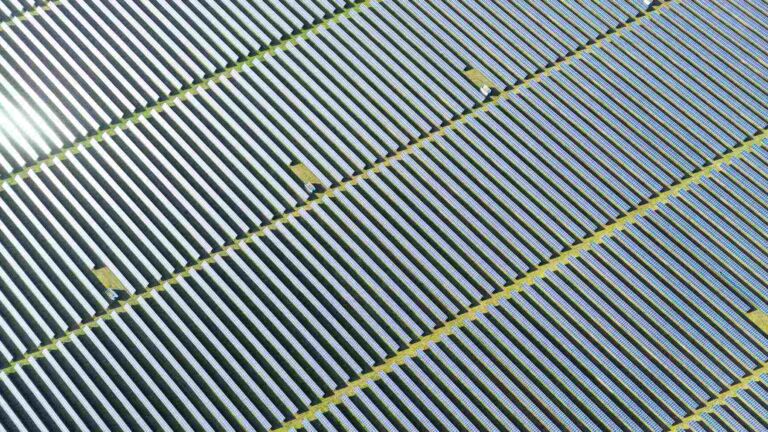
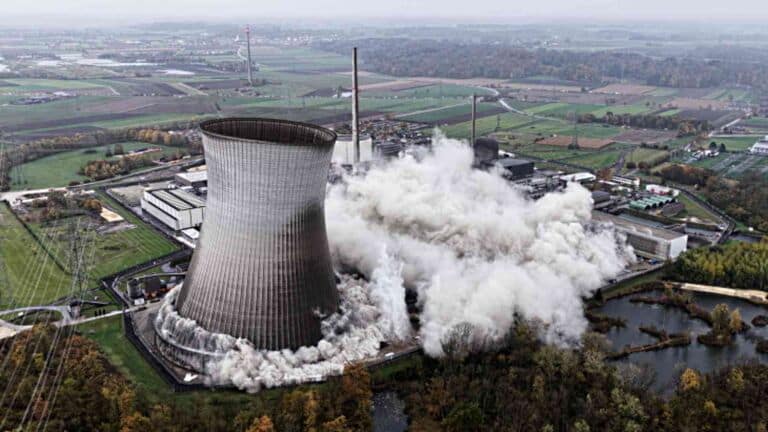
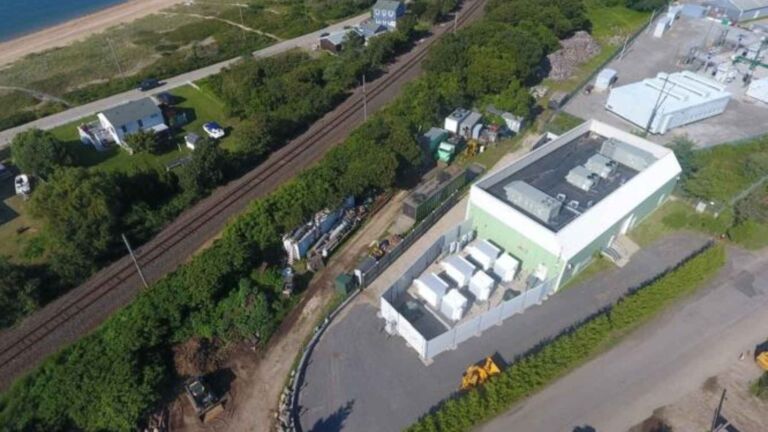
Spain is one of the countries with the richest and most unique traditions and cultures. From the passionate Flamenco to the traditional siesta, Spain has a high quality of life. Its high quality of life has also become much greener. Spain’s Gemasolar delivers 80 GWh, with 2,650 heliostats generating power at night. The country has shown its dedication to maintaining its passionate and social atmosphere, and now its dedication will expand to keeping its carbon footprint as low as possible thanks to Gemasolar.
Spain is joining global forces by going green
Spain is dedicated to keeping its carbon footprint intact, and has joined global forces in April 2016 after becoming part of the Paris Agreement, as per Lexology. The country also legislated climate laws to decrease greenhouse gas emissions and to promote the transition to renewable energies. One of its ambitious targets includes PNIEC, which aims to achieve in 23% reduction in emissions by 2030.
Unfortunately, according to BBVA Research, Spain’s carbon footprint had a slight increase in 2022 as the country’s tourism industry went back to normal post-pandemic. Its greenhouse gas emissions increased by 3.1%, with carbon emissions increasing by 4.5%, as the economy recovered and its energy mix started to deteriorate, as per the National Statistics Institute (INE). Air transport’s greenhouse gas emissions increased by 60%.
Perhaps if they invest in another plant such as Gemasolar, the country will not only meet the increased demand for energy but also continue to lower its carbon footprint and thus stay on track to achieve its ambitious climate targets. Gemasolar is a revolutionary plant with some significant numbers.
Spain’s revolutionary Gemasolar plant
Spain’s Gemasolar was the first commercial plant of its kind in the world and opened new doors to the next generation of thermosolar power generation technologies, according to an article published by ResearchGate. This solar power tower plant utilizes 2,650 mirrors called heliostats. These heliostats focus sun radiation on the solar tower’s small molten salt receiver, and move in accordance with the sun to maximise solar collection, as per ScienceDirect.com.
The accumulated heat can rise to temperatures of up to 565°C, which is used to heat water and produce steam. The steam then drives a generator’s turbine to generate electricity. While this plant may not be the heart of energy in Europe, its numbers are still out of this world. According to Sener, who engineered the molten salt receiver in collaboration with CIEMAT, the project has the following stats:
- Thermal cycle efficiency of 40%
- Thermal storage capacity of 670 MWhth
- Annual equivalent hours of 5,000 h annually
- 80 GWh of power annually
Gemasolar is about so much more than just power
Beyond its impressive power output, Gemasolar’s molten salt thermal storage system prevents power supply fluctuations by storing thermal energy for 15 hours without sunlight. It can thus produce power at night. The plant was commissioned in May 2011, and its operations started in late June to produce 24 hours of continuous electricity.
Additional benefits of Gemasolar
- High thermal storage capacity
- Improved thermodynamic efficiency due to higher temperatures
- Heat is transferred and stored by the same fluid
- A concentrated piping system and decreased system length decreased energy losses and material expenses
- Decreased emissions
Spain’s Gemasolar was the first of its kind in the world, but it’s certainly not the last. The plant’s impressive statistics have proven its suitability to not only meet the rising energy demands of a country popular among tourists, but will also significantly help to lower the country’s overall carbon footprint. Achieving their ambitious climate targets is thus not impossible, but more investments in renewables will be required. This Asian country has also changed its future in renewable energy by investing in a hybrid renewable energy park.
Disclaimer: Our coverage of events affecting companies is purely informative and descriptive. Under no circumstances does it seek to promote an opinion or create a trend, nor can it be taken as investment advice or a recommendation of any kind.
Read the whole thing?
Get the week's signal, not the noise
Our sharpest reporting on energy, climate and nature — free, once a week.