
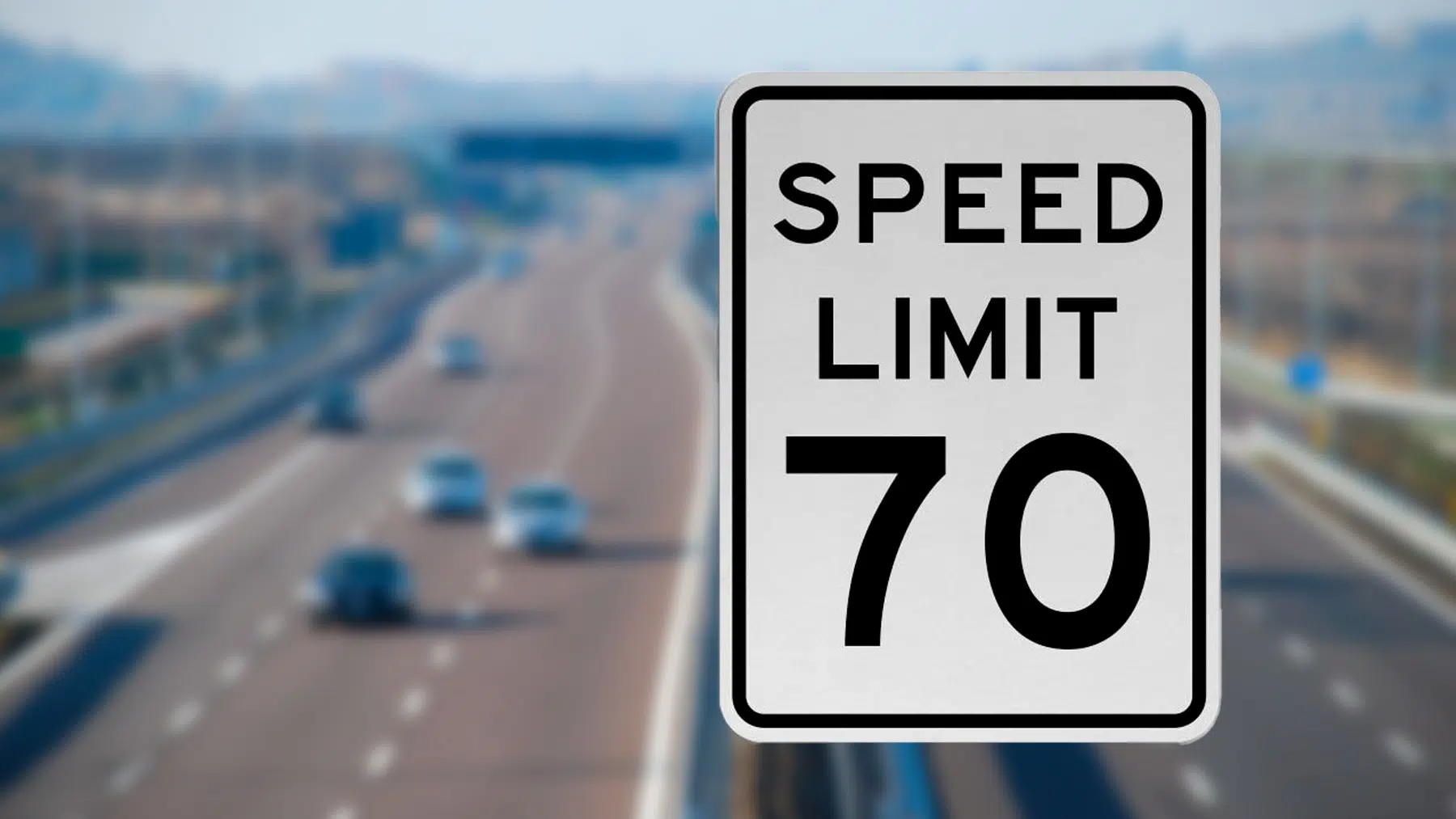
For nearly three decades, New York has maintained a maximum highway speed of 65 mph—a cap that dates back to the mid-1990s, when the state abandoned a 55 mph limit in favor of uniformity and safety. While much of the nation has since lifted speed ceilings—some stretching as high as 75 or even 80 mph—New York’s 65 mph standard has remained largely unchanged, making the Empire State an outlier among its peers. The broader national trend has seen highway speed limits rise in response to evolving vehicle technology and infrastructure—all while sparking debates over safety, efficiency, and engineering norms.
New York is outdated when it comes to speed limits, but locals have adjusted
With advancements in automotive safety, shifts in traffic patterns, and driver expectations evolving, lawmakers argue that sticking to a 65 mph cap may be outdated. Over 40 states now allow speeds of 70 mph or higher, leaving New York increasingly isolated in national comparisons. The conversation comes into sharper focus as commuters and freight carriers—especially across less congested corridors—express frustration with what they see as unnecessarily slow limits that now feel misaligned with the flow of modern traffic.
In response, a pair of bills—one in the Senate, another in the Assembly—would give state authorities the power to raise the top speed to 70 mph on selected corridors. These include stretches of the Thruway and rural interstates, where traffic engineers argue conditions may support faster, yet safe, travel. The changes are framed as selective, data-driven, and focused on efficiency—targeting areas where design, visibility, and traffic composition align.
Senator wants new bill to raise NY top highway speed for first time in 30 years
Senator Tom O’Mara brought the proposal to the Senate Transportation Committee. The New York Senate Bill S1500 would let the Thruway Authority and state Department of Transportation to increase the limit on certain highways from 65 to 70 mph.
New York’s current cap dates back to 1995, when then-Governor George Pataki signed off on an increase from 55 mph. Today, more than 40 states allow speeds of 70 or more. Only Hawaii sits lower, at 60 mph, based on data from the Insurance Institute for Highway Safety.
Under O’Mara’s plan, stretches of the Thruway, I-86, I-81, I-87, I-88, I-390, I-490, I-590, Route 17, Route 481, I-90, I-690, Route 690, Route 695, Route 5, Route 531, and U.S. 219 would be eligible—if state officials sign off. Most of these corridors run through rural or less-congested areas.
O’Mara wants the change, but the numbers show otherwise: more accidents
“It makes sense for motorist convenience and efficiency, certainly in the more rural areas of the state along the Thruway, I-86, I-390, and I-81, for example,” O’Mara said. Federal data shows the risks that come with higher speeds. In 2020, speeding was linked to more than 11,000 deaths nationwide—nearly 30 percent of all fatal crashes.
In New York, speed-related fatalities rose to 364 in 2021, up 34 percent from 2017, according to state research out of Albany. States use different formulas to set limits. One common tool is the “85th percentile rule,” which measures the speed at or below which 85 percent of drivers travel on a given stretch.
The bill is not expected to be in action soon as the state is dealing with other matters
The proposal is expected to draw pushback from groups that see higher limits as a recipe for more crashes and fatalities. The AAA organization has funded studies questioning whether faster travel is worth the risk and warning about a broader rise in dangerous driving—everything from running red lights to getting behind the wheel while tired, impaired, or drunk. On the other side, New York is also focused on multiple measures, such as ending the ghost car movement, speeding in prohibited zones and illegal parking.
Read the whole thing?
Get the week's signal, not the noise
Our sharpest reporting on energy, climate and nature — free, once a week.


