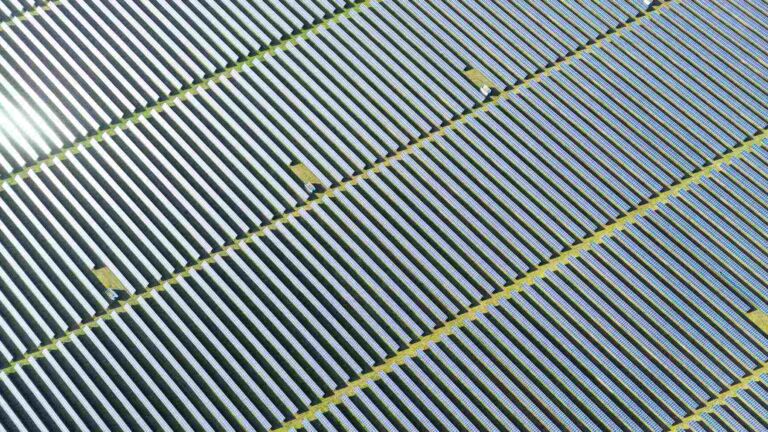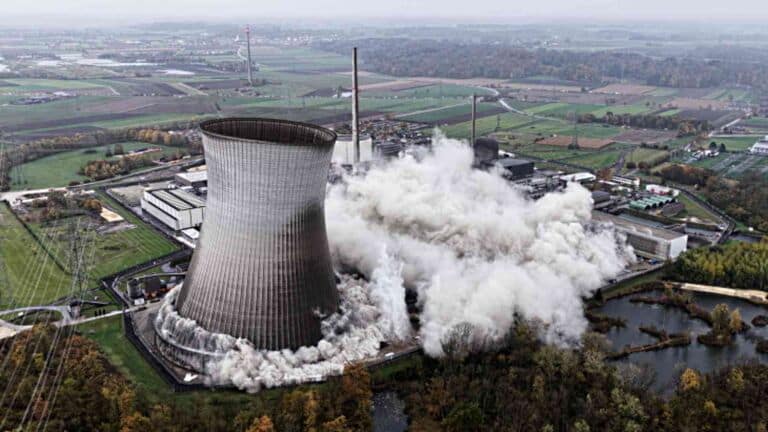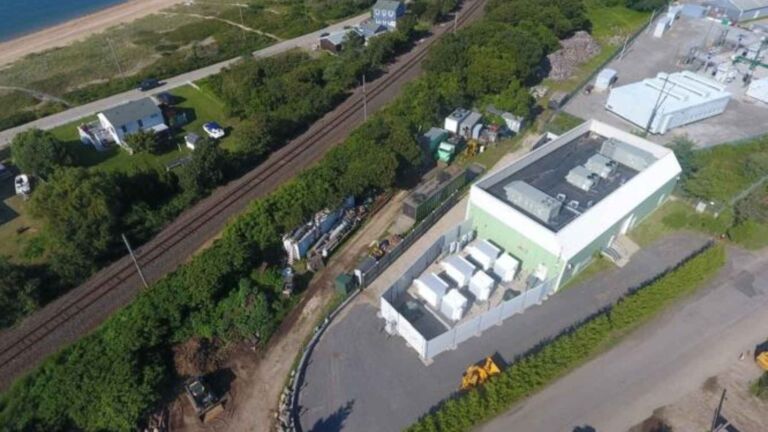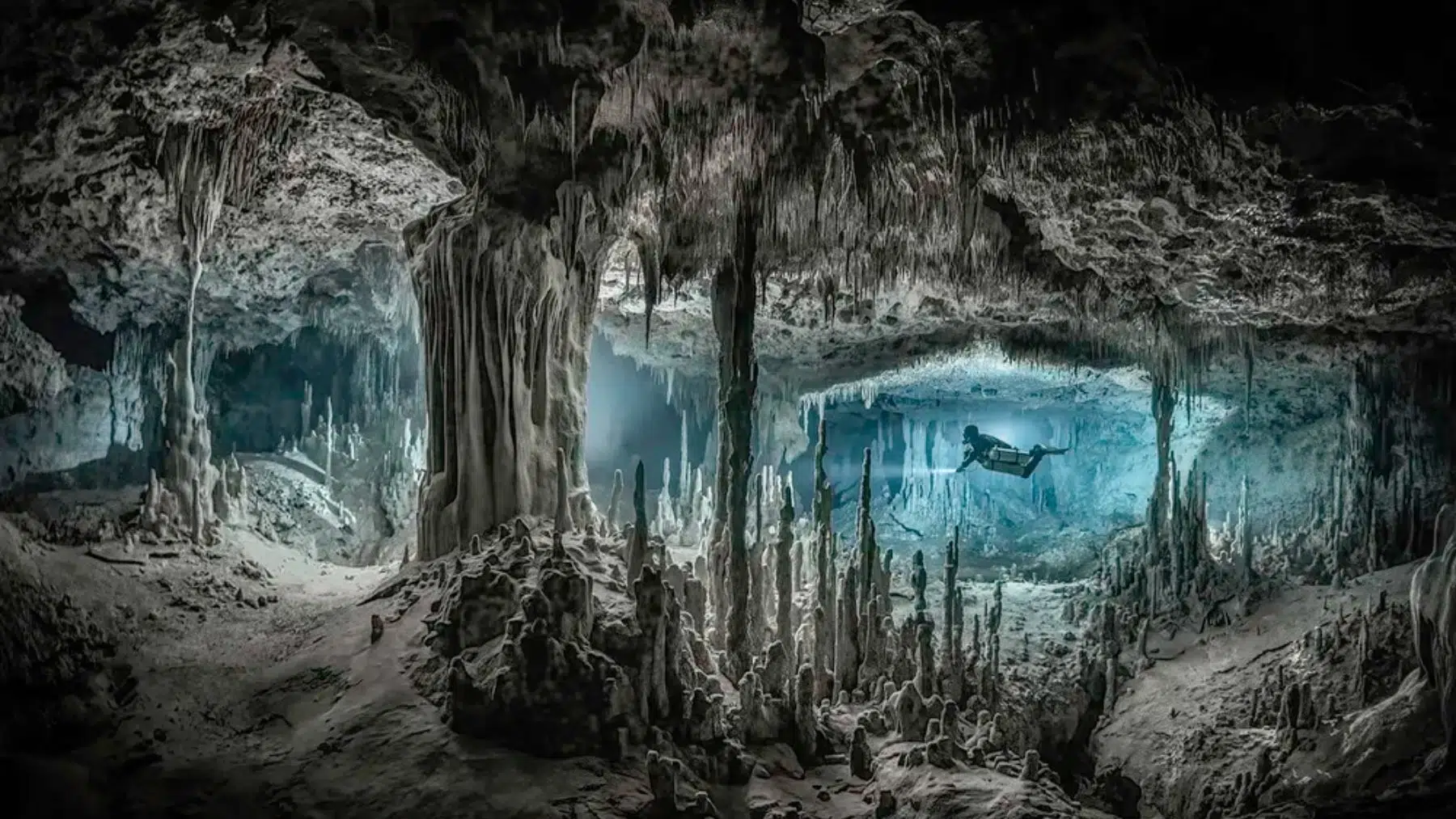
A major discovery has been made that can revolutionize the world’s power supply. A European country located in the southeastern region has discovered significant natural hydrogen reserves buried beneath the Earth. This buried power reserve has pushed this country into the lead of the renewable energy industry, as 100% of its power is produced from renewable sources. Soon, the world could be following suit.
A major discovery that can revolutionize global power
Nations across the world have joined forces in a global attempt to decarbonize the planet, with hopes of reaching zero carbon emissions by 2050. Researchers and engineers from all over have provided the world with innovative renewable power technology, but due to certain limitations, it is still not enough to meet the world’s power demands in the long run.
All of that could potentially change. The European country, Albania, which can give China a run for its money when it comes to renewable energy, has made a major discovery of a potential renewable source deep underground in its chromite (chromium ore) mine. This source will revolutionize global power production, offering us clean, unlimited electricity for a very long time.
The newly discovered energy source that can power the world
Albania’s chromite mine, the Bulqizë mine, officially began operations in 1948. Since then, it has faced many challenges, including its history with concession agreements. Its other major issues included three massive gas explosions in 2011, 2017, and 2023, respectively. According to National Geographic, many have mistaken methane as the cause of the explosions, but after further investigation, another gas was revealed as the culprit.
The culprit in question is none other than hydrogen; however, its quantity and purity have never been measured until recently. Researchers have discovered a ‘massive spring’ almost 1km underground, which had nearly pure natural hydrogen being released into it. According to Hydrogeninsight, this spring was dubbed “the jacuzzi,” which produced 11 tons of 84%-pure hydrogen annually, and further calculations revealed that the entire mine has been producing almost 200 tons annually for the past six years.
This discovery has been making many hopeful of the potential of natural hydrogen’s commercial exploitation at low cost around the world. One major thing that everyone must consider first is how renewable this hydrogen will be, as hydrogen can be polluting in some cases, and non-polluting in others.
The implications of this mine’s discovery
The National Centre for Scientific Research (CNRS) in France, which was involved in the research, stated that the measured production was the largest natural flow of hydrogen to date. CNRS also added that natural hydrogen cannot truly be labelled as renewable, as its generation period is far longer than its extraction period. In addition, these geological sites conceal a fragile deep biosphere that is dependent on this hydrogen.
Others disagree. According to Hydrogeninsight, Earth’s surface contains areas with limited vegetation due to hydrogen leakage, which are referred to as “fairy circles.” These areas generate 23 million tons of hydrogen annually, excluding the additional hydrogen reservoirs found underground, making natural hydrogen fairly renewable.
“It could really disrupt geopolitics, and in many good ways, because the hydrogen will be where the oil and gas are not.” – University of Texas energy systems researcher Michael Webber
Only time will tell whether this newly discovered natural hydrogen site will be further investigated and mined with the necessary precautions. However, Albania is not the only place with the so-called “hydrogen-fever,” as there have been numerous sites with the main focus on mining hydrogen, especially as its demands grow in industry.
Disclaimer: Our coverage of events affecting companies is purely informative and descriptive. Under no circumstances does it seek to promote an opinion or create a trend, nor can it be taken as investment advice or a recommendation of any kind.
Read the whole thing?
Get the week's signal, not the noise
Our sharpest reporting on energy, climate and nature — free, once a week.