A globally binding goal under the Paris Agreement has the world racing against time to achieve carbon neutrality by 2050. This climate target was set to prevent the Earth’s temperature from rising due to global warming by lowering greenhouse gas emissions. Virginia has set the stage by turning to an unconventional project to reduce its carbon footprint, and citizens can see 2,600 MW rise from the Atlantic as a result. Will others also start looking beyond conventional projects?
Looking beyond conventional onshore wind projects
According to the U.S. Energy Information Administration, conventional onshore wind projects, while a viable alternative to fossil fuels, still face several challenges and concerns, which include, but are not necessarily limited to:
- Operational and technical challenges
- Intermittency due to variable wind speeds
- Onshore turbines experience higher turbulence and slower wind speeds, further decreasing operational efficiency
- Environmental and wildlife concerns
- Posing threats to wildlife such as birds and bats
- Installation disrupts habitats
- Socio-Economic impacts
- Visual pollution
- Noise pollution
- Land use conflicts with the agriculture and recreation sectors
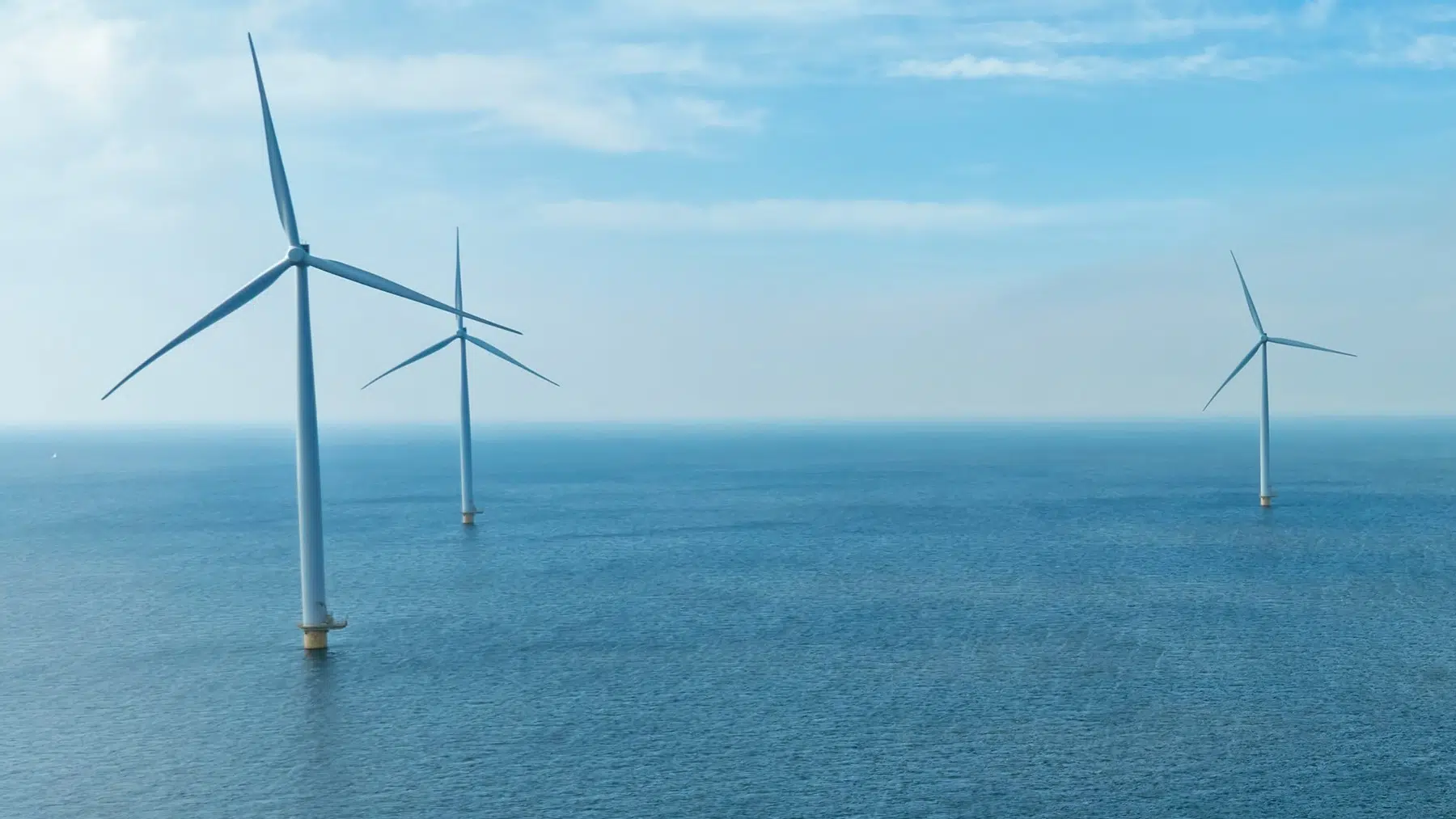
This is why several companies have decided to look beyond conventional onshore projects, with the answer lying far over the ocean for some. The state of Virginia has turned to the Atlantic as a solution to most of these challenges and concerns faced by conventional onshore projects, and has set the stage with a powerful capacity of 2,600 MW.
Virginia sets the stage as 2,600 MW rises from the Atlantic
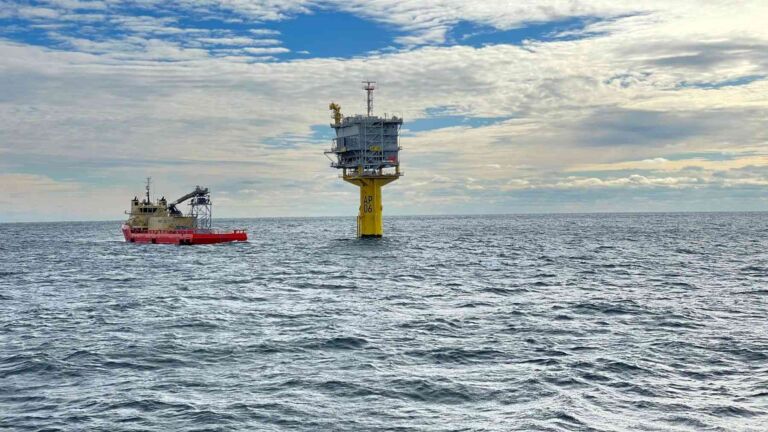
Dominion Energy is managing the construction of Virginia’s unconventional project. The project has made significant progress, with officials confirming that 134 foundations have been installed along with the required deepwater cables. Once the construction has been completed, the project will have 176 installed foundations. Attached to these foundations will be offshore wind turbines.
The project, known as Coastal Virginia Offshore Wind, will be utilizing a brand new turbine installation vessel called Charybdis, which is the first American-flagged ship of its kind. According to Dominion Energy, the project’s cost could increase to $10.9 billion this month, as one of the consequences of Trump’s imposed tariffs. The project’s utility budget may even increase to $11.3 billion after its expected completion next year.
The implications of Virginia’s offshore project
“This project remains consistent with the goal of securing American energy dominance and is part of our comprehensive, all-of-the-above strategy to affordably meet growing energy needs. The project fabrication and installation are going very well, and CVOW continues to be one of the most affordable sources of energy for our customers.” – Dominion CEO Robert Blue
Many other offshore wind projects have halted construction and development, but Dominion Energy insisted that Virginia’s offshore project was key to meet the state’s increasing power demand, especially as it is the country’s data center heart. The project will have a total capacity of 2,600 MW, which will be able to power over 900,000 homes.
The offshore wind project’s first turbines will reportedly be installed later in 2025. Blue is very self-assured due to everything being on track for the project’s construction and has also assured investors of the project’s completion timeline.
“We’re highly confident in the schedule. What really gives us confidence is the de-risking associated with this kind of installation.” – Blue
Increasing the total installed capacity of offshore wind turbines in the U.S. is highly advantageous, as it boosts the production of clean, renewable energy, results in higher efficiency, strengthens the economy through job creation, and improves power grid stability through its consistency and increased efficiency. However, experts believe that offshore wind turbines have a strange effect on whales, which means their environmental impacts must still be thoroughly observed and researched, as the potential impacts are still unfamiliar.
Read the whole thing?
Get the week's signal, not the noise
Our sharpest reporting on energy, climate and nature — free, once a week.