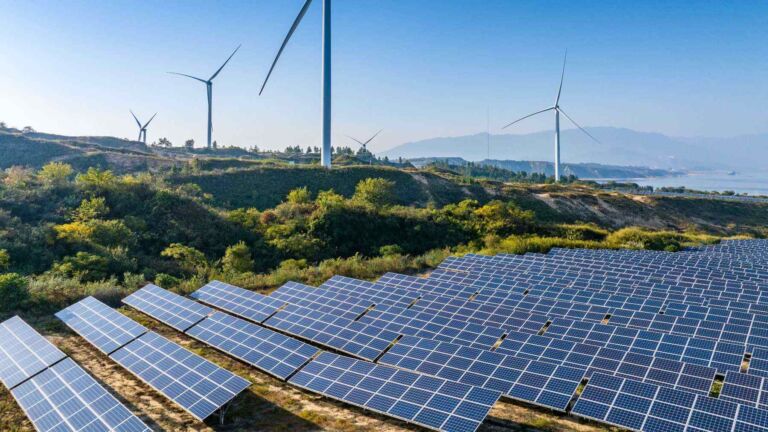
Illinois is taking a big sustainable energy leap by opting to pay households that utilize solar panels. With the introduction of the Clean and Reliable Grid Affordability (CRGA) Act, the state is providing incentives for citizens who choose to move with the clean energy agenda being enforced throughout the state. One of the major changes is the Virtual Power Plant (VPP) program set to contribute back to households that have invested in solar and batteries, as these households are contributing electricity back to the grid. Citizens in the state are excited by the possibility of earning a new source of income.
An era of clean energy in the state of Illinois
At the end of October, the Illinois General Assembly passed the CRGA Act, sweeping energy legislation that builds upon the Future Energy Jobs Act (FEJA) of 2016 and the Climate and Equitable Jobs Act (CEJA) of 2021. Such laws are being put in place to counteract the price increases that ComEd and Ameren Illinois customers had previously faced.
The Act is also a chance to push for battery storage, with the plans for the state being to add 3 gigawatts (GW) of battery storage to the system in years to come, enough to power millions of homes and help reduce electricity price volatility.
With the new law in place, a Storage for All program was introduced as well. With this program, the idea is to make battery systems more accessible for citizens. Energy efficiency is of vital importance. For every $1 invested in energy efficiency, consumers get at least $2 back in system-wide benefits — such as avoiding energy costs and expensive grid upgrades on new electric load.
Understanding the Virtual Power Plant (VPP)
With the new Virtual Power Plant (VPP) initiative, residents get paid for having solar panels and batteries, or small-scale energy resources. Citizens tend to get paid because they are providing electricity and grid services.
Instead of depending on power stations, the VPP initiative can supply extra electricity and reduce grid strain. With this initiative in place, homeowners can:
- Earn payments for sharing stored energy systems.
- Reduce grid stress and reduce the emissions of fossil fuels.
- Improve local reliability, especially in terms of high-demand events.
Illinois is enabling citizens to tap into private investment that they already may have in their homes instead of building new sustainable infrastructure in the state. Another advantage of the act is that it strengthens the state regulator’s authority to go hard on deceptive solar marketing practices. This issue of bad marketing has grown since solar has become more widely embraced throughout the state.
Ensuring the long-term reliability of the grid
According to the CRGA Act, the platform has been set for smarter and flexible grid planning. With this measure in place, the Illinois Commerce Commission will use a standardized process to consider the energy needs of the future.
According to the legislation, transmission lines need to be supported, and all bottlenecks need to be reduced. With this, optional time-of-use (TOU) pricing will enable residents to save money, as well as shift electricity use away from peak grid hour usage. The CRGA Act also repeals the existing moratorium on new large-scale nuclear construction, meaning it is now possible to explore such a possibility in Illinois.
Why is the state embracing such energy initiatives?
According to Senate Bill 25 in the Illinois General Assembly, the state is embracing a solid commitment to a cleaner energy future. With this new initiative in place, households can now reap the benefits of investing in solar power. Along with the potential to earn from their solar investments, citizens will also have a better, sustainable energy outlook and a more rewarding energy future.
Disclaimer: Our coverage of events affecting companies is purely informative and descriptive. Under no circumstances does it seek to promote an opinion or create a trend, nor can it be taken as investment advice or a recommendation of any kind.
Read the whole thing?
Get the week's signal, not the noise
Our sharpest reporting on energy, climate and nature — free, once a week.