
A large-scale renewable energy project has been approved in Montana.
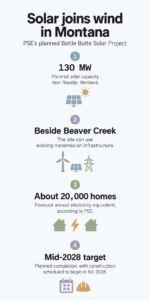
Puget Sound Energy (PSE) has begun developing a 130-megawatt (MW) solar farm, called the Battle Butte Solar Farm, located just off Interstate Highway I-94 in the high plains area of Montana.
This solar farm was chosen because it is located near PSE’s other renewable energy assets.
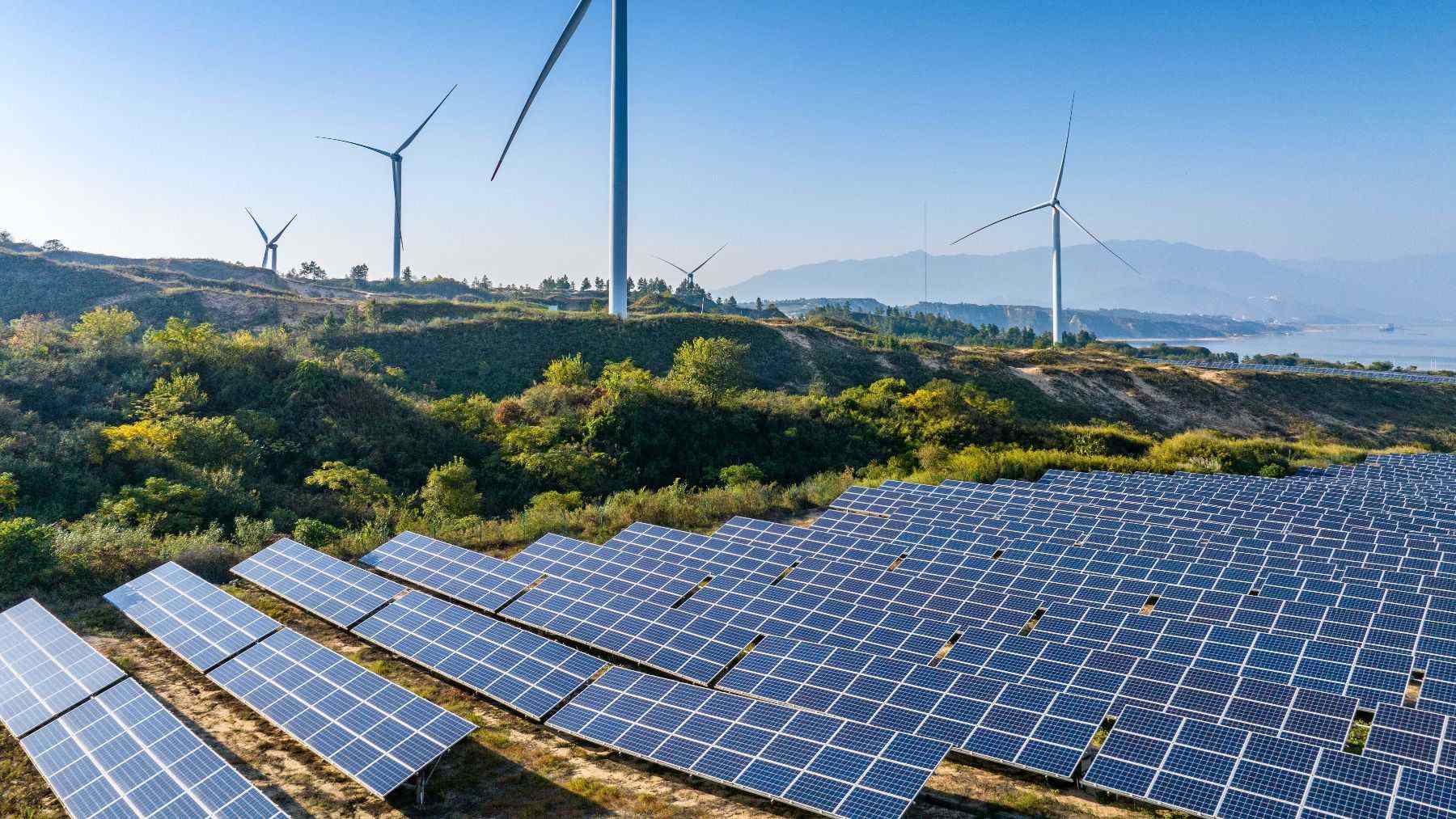
The solar panels will be built alongside an operating wind farm called the Beaver Creek Wind Project, which began commercial operation in 2025.
The proximity of the two projects will allow for easier connection to existing electrical transmission lines.
Building beside a wind project removes several development hurdles
In addition to being able to connect to existing transmission lines, the site offers other advantages, including flat land and complete control over all aspects of the project.
Typically, when companies seek to build large-scale renewable energy farms, they face many challenges related to finding suitable land.
By selecting a location that already includes an existing renewable energy farm, PSE has reduced these challenges and made it possible to complete their project sooner than if they had selected a different location.
The project brings jobs, tax revenue, and early community involvement
Both construction and operation of the Battle Butte Solar Farm are expected to have significant economic impacts on the local community.
During construction, the project will employ approximately 250 skilled workers who will be paid competitive wages.
Local communities will receive revenue generated from various project-related expenses such as local impact fees and property tax payments.
As part of their commitment to engage with the local community early and often, PSE held a public meeting (open house) in late January in Rapelje to provide information regarding project plans and schedules.
Battle Butte will become one of the region’s largest power sources
Upon completion, the Battle Butte Solar Farm will produce enough electricity to serve approximately 20,000 households per year.
Construction began in fall 2026, with commercial operation anticipated for mid-2028.
When completed, the Battle Butte Solar Farm will cover an area of 1,400 acres of high-plains ranch land.
It will represent one of the largest single additions to the regional generation mix over the coming years.
The solar farm is part of a much larger clean-energy transition
The facility supports PSE’s long-term transition plan to comply with Washington State’s Clean Energy Transformation Act.
Under this mandate, the utility has committed to supplying retail customers with 100% renewable or non-emitting electricity by the year 2045.
To meet this requirement, it has contracted for 22 long-term clean-energy deals representing more than 4,000 MW of installed capacity since 2019.
The Battle Butte Solar Farm is the newest individual resource added to the expanding generation portfolio of Puget Sound Energy.
Battle Butte extends decades of energy investment in Montana
Unlike earlier PSE projects in Montana, Battle Butte expands the utility’s existing footprint rather than standing alone.
Historically, the utility has maintained a diverse group of power-purchase agreements across the region.
These agreements have included hydro allocations with Energy Keepers, Inc., as well as contracts with Clearwater Wind and Haymaker Wind.
The addition of the Battle Butte Solar Farm expands this long-standing statewide investment history into solar generation.
The project now shifts from planning to construction
With final design and layout plans completed and public meetings finished, the focus of the Battle Butte Solar Farm now shifts to deploying the necessary materials and labor required for construction.
Site preparation activities began this fall as the project moved into its active construction phase.
Upon completion in mid-2028, the facility will cease to operate as an active construction site and become a permanent source of generation, providing power to the regional transmission system.
Read the whole thing?
Get the week's signal, not the noise
Our sharpest reporting on energy, climate and nature — free, once a week.


