An active construction site in Italy had to suddenly halt operations.
Land in Vasto was being prepped for a solar plant when shovels struck something massive in the soil.
It turned out to be an ancient network untouched for 2,500 years. Archaeologists are amazed at its perfectly preserved state.
It’s not the age of the site that’s the talking point. It’s how the structures were built. What exactly are these stone-based structures, and how did they come to be?
How modern tech met ancient history
Punta Penna in northern Vasto is a busy industrial area along the Adriatic coastline in Chieti province, Italy.
Today, the landscape is occupied by traffic, factories, and shipping routes. It seemed like the last place you would stumble across some ancient history.
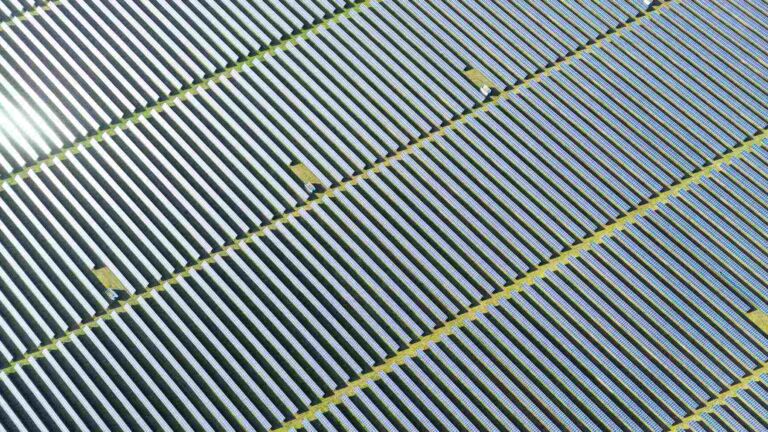
But that changed when an energy company rolled in to install a large-scale photovoltaic plant.
Italy’s strict laws protecting heritage meant that preventive archaeology checks had to be done. Not a single panel could go up until the Soprintendenza Archeologia finished overseeing the digging.
Expectations were high that nothing would be discovered and the ground could be broken for construction.
But the green energy project hit a wall. Literally a wall of stone.
Right underneath the construction site lay a massive footprint from thousands of years ago. The solar company had to bring the project to a complete stop and fund an immediate emergency excavation.
Crews realized they had a mystery at their feet.
Signs of a highly organized, wealthy civilization of the elite
The scale of the find became clearer the deeper the crews dug.
A strict rule of confidentiality had to be maintained by everyone working the site to keep looters away.
The discovery was eventually identified as a sprawling pre-Roman network dating back to the fifth and fourth centuries BC.
Rome wasn’t in charge of the Adriatic coast in those days. It was an Italic people called the Frentani who controlled this strategic coastal viewpoint.
Much to archaeologists’ delight, the Frentani left incredible clues about their daily lives behind.
There were iron and bronze ornaments, ceramics, and an iron skewer. The highlight was a bronze belt in a beautifully preserved condition.
The hoard pointed to a group of highly organized local elite.
But it’s the physical design of the site that fascinated the experts. The earth had been cut deeply and packed with an unexpected material.
What was the thinking behind such a distinct and rare layout?
Multiple burials, multiple complex methods of interment
What the solar plant plan uncovered was a network of pre-Roman burial pits. Archaeologists officially revealed to the media that it’s a massive Italic necropolis.
The ancient city of the dead holds dozens of graves.
The community used incredibly specific engineering to honor their deceased 2,500 years ago.
The site features various styles of burial over a relatively short period of time. Some individuals were laid to rest on meticulously arranged beds made out of tiles. Others were placed inside a remarkable tiled box cist to be buried.
Heavy stone filler was packed tightly inside the pits and acted like a time capsule. The bodies and the treasures were protected for centuries.
Now, the real work starts
The next steps will be funded by the Italian Ministry of Culture (available in Italian). Experts are busy cleaning, stabilizing, and cataloging the grave goods, some of which are fragile.
These artifacts aren’t disappearing into a vault. They’ve been booked for a brand-new museum itinerary at Palazzo d’Avalos in Vasto.
It’s a fitting location, keeping the incredible discovery rooted right in the territory where it belongs.
How many other ancient worlds are waiting just beneath the infrastructure of our modern lives?
Read the whole thing?
Get the week's signal, not the noise
Our sharpest reporting on energy, climate and nature — free, once a week.