As technology evolves, the need for a more cautious analysis of software issues in new vehicles grows at the same speed. Not only do electric or hybrid cars have issues and are recalled, but also combustion models are constantly needing to be called back to a nearby licensed garage or dealer to fix minor mistakes that happened in the assembly process. The recalls issued by the manufacturer or the National Highway Traffic Safety Administration (NHTSA) are becoming more frequent, and Japanese cars are being called back more than ever in the United States.
Recalls are common even for state-of-the-art manufacturers
Nissan, Honda, and Toyota have all issued recalls since the beginning of the year. Some mistakes may involve loose bolts, software issues, or cooling system issues – anything can go wrong when assembling a new vehicle. On the other hand, Japanese manufacturers are also known for their attention to detail and innovation in vehicles, which are still considered more reliable than some American or European brands.
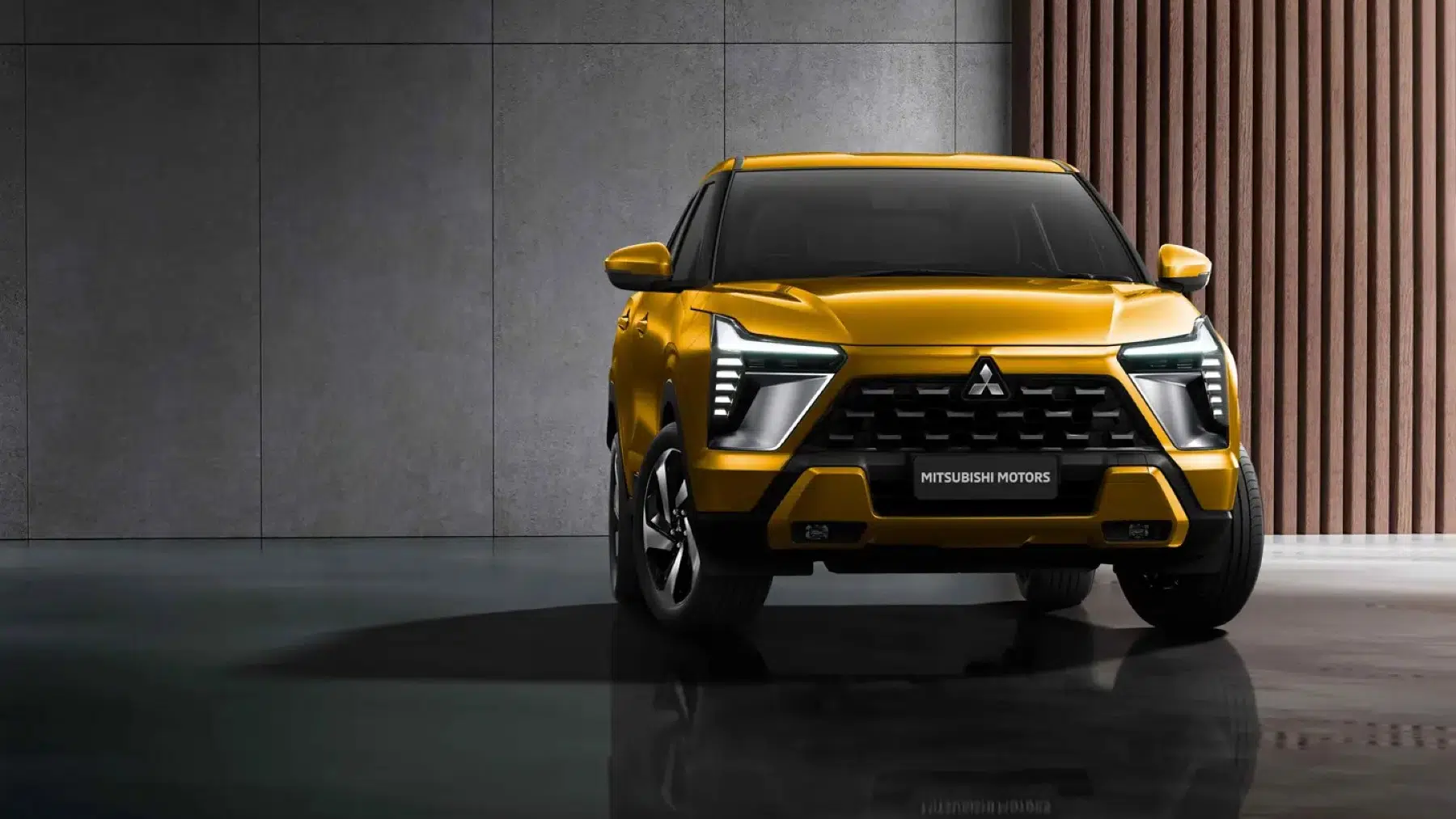
Everybody has their taste, but sometimes a brand cannot give the client what they want. Tesla, for example, has only sedans and the Cybertruck in their catalog, and due to the growing competition from Chinese manufacturers, has been losing market share in some places in Europe. Japanese brands, on the other hand, have classic brands with plenty of options, like Mitsubishi, which developed many models from sedans to SUVs and fast cars, but the brand has issued a massive software issue in hundreds of thousands of cars in the U.S.
Mitsubishi recalls thousands of SUVs for software issue
Earlier this year, Mitsubishi recalled nearly 200,000 units of its Outlander SUV in the U.S., including both the standard combustion model and the plug-in hybrid (PHEV) version. The issue is a glitch in the rearview camera system that sometimes causes the image to freeze or not show up at all when drivers shift into reverse.
The problem comes from improper software programming in the infotainment system – the hardware itself is fine, but the programming was not quite right, making the car fall short of U.S. safety standards for rear visibility. The recalled Outlander SUVs cover model years 2022–2024, while the Outlander PHEV SUVs affected span model years 2023–2025.
Before issuing the recall, Mitsubishi had already received warranty claims and official reports about the camera bug. The company has since rolled out a fix for the software issue, which dealers can install at no cost. Customers will be notified toward the end of June, and those affected will also be able to check their vehicle’s status online.
Other top-selling vehicles
The Outlander – including the plug-in hybrid (PHEV) version – continues to be Mitsubishi’s top seller in the U.S. In the first quarter of 2025 alone, the company delivered 13,695 units, easily outpacing the Mirage, which had 7,301 sales during the same period.
The Mirage, both in its sedan and hatchback forms, was officially discontinued after the 2024 model year. In 2024, the Outlander finished with 52,228 units sold in the U.S., while the Mirage trailed behind with just under 30,000. So far, there’s no word on a direct replacement for Mitsubishi’s budget-friendly subcompact in this market.
Another brand is constantly recalling other vehicles to have them repaired. Around 27,000 units of the Polestar 2 were recalled in the U.S. due to software issues with the rearview camera display. The recall surprised fans of the brand, which is backed by Volvo Cars and Geely as shareholders. The electric vehicle (EV) sector has been one of the most affected areas in the industry, and Tesla recalled many Model Y and Cybertrucks in the last months.
For more information about this recall, you can check the 25V-369 recall from the National Highway Traffic Safety Administration.
Read the whole thing?
Get the week's signal, not the noise
Our sharpest reporting on energy, climate and nature — free, once a week.