It was meant to feel like progress. Faster services. Smarter tools. A future that runs smoother than ever before. For a long time, most people only noticed the benefits on their screens. But behind that quiet digital growth, something else has been rising just as fast. Energy use. And lately, that invisible cost has started showing up where it hurts most for ordinary people, right at home.
When progress quietly becomes a household problem
All across the United States, massive facilities are being built to support the modern digital economy. They operate day and night, never slowing down, drawing enormous amounts of electricity from local grids. At first, the impact was easy to miss. Then utility bills started creeping up. Then came concerns about power shortages, water use, and aging infrastructure being pushed beyond its limits.
In several states, residents noticed a worrying pattern. Electricity costs were rising faster than inflation. Local grids were under strain. What once felt like distant innovation suddenly became a very real local issue.
Why communities across the country started pushing back
As new projects were announced, resistance followed. Town meetings filled up. Protests appeared. In some areas, opposition became so strong that companies walked away from planned developments entirely.
What made this moment unusual was that the anger was not political. It came from red states and blue states alike. Homeowners, renters, and small business owners shared the same fear. Progress was happening, but the cost seemed to be landing on people who had no say in it.
The message from communities was clear. Innovation should not come with a surprise charge on the monthly electricity bill.
The White House steps in
That frustration eventually reached Washington.
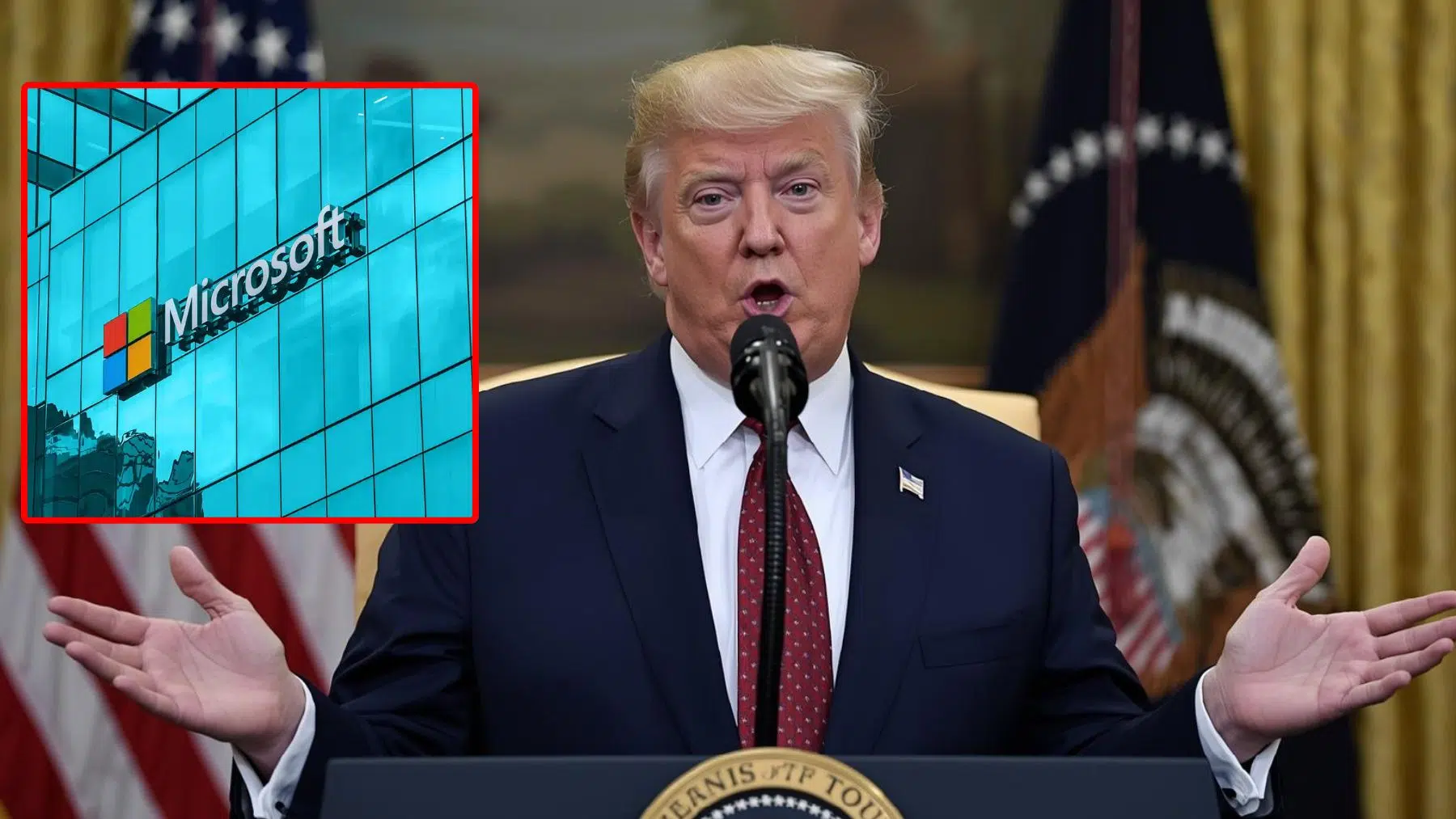
On Tuesday, President Donald Trump announced a shift in policy, making it clear that American households should not be left paying for massive new energy demands created by large corporations. In a public statement, he said:
“I never want Americans to have to pay more money for their electricity.”
Trump made it clear that companies driving these energy needs should be responsible for the consequences, not ordinary families trying to keep their lights on.
The hidden force behind the power surge
Only at this point does the full picture come into focus.
The enormous energy demand putting pressure on grids across the country is being driven by the rapid expansion of artificial intelligence. The data centers powering AI systems run constantly, training models, processing information, and supporting digital services at a scale never seen before.
Some future AI facilities are expected to consume as much electricity as entire U.S. cities. To keep up, utilities must build new power plants, upgrade transmission lines, and modernize aging infrastructure. These upgrades cost billions, and without intervention, that bill would land squarely on consumers.
Big Tech is told to pay its share
Microsoft was the first company named under the new approach. Instead of passing costs onto the public, the company announced a community focused plan. It committed to paying higher electricity rates, funding grid upgrades, and even giving up tax incentives in some areas to ensure residents are protected from rising bills.
Other major technology companies are now facing the same expectation. If AI is going to reshape the economy, Big Tech will be expected to cover the energy costs that come with it.
The message is no longer subtle. Innovation can move forward, but American families are no longer expected to quietly pay for it.
Read the whole thing?
Get the week's signal, not the noise
Our sharpest reporting on energy, climate and nature — free, once a week.