
Engines built for power — like those in trucks, SUVs, heavy machinery, farm equipment, and transportation vehicles — often rely on diesel. Still, despite its importance in these sectors, diesel isn’t the most used fuel in everyday life. In the U.S., gasoline consumption is nearly three times higher. However, when it comes to working on water, diesel is essential. That reliance, however, has raised environmental concerns — from emissions to the risks of fuel leaks. That’s where companies like Caterpillar are stepping in with new solutions.
Green engines shake things up in marine innovation
Boats, ships, ferries, fishing vessels, yachts, and recreational watercraft all run on diesel because their engines are built for it. Diesel packs more energy per liter than gasoline or most other fuels, making it the go-to choice for marine engines. It burns slower, yet delivers consistent high performance — a must for marine engines, which often operate for days or even weeks without stopping. For cargo ships with tight schedules and long distances to cover, fuel efficiency and reliability aren’t optional — they’re essential.
Marine engines are specifically built to run on diesel — and using other fuels can lead to serious problems. Diesel works on compression ignition. The air is compressed to such high pressure that it heats up and ignites the fuel. Gasoline and other fuels, on the other hand, need a spark to ignite, making them incompatible with how it is designed to operate. Using the wrong fuel can reduce efficiency, damage the engine, or even cause total failure.
Two models will be available to buy
The heavy use of diesel at sea has triggered major concerns about marine health and the broader climate impact of emissions. In response, Caterpillar has taken a major step forward with its new engine for the CAT 3500E series — now capable of running on methanol as a secondary fuel. The push toward dual-fuel marine green engines is moving quickly, as industries look for ways to reduce emissions without sacrificing the power needed to get the job done.
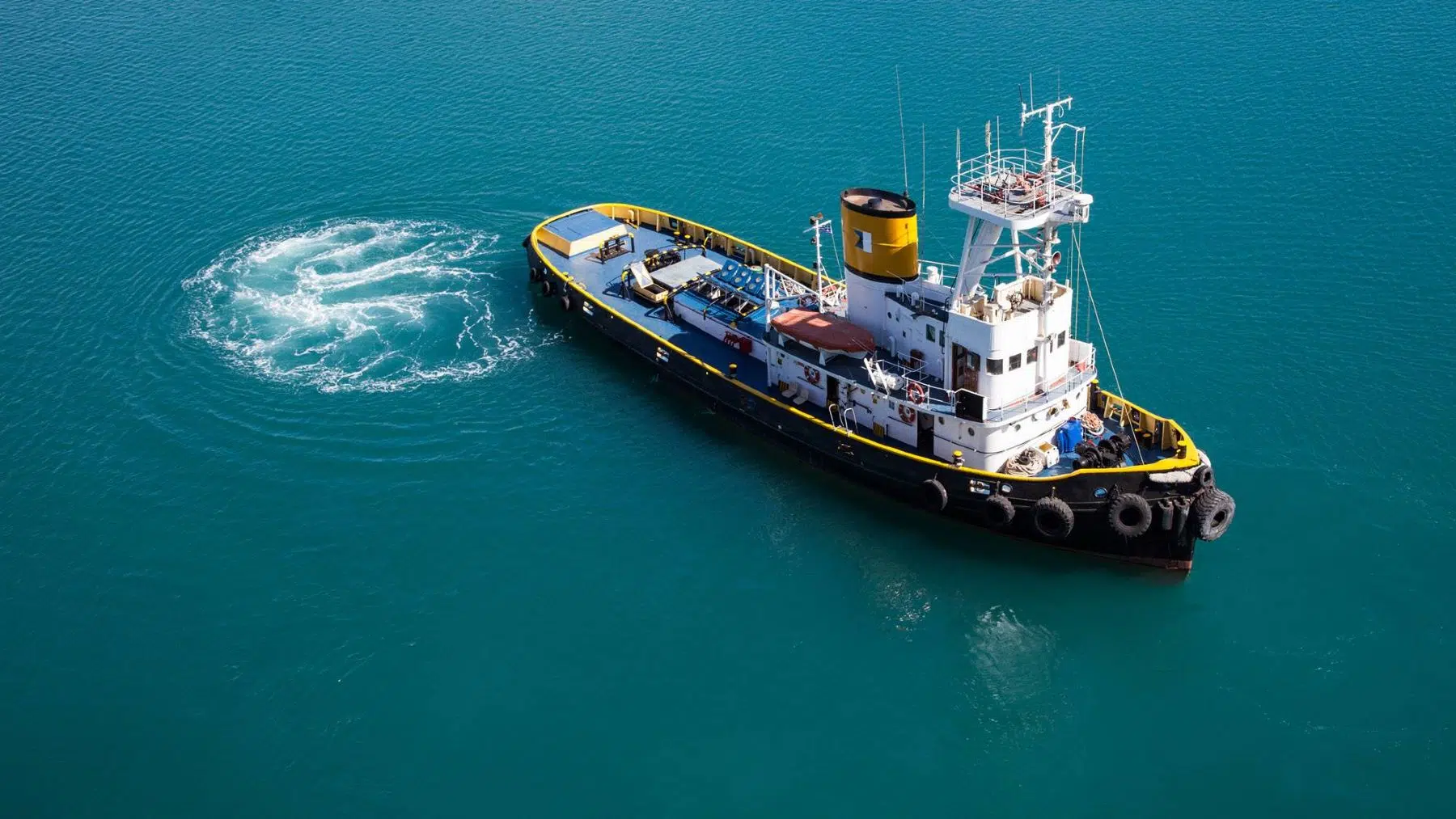
Caterpillar’s new engine will come in two versions: a 12-cylinder model generating up to 2,550 horsepower, and a 16-cylinder version pushing 3,386 horsepower. Both are designed to match the performance of the current CAT 3500 diesel used in inland tow boats, offshore support vessels, and tugboats. With this launch, Caterpillar becomes the first company in the U.S. to successfully integrate methanol and diesel into a single, reliable marine engine system.
Methanol is the closest thing to diesel in performance
Will Watson, Caterpillar’s marine director, explained that methanol is the closest alternative to diesel when it comes to maintaining power density — a key factor for heavy-duty marine operations. Another reason for the choice is practicality. Methanol tanks are close in size and volume to traditional diesel systems, which makes it easier to switch over without major changes to the vessel.
Caterpillar’s innovation lies in the hybrid system that blends methanol with diesel. However, methanol itself isn’t automatically eco-friendly — it all depends on how it’s made. The company plans to run on green methanol — a fuel made from renewable sources instead of fossil fuels. When produced this way, methanol burns cleaner, cutting down carbon emissions and releasing fewer pollutants into the air and ocean.
Tests are underway
By late March 2025, the company had entered the production phase for its new engine — the CAT 3500E — aiming for delivery in 2026. The engine will go through real-world testing over the next 18 months. If it performs as expected, it could shake up the commercial vessel industry. Right now, less than 1% of global fleets run on alternative fuel. The CAT 3500E might be the engine that starts to change that.
Our coverage of events affecting companies is purely informative and descriptive. Under no circumstances does it seek to promote an opinion or create a trend, nor can it be taken as investment advice or a recommendation of any kind.
Read the whole thing?
Get the week's signal, not the noise
Our sharpest reporting on energy, climate and nature — free, once a week.


