
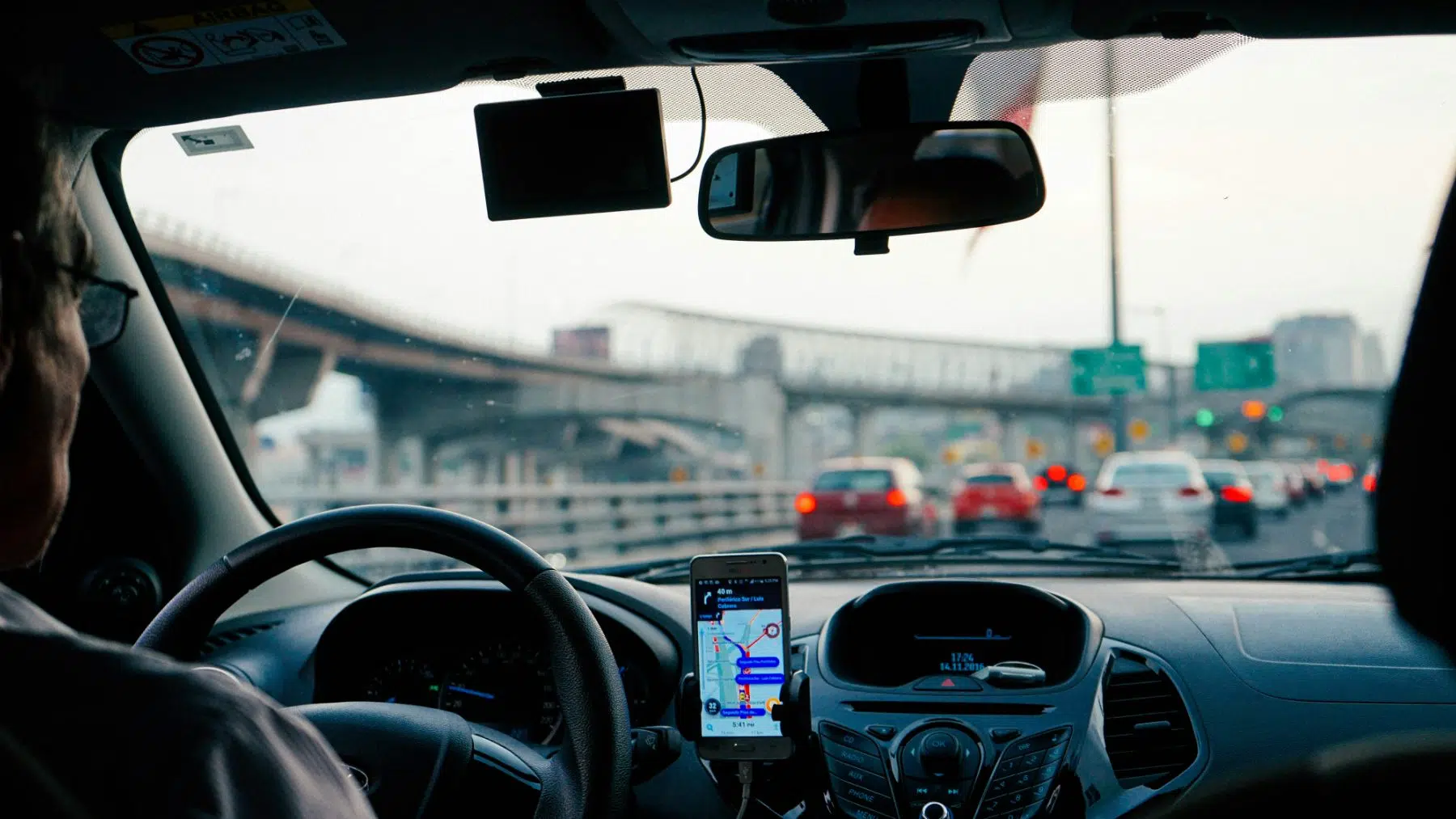
Most distracted driving laws on the books today were written when a phone call was the biggest in-car distraction. Smartphones have since become portable entertainment systems capable of streaming video, scrolling feeds, and running dozens of apps — all within arm’s reach of the wheel.
Connecticut is now moving to catch up. A bill working through the state legislature would go well beyond the state’s original texting ban, targeting a wider range of device behaviors that current law doesn’t clearly cover — and other states are paying attention.
Distracted driving laws written for a flip-phone era
When most state legislatures first took up distracted driving, the dominant concern was texting — a relatively simple, single-use behavior. That was before video streaming, social media live-broadcasting, and multi-app use became everyday habits that millions of people carry into their vehicles. The result is a growing mismatch: laws written for one technological moment trying to govern a very different one.
That gap has created real enforcement headaches. Officers and prosecutors working under older statutes often find themselves trying to apply narrow texting prohibitions to behaviors that look nothing like texting. Watching a video, recording a commute for social media, or navigating a complex app interface may fall outside the letter of existing law — even when the danger is obvious to everyone involved.
The Transportation Research Board reviewed distracted driving legislation across the country and identified key components missing from most existing statutes — including explicit restrictions on visual distractions and device-holding behavior. Its report proposed a model framework that states could use to bring their laws current.
What Connecticut’s HB 5464 would change
Connecticut’s House Bill 5464 is a direct response to that legislative gap. Rather than amending the existing texting ban at the margins, the bill expands it substantially to cover the full range of visual, manual, and cognitive distractions that modern device use creates behind the wheel.
One of the bill’s more consequential additions is language covering equipment used to play videos or moving images. Current law doesn’t clearly address this category. HB 5464 would make watching video while driving an explicit violation — closing a loophole that has widened as in-car entertainment options have multiplied.
The broadest provision may also be the most straightforward: the bill would ban holding or physically supporting a mobile electronic device while driving, regardless of what the driver is actually doing with it. Holding the phone becomes the violation — not the specific activity being performed on it.
Both provisions align closely with the TRB’s model law recommendations, which call for prohibitions on handheld device use and visually distracting behaviors, including using a device to stream, record, or broadcast video. The TRB framework applies that video restriction even to hands-free use — a recognition that visual distraction exists independent of whether a driver’s hands are on the device.
The advocacy push behind the bill
Advocates for Highway and Auto Safety has formally backed HB 5464’s provisions before the Connecticut Senate, framing the legislation as a necessary update to reflect how dramatically mobile device capability and usage have evolved. The organization’s support predates the current push — it previously pressed for distracted driving upgrades in a March letter to Connecticut’s Joint Committee on Judiciary, indicating sustained legislative pressure rather than a one-time intervention.
Their core argument is direct: laws designed around one set of behaviors can’t adequately address the broader, more complex behaviors enabled by today’s devices. Updating the statute isn’t about layering on new restrictions for their own sake — it’s about aligning the law with the actual risk landscape that drivers and other road users face every day.
A broader pattern across states
Connecticut isn’t acting in isolation. Across the country, states are revisiting handheld device laws as crash data tied to distraction continues to rise — pressure coming from safety advocates, law enforcement, and researchers who study driver behavior and crash causation alike.
The TRB’s model framework gives other legislatures a concrete reference point. If Connecticut’s bill passes and proves enforceable, it could accelerate similar efforts elsewhere. The framework isn’t purely academic; it’s a practical blueprint that states can adapt to their own legal structures.
The central debate going forward will likely focus on where to draw the line between restricting genuinely dangerous behavior and overreaching into driver autonomy. Emerging evidence that even hands-free visual distractions carry meaningful risk complicates that question considerably — and suggests the legislative updates now underway in Connecticut may represent an early chapter rather than a closing one.
Read the whole thing?
Get the week's signal, not the noise
Our sharpest reporting on energy, climate and nature — free, once a week.


