For many years, scientists have been trying to copy how the sun creates energy. The goal is to produce clean power without pollution, smoke, or dangerous waste. It sounds simple in theory, but in reality, there has always been a clear stopping point — a line researchers believed they should not cross. That line shaped how experiments were built and how much progress felt possible. Now, after nearly four decades, that long-standing rule has finally been challenged.
A rule that quietly shaped everything
Each time researchers pushed their experiments too far, the process would break down. Systems became unstable, results were lost, and progress slowed. Over time, a rule formed based on these failures, and scientists learned to stay within safe limits.
This rule was not written on a sign, but it influenced every major experiment. It became something the scientific community accepted, even if it meant moving forward very slowly.
Why no one expected this result
Instead of building something bigger or more powerful, one research team decided to take a different path. They focused on making their experiment smoother and more controlled, rather than stronger.
What happened surprised many experts. The experiment continued to work even after passing the point where failure was expected. The system stayed stable, and the old rule no longer applied.
The limit that was finally crossed
The rule that was broken is known as the Greenwald limit, introduced in 1988. It was used for decades to decide how far scientists could push their experiments.
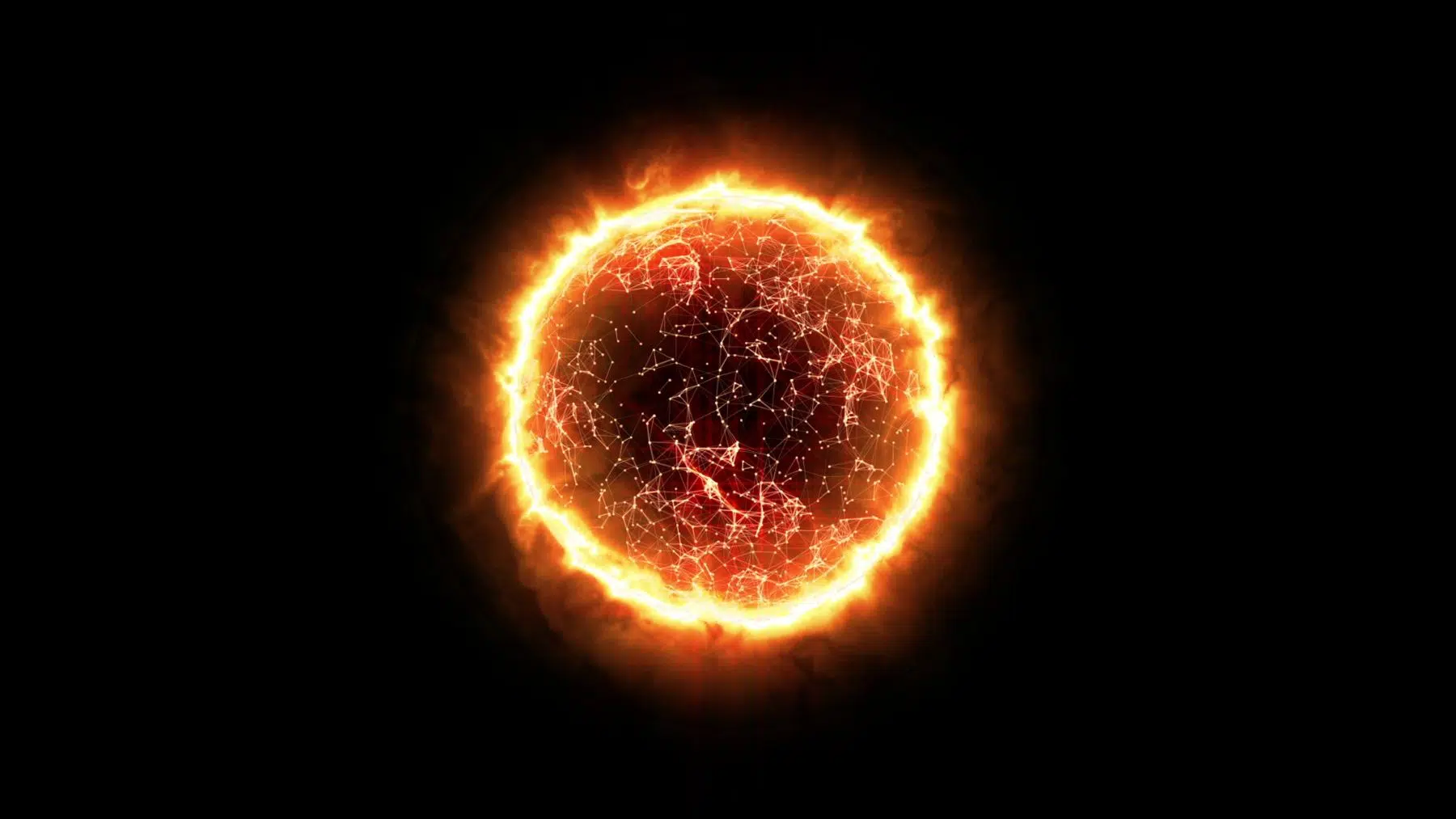
This breakthrough happened inside an “artificial sun,” a special machine designed to behave like a real star. By going beyond the Greenwald limit and staying stable, researchers showed that this barrier was not permanent.
Why this matters beyond the lab
Breaking this limit does not mean fusion power will suddenly appear in homes. Many challenges still remain. But removing this barrier changes how future experiments can be designed.
It means smaller systems could produce more energy, and future projects may move faster than before. For a field that measures progress in decades, this is a meaningful step.
A quiet shift with big meaning
Fusion research rarely comes with dramatic moments. Progress is slow and careful. But sometimes, one result changes how scientists think about what is possible.
After 38 years of stopping at the same point, researchers have now shown they can move beyond it. That shift may shape the future of clean energy in ways we are only beginning to understand.
Read the whole thing?
Get the week's signal, not the noise
Our sharpest reporting on energy, climate and nature — free, once a week.