
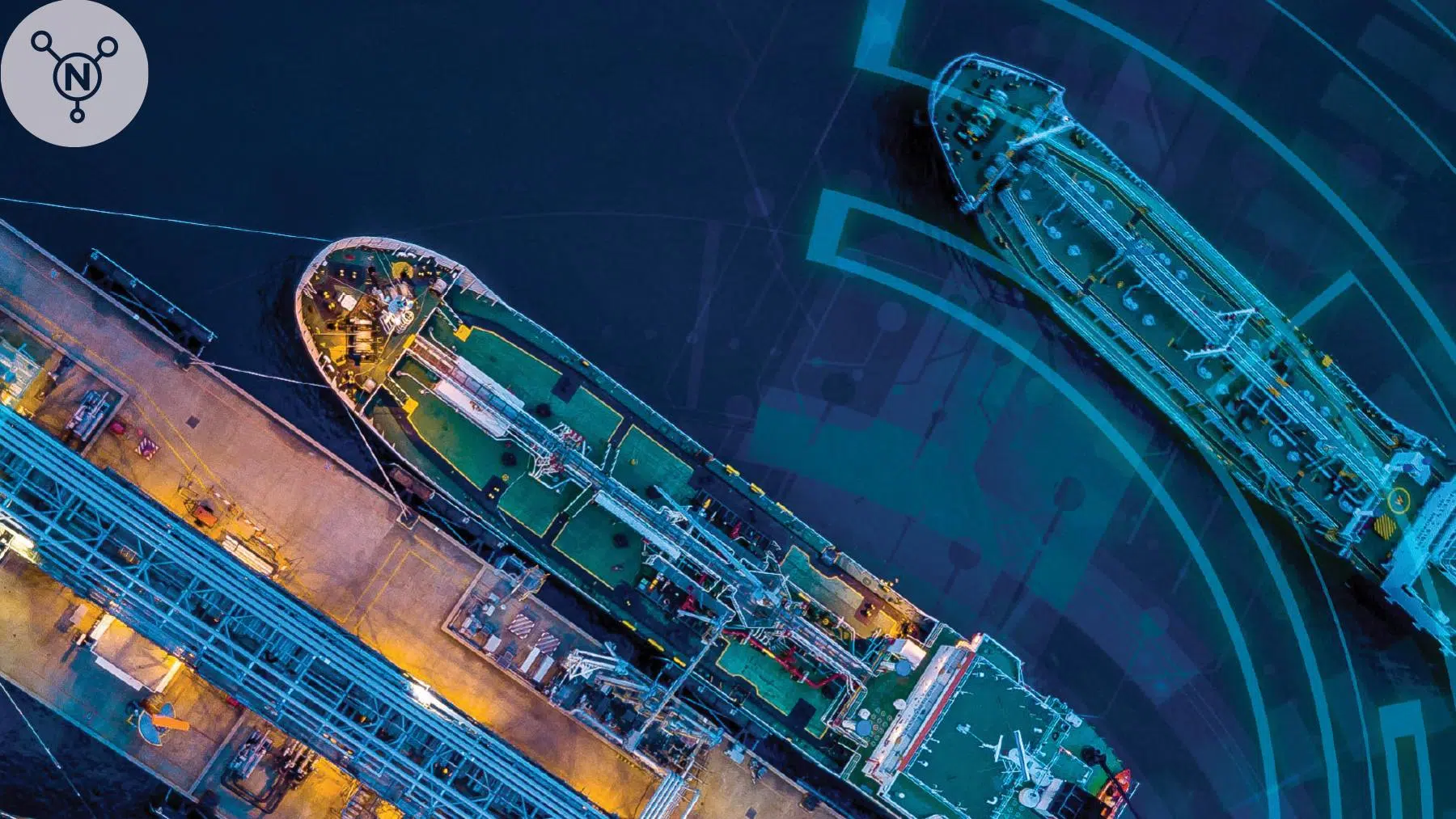
Malaysia is keen on being a major player in the hydrogen industry, and the Asian country’s latest move proves they should be taken seriously. A Japanese engineering company called IHI Corporation and Gentari, the Malaysian clean energy arm of Petronas, have signed a memorandum of understanding to develop a worldwide green ammonia value chain, which goes hand-in-hand with the wider adoption of clean hydrogen and its use as a fuel in vehicles.
Minister of Science, Technology and Innovation, Chang Lih Kang, said in a recent speech that Malaysia is aiming to reach production of two million tonnes of clean hydrogen per year by 2030, and it has five years to achieve this ambitious aim. The long-term goal is 16 million tonnes by 2050.
Asian collaboration sees Malaysia’s hydrogen goals becoming clearer through ammonia development
IHI and Gentari will be working toward their ammonia and hydrogen goals through the development of production, transportation, storage, and utilization methods of green ammonia in the Asia-Pacific and other areas of mutual interest.
The two companies’ MoU also incorporates the commercial demonstration of an ammonia-powered gas turbine called the IM270 with the hoped-for end result being the commercialization of the unit. Japan’s New Energy and Industrial Technology Development Organization (NEDO) will be on hand to offer support in the facilitation of what has the potential to be the world’s first 100% ammonia-powered gas turbine in history.
The reason why ammonia is important in the accelerated adoption of hydrogen is that it serves as a hydrogen carrier for storage and transportation. It will be almost impossible to develop a hydrogen network of the envisioned scale without viable ways to store and transport it, which is why ammonia and hydrogen development need to take place simultaneously.
Malaysia’s broader focus remains on the widespread adoption of hydrogen fuel
IHI and Gentari are striving to generate a demand for green ammonia in Malaysia and the broader Asian regions with the intention of accelerating the adoption of clean hydrogen as a viable energy transition medium. This plan aligns with Malaysia’s National Energy Transition and Hydrogen Economy & Technology Roadmaps as well as the country’s broader net zero goals.
However, the primary focus leading up to the year 2030 will be on replacing the demand for grey hydrogen with blue hydrogen due to the high cost of producing the green kind. Malaysian Minister of Science, Technology and Innovation, Chang Lih Kang, summarized the country’s strategy:
“Malaysia plans to phase out fossil-fuel-based gray hydrogen in the short term and towards green hydrogen in the long term through the Hydrogen Economy and Technology Roadmap.”
The 4 “colors” of hydrogen explained
The different kinds of hydrogen are separated by color (although this is not the actual shade of the substance). “White” hydrogen occurs naturally and no carbon emissions are produced in the process of extracting it from beneath the Earth’s surface.
“Green” hydrogen is produced under artificial conditions using electrolysis, but renewable energy is utilized, so it’s considered “clean.” The “blue” form of hydrogen is produced with natural gases and although the process generates carbon emissions, carbon capture ensures that no greenhouse gases reach the atmosphere.
The worst form of hydrogen is the “gray” kind, which is artificially produced by burning fossil fuels and generates high levels of carbon emissions.
The significant benefits of renewable hydrogen as a fuel
These are the main advantages of hydrogen for use in the transportation industry:
- Energy efficiency: Hydrogen offers a high rate of efficiency in relation to volume.
- Zero emissions: Water vapor is the only byproduct produced by using hydrogen as a fuel.
- Industrial applications: Hydrogen is ideal for high-power applications like manufacturing, aviation, and shipping, where batteries are not capable of delivering sustained periods of high-power output.
If Malaysia keeps up with its renewable energy goals, it may well end up as one of the top suppliers of hydrogen in the world. It has competition, though, as the United States is also looking at three regions where natural hydrogen deposits have been located.
Read the whole thing?
Get the week's signal, not the noise
Our sharpest reporting on energy, climate and nature — free, once a week.


