How these whales interact with one another is very different from what has been found in other species.
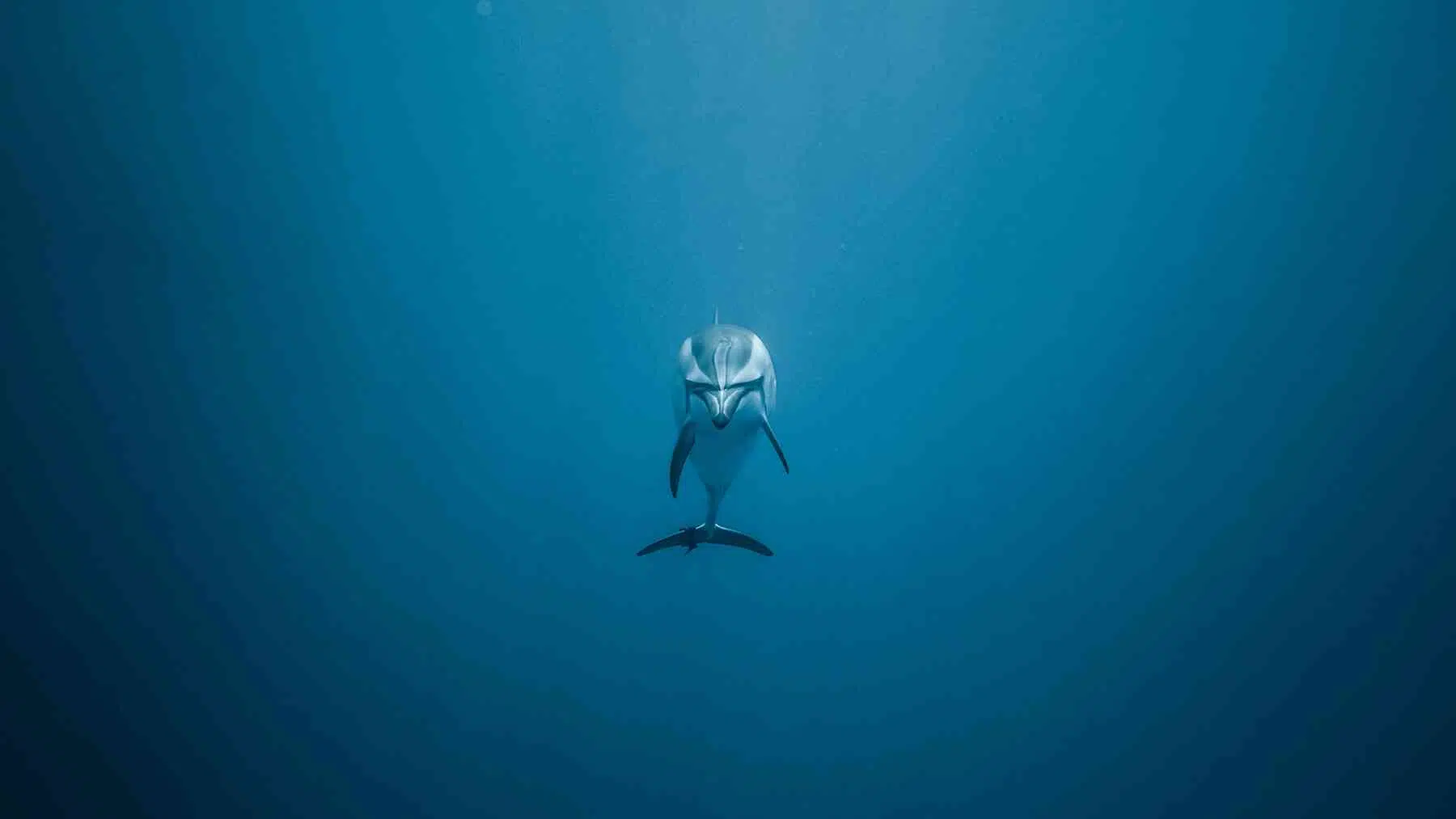
The only place we know to find beluga whales is in an area roughly 1,000 miles wide near the Alaskan coast in Bristol Bay.
About 2,000 live there. Every single year, the beluga whales make the same trip back into their habitat.
Year after year, this interaction creates relationships that initially appear to be typical.
As you begin to examine them more closely, they tend to lose predictability.
Finally, one phenomenon occurs again and again: what is that “breeding secret”?
A population unlike any other
You would never have thought this group of whales would succeed the way it has.
Bristol Bay is home to a small population that is nearly completely cut off from the rest of the world.
This separation creates potential issues related to genetics. Genetic diversity often decreases.
When a population loses diversity, it also loses the strength to withstand outside pressures such as predators.
Typically, only a few larger males will breed with most of the females in the population.
Over time, this reduces genetic variation across generations. Most models predict this kind of outcome in smaller, isolated populations.
This population does not show the expected decline in genetic diversity.
So why isn’t this population showing that predicted decrease?
Clues of shifting relationship structures over time
Eventually, something becomes obvious: there is a consistent mating pairing. Relationships develop, then disintegrate.
New associations occur and pass away, so there seems to be no established order.
As more sampling occurred, it became clearer what beluga families looked like when grouped together.
These associations did not cluster in a way that would indicate grouping based on genetic similarity.
Some relationships existed where none would typically be expected.
Other gaps appeared where they normally would be present. There was also no indication of a hierarchical dominance structure among certain whales, such as larger males.
Instead, it appeared that a fluid network was being created.
Since no particular group was controlling reproduction, what factor could be responsible for creating these relationships across the population?
Research that illustrates these patterns in greater detail has been published in Frontiers.
A pattern that develops over time
At first glance, there does not appear to be anything unusual about the way this is presented or described.
When you look at it more closely, there is a sense of familiarity, as if these patterns follow something already understood.
They seem to exist separately from one another, entirely independently with no clear connection. As time passes, they may initially be easy to dismiss, but repetition begins to stand out.
They start to show again and again across different observations, becoming difficult to overlook.
A constantly evolving system
Based on DNA data, male and female beluga whales do not form long-term pair bonds; instead, they move on to new mates over time.
Since this pattern persists across multiple generations, an intricate web of connections forms. These links spread genetic ties throughout the population.
Rather than concentrating genetic contribution in a few individuals, it is distributed more broadly.
Many offspring share relationships as half-siblings.
These connections link different family units across generations. Each generation introduces new combinations of parents.
As a result, they continue to move instead of becoming isolated.
This constant movement helps support overall genetic diversity.
Whether the population is large or small, or geographically isolated, this system does not rely on stability. Instead, it relies on change.
If this system can sustain a population through shifting mating pairs, how many others might exist that we have not yet recognized?
Read the whole thing?
Get the week's signal, not the noise
Our sharpest reporting on energy, climate and nature — free, once a week.