
Many treasures have been found over the past centuries, with some dubbing the wreck of the Spanish galleon San José as the biggest treasure in history. It was said to have carried up to 200 tons of gold, silver, and uncut gemstones, potentially valued at billions of dollars. Now, Australia has discovered another treasure that might be even bigger. Could you imagine? This treasure is very unique. It might not be gold, silver, or even uncut gemstones, but it will be seen as one of the biggest in history.
The biggest renewable energy treasure in history is green
Renewable energy has become the most sought-after treasure in the 21st century. Now, we might have the biggest treasure yet, thanks to Australian company Vast Renewables Limited. The renewable energy company provides clean energy solutions that enable 24/7 green, cost-effective heat and power. The aim is to decarbonize the grid, green fuel production for the transport industry, and hard-to-abate industries.
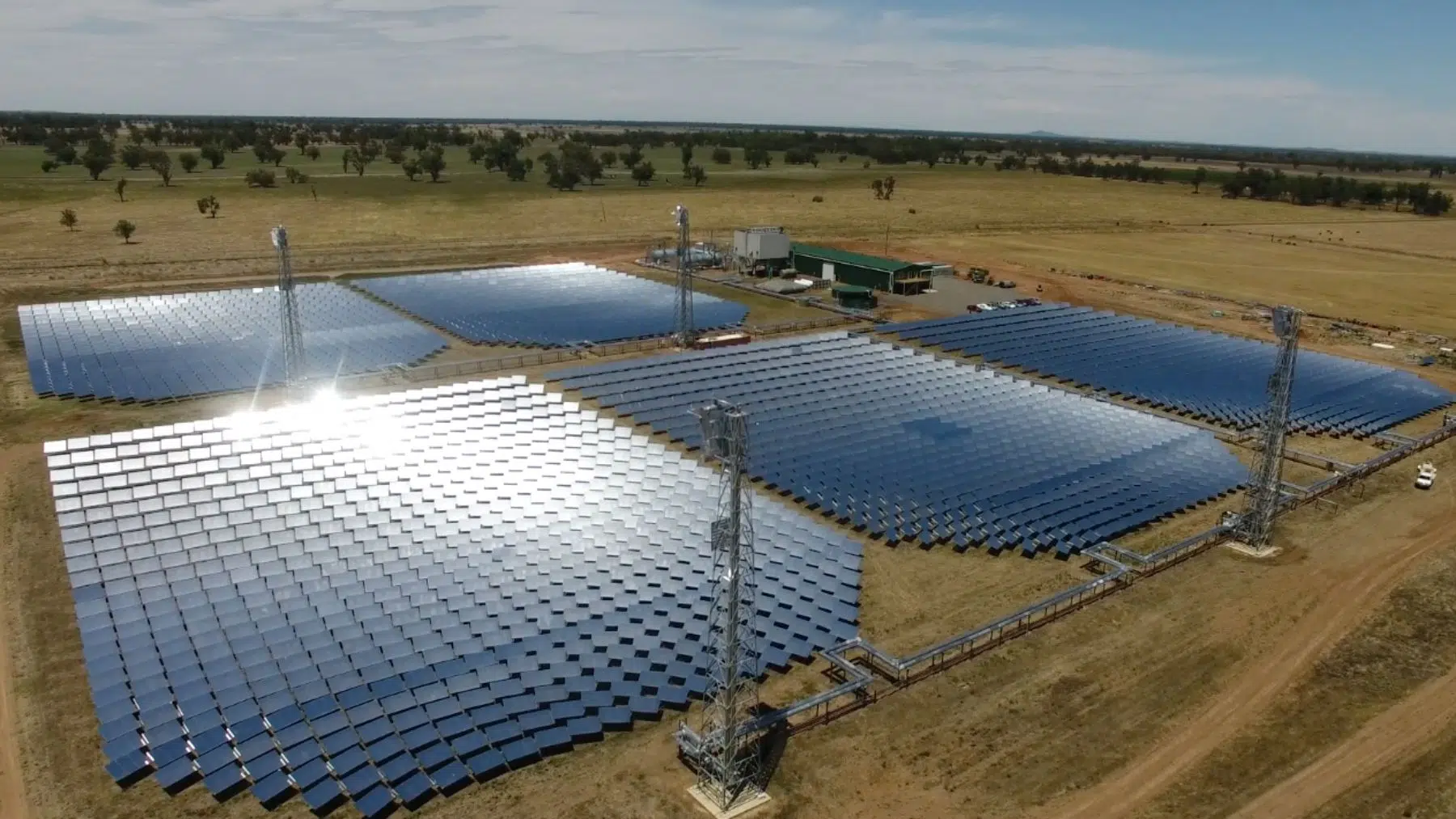
Vast’s latest project, the Port Augusta utility-scale clean energy project, Vast Solar 1 (VS1), will include a hydrogen-based green methanol plant, Solar Methanol 1 (SM1). After securing up to AUD180 million of conditional funding from the Australian Renewable Energy Agency (ARENA), VS1’s construction can commence soon.
VS1 uses Vast’s next-generation concentrated solar thermal power (CSP) solution, and will be the first Australian project to supply essential long-duration renewable energy storage and production. Peak pricing intervals after sunset will be capitalized when isolated renewable energy, like solar energy, is unavailable. This will result in reliable, on-demand clean power to South Australia’s grid.
This treasure has practical applications
This historical treasure can potentially play a key role in pushing the global energy transition. Designed to supply carbon-free power and heat 24/7, VS1 will decarbonize the grid, fuel production for shipping and aviation, specialist industries such as data centers, and industries like mining and refining.
SM1 is being developed by Vast in alliance with a global energy company, Mabanaft. A real-world, in-demand application for hydrogen, green methanol has the potential to decarbonize shipping and is already utilized to power major container vessels.
These revolutionary projects will provide the foundation needed for the future exhibit of Vast’s global pipeline of clean energy projects that supplement intermittent solar panels and wind energy. VS1 and SM1 will contribute to generating green methanol and facilitate sustainable aviation fuel production.
The world will be able to see the result soon
With the much-needed funding from ARENA, VS1’s financing can almost be settled. The front-end engineering design (FEED) and commercial development have already been completed, giving Vast hope that the final investment decision (FID) will be reached. Additional investments are required to satisfy the range of AUD360 million. These additional investments will allow construction to begin in 2025.
Additional investors will also help boost the Australian economy, as Vast’s projects and production pursuits are expected to create dozens of Australian green manufacturing jobs, construction jobs, and long-term plant operations roles.
“By providing green, affordable electricity on demand when other renewables are not available to power homes, industry and fuel production, we deliver the missing piece of the puzzle.” – Craig Wood, CEO of Vast.
Wood announced he was grateful to ARENA and the Australian Government for their continued support for their project’s journey.
Vast’s project uses Australia’s natural resources, skills, and innovation to its best advantage. We hope that more investments will follow soon, as the company’s project will not just positively impact its country’s economy, but will revolutionize on-demand clean power supply, marking it as Australia’s green national treasure. Who knows? This green national treasure might go down as the world’s biggest treasure in history after all.
Read the whole thing?
Get the week's signal, not the noise
Our sharpest reporting on energy, climate and nature — free, once a week.


