Snow usually belongs to winter jackets, frozen fingers, and white rooftops. It doesn’t belong to warm air, green plants, and people walking around in shorts.
And yet, somewhere on Earth, people wake up, look outside, and see something falling from the sky that looks exactly like snow — just darker, warmer, and very wrong. At first, it feels strange. Then confusing. And finally, a little unsettling.
A place where snow makes no sense at all
This part of the world is known for sunshine, warm air, and island life. People imagine blue skies, calm days, and the sound of waves, not strange scenes outside their homes. Snow is so unlikely here that the idea almost feels like a joke.
Life usually follows a slow rhythm. Days are shaped by the ocean, the land, and familiar weather patterns. That’s why the surprise feels so strong when something completely out of place appears.
When snow shows up where it clearly shouldn’t, curiosity quickly turns into concern.
When the air starts to feel different
At first, the changes are subtle. The air feels heavier. The ground looks a little darker. Plants stop reacting the way they normally do. Nothing dramatic happens, and there are no loud warnings.
People assume it’s temporary. Maybe dust. Maybe smoke from far away. They wipe surfaces clean and move on. But the next day, it’s back again.
Whatever this is, it refuses to leave.
The quiet moment when confusion turns serious
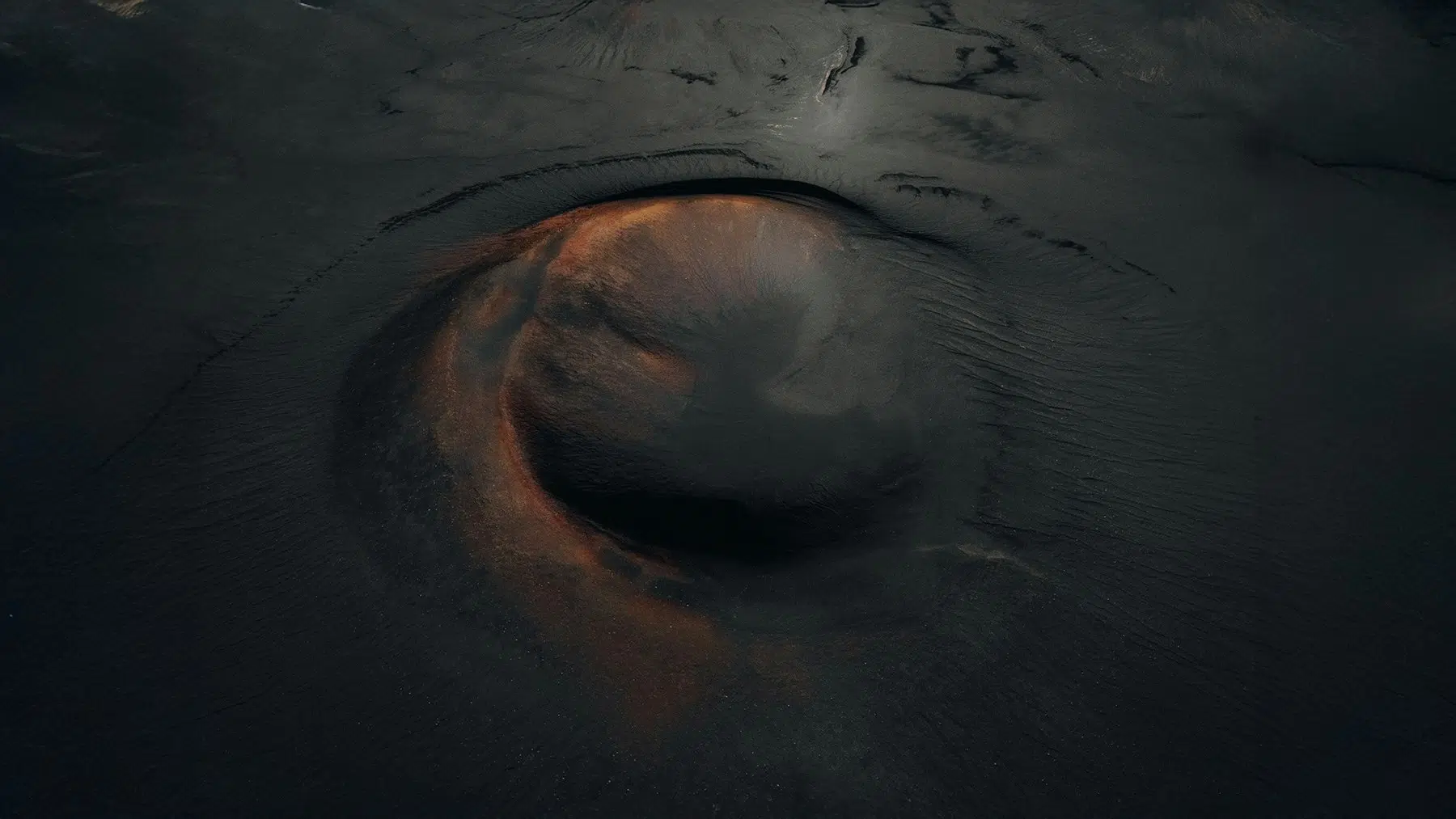
Soon, fine black particles begin falling from the sky. Slowly. Softly. Almost gently. From a distance, it looks like snowfall — calm and peaceful.
Up close, it feels wrong. Breathing becomes uncomfortable. Water tastes different. Crops start to struggle. What looked curious yesterday now feels like a problem that won’t solve itself.
The snow keeps falling. And now, people stop joking about it.
Living under something you can’t escape
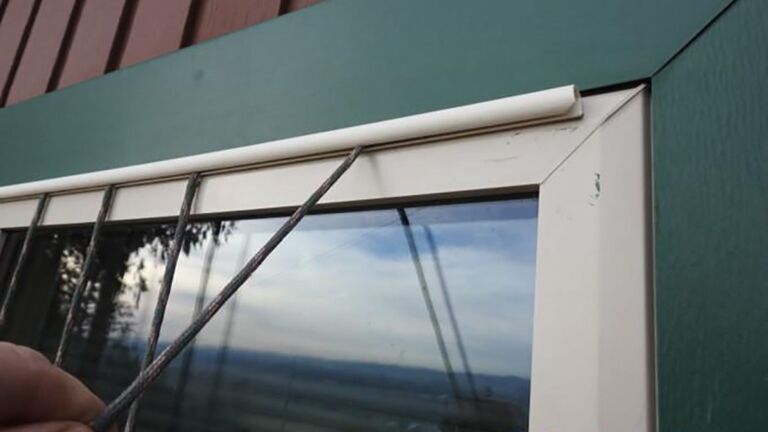
The hardest part isn’t the sight. It’s the constant presence. The particles settle on roofs, roads, and plants. They return even after being cleaned away. Daily routines become harder.
Simple things take longer. Washing food. Collecting water. Breathing deeply. Life continues, but with extra effort and quiet worry.
What looks strange and fascinating in photos feels exhausting when it becomes part of everyday life.
Where this is happening — and what the “snow” really is
This unusual scene is unfolding in Vanuatu, a small island nation in the South Pacific. The black “snow” isn’t snow at all. It’s volcanic ash.
The source is the Ambae volcano, also called Manaro Voui. It has entered a low-level eruption, sending ash into the air instead of dramatic lava flows. That ash drifts back down and covers the island like dark snowfall.
What looks curious from far away is a serious challenge for people living there.
Why this place is hard to live in right now
Volcanic ash gets everywhere. It damages crops, pollutes water supplies, and makes breathing difficult, especially for children and older people. Authorities warn residents to stay cautious as ash clouds rise and fall unpredictably.
For now, people wait and hope the activity slows down. Life doesn’t stop, but it becomes heavier, quieter, and more uncertain.
From a distance, black snow might look fascinating. Up close, it’s a reminder that even in the most beautiful places on Earth, nature always sets the rules — and sometimes, it breaks its own.
Read the whole thing?
Get the week's signal, not the noise
Our sharpest reporting on energy, climate and nature — free, once a week.