NASA was responsible for one of the most iconic moments in human history: the landing on the moon. Neil Armstrong said the historic words, and the man walked on the natural satellite that was created out of pieces of our own planet when a giant cosmic body, roughly the size of Mars, hit us 4.5 billion years ago. Astronauts went back to the moon after Apollo 11, but it wasn’t as impactful as the first landing. Now, they will be back on the moon after 53 years – if everything goes well.
It’s been half a century since the last time humans went to the moon
The Apollo program ended with its 17th mission in 1972. Ever since the last time NASA went to the moon, they have been dreaming about what they would do next time, but the right time is very far from the initial mission. With a new name and goal, the race in the Cold War against Russia is now against China, which is also developing a plan to land on the moon before 2030. The American space agency was, however, faster, and they are going to the moon again.
The project Artemis – named after Apollo’s twin sister from Greek mythology – is proceeding at full speed, and a couple of missions have already been launched into space, but without astronauts on board. While it may not seem like it, the Apollo 11 mission could have failed, and the astronauts could have either been trapped on the moon forever or lost en route to the satellite. Now, it’s time for a group of astronauts to go to the moon.
NASA is almost ready to launch: Meet Artemis II
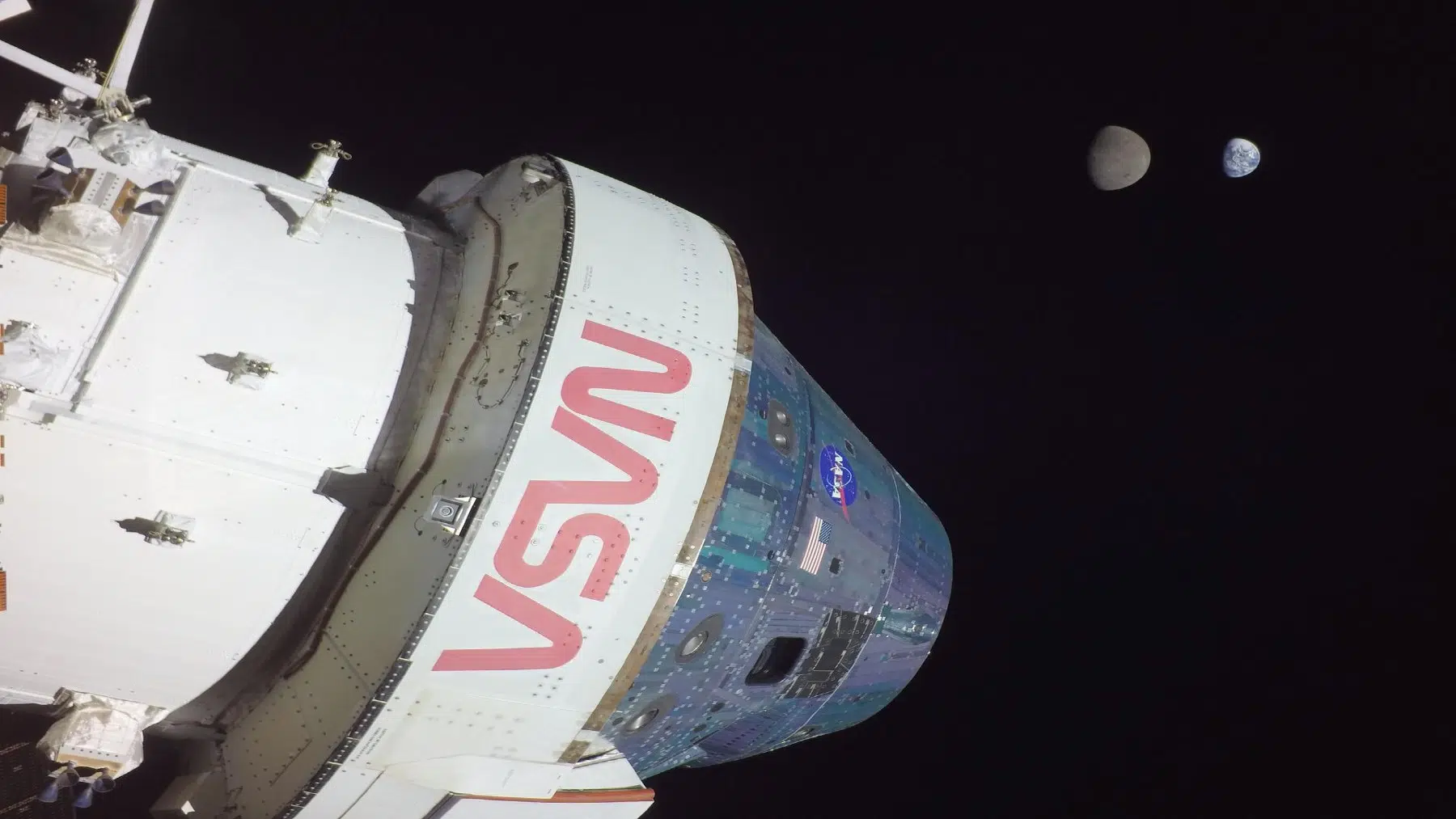
Artemis II will be the first mission to take astronauts beyond low Earth orbit since Apollo 17 in 1972. The flight is planned to last ten days, with the crew orbiting the Moon before returning to Earth. Unlike the Apollo landings, the astronauts this time will not step on the lunar surface.
The launch was initially scheduled for April, but could be pushed back to February. NASA officials explained in a press briefing that safety comes before the calendar. They also highlighted that the mission is more than a test—it prepares the ground for the next step, Artemis III, which aims to land astronauts on the Moon in 2027 using a modified SpaceX Starship (and the company even tested a Raptor engine in space during a mission).
The mission is official, but it’s also a test for the future
For Artemis II, the crew will ride the Orion capsule on top of the 98-metre Space Launch System rocket, lifting off from Kennedy Space Center in Florida. This will be the first time the rocket and capsule fly together with humans on board. More than 50 years after Neil Armstrong’s first steps in 1969, NASA is sending four astronauts back to deep space. Their journey around the Moon will prove the systems needed for a long-term presence beyond Earth. NASA engineers are using powerful computing chips to make Artemis flights safer and faster. In a recent project, wind tunnel teams worked with software specialists to find a cheaper way to improve the Space Launch System.
Going around the moon: Astronauts won’t land just yet
NASA’s mission will be the first time the SLS flies with a crew, carrying the Orion capsule on a ten-day trip around the Moon. At Kennedy Space Center in Florida, a Boeing team is working on the rocket by adding strakes. The job should be finished by October 2025. Artemis will take astronauts back to the Moon to run experiments, learn more about its surface, and prepare for future trips to Mars (and the south side of the Moon is the perfect spot for a scientific site).
Read the whole thing?
Get the week's signal, not the noise
Our sharpest reporting on energy, climate and nature — free, once a week.