
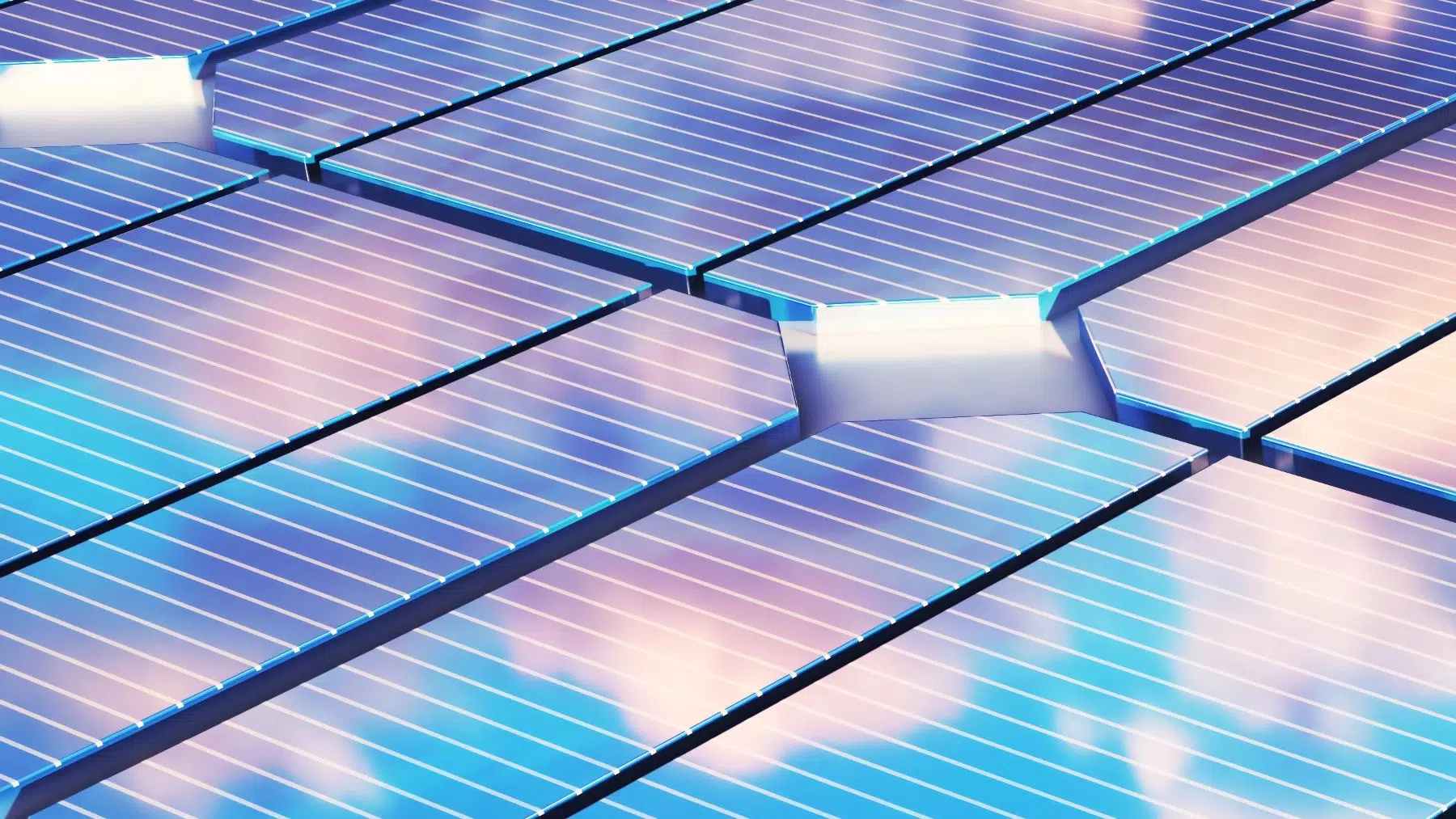
The search for clean energy has been influenced by new technologies, such as solar panels, from its beginning. Improving constantly as discoveries are made, we saw the evolution of wind energy, the discovery of new renewable energy sources, and the development of solar energy. Now, a recent discovery caused a major leap forward in the solar panel design, turning this technology 1,000 times more efficient than the traditional panels for solar energy capture. The key is a new crystal-layering technique discovery for scientists from this country.
A next generation of solar panels was produced by this country
According to the International Energy Agency, solar power is set to become the largest source of electricity by 2050. With the advancement of technology and the need for clean energy sources, engineers from many countries have dedicated their efforts to finding ways to improve the absorption of solar energy. A discovery recently made and published in Science Advances seems to be the key to elevating solar energy generation.
The new generation of solar panels uses a special “crystal sandwich” composed of barium titanate, strontium titanate, and calcium titanate. Together, these components are stacked in layers to form an ultra-thin solar absorber just 200 nanometers thick. Thanks to its structure, it achieves a current output up to 1,000 times stronger than standard barium titanate panels, while using substantially less material.
Scientists in Germany were responsible for this discovery that might allow smaller panels to generate far more electricity than silicon does today. With the improvement made by this new technology, Germany may be about to reach a new level in solar energy capture, being closer to countries such as Japan and China, which are internationally recognized by their gigastructures capable of absorbing and generating solar energy.
1000x power of absorption due to this change
A research team from Martin Luther University Halle-Wittenberg, led by Dr. Akash Bhatnagar, started to test alternatives to silicon on solar panels. A cheaper and potentially viable option was the use of ferroelectric crystals, but on their own, they are not capable of absorbing much sunlight.
The solution was in the discovery of the combined use of ferroelectric and paraelectric materials in layers that turned the panels cheaper while enhancing the light absorption. Besides not being able to have a charge separation, these materials can behave like ferroelectrics under special conditions.
“The important thing here is that a ferroelectric material is alternated with a paraelectric material.” – Dr. Bhatnagar
But how does this new solar panel work?
After detailed studies, the group found that the best results came with two paraelectric layers that enhance the photovoltaic effect. To create the layer, the barium titanate is positioned between strontium titanate and calcium titanate. With a high-powered laser, these crystals are vaporized and rearranged in ultra-thin layers.
As a result, the current flow was up to 1,000 times stronger, and it surprised even the engineers. An extended study shows that this effect is very robust and remains nearly constant over six months.
The discovery could lead to some changes for the solar industry
The discovery made by Dr. Bhatnagar’s team should be determining for the solar industry once its material may turn the solar panels more efficient, with a reduced cost of production when compared to the silicon-based solar cells. Also, it will require less space to generate the same amount of electricity, making them ideal for urban areas. Going further, with this improvement, Germany is getting close to Japan and China, which are the most developed countries when the topic comes to solar energy and the technology of the solar panels.
Read the whole thing?
Get the week's signal, not the noise
Our sharpest reporting on energy, climate and nature — free, once a week.


