
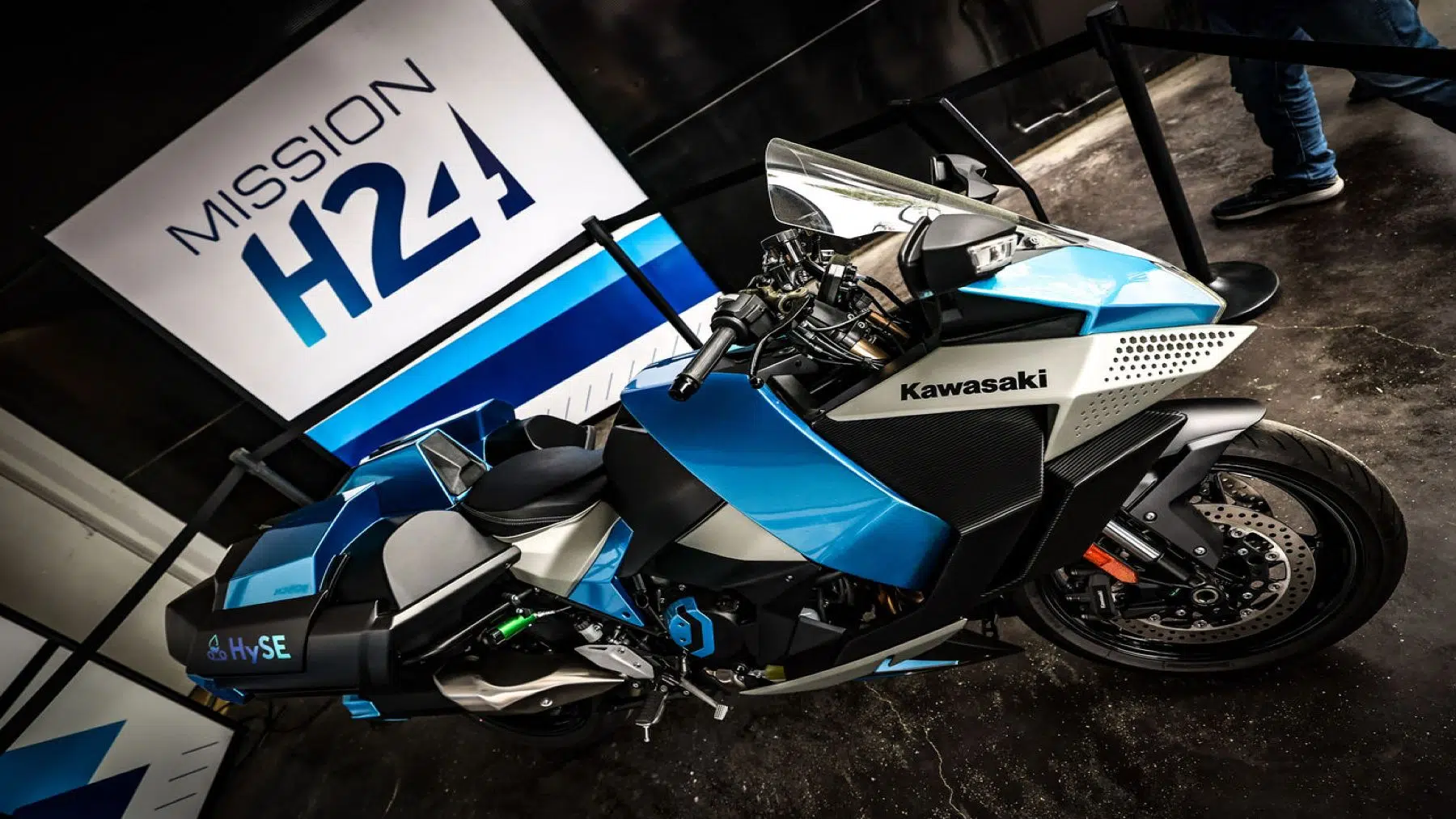
The creation of new, renewable energy sources is underway, and while some may not agree or buy electric vehicles in the future, there are other ways to help reduce environmental pollution. Hybrid vehicles are also available for those who do not want to abandon the combustion system, but there are new studies and engines pointing to a new fuel, not fossil-based and 100% renewable, and it was showcased in the Le Mans 24 endurance race in 2025 minutes before the longest race of the year took place.
Electric vehicles are taking over the market
Electric vehicles are taking over the market. Some major manufacturers, such as BYD and Tesla, have already sold millions of cars worldwide, making a statement that the future might be powered by full-electric powertrains. On the other hand, electric vehicles are not the only option, and scientists are making notable progress in the use of hydrogen as a fuel.
The concept is not new, and there are some trucks, motorcycles, and cars running on hydrogen, but the infrastructure to refuel an empty tank is a significant question – there are not many spots to refuel in the United States, and most of them are in California. Meanwhile, Japan continues to make its own breakthroughs in a collaborative effort between its biggest manufacturers to deliver the best hydrogen-powered engine possible – it appears they have succeeded.
Kawasaki conceived a motorcycle powered by hydrogen
Just 15 minutes before the Le Mans 24-hour endurance race took place in the mythical speedway in the French countryside, the Kawasaki HySE prototype went for a quick drive before the main event under damp conditions. The organizers of the race, the Automobile Club de l’Ouest (ACO), plan to one day host a full event for electric vehicles and hydrogen-powered cars only, and the best way to show the crowd watching live that this might happen in the near future was to showcase what a hydrogen-powered engine can do.
The design of the Kawasaki HySE is different from other super bikes the Japanese manufacturer is used to create. The development of the concept began in 2023, and the first prototype was put to the test at the beginning of 2024. The chassis was designed to accommodate the additional hydrogen cylinders – making it look like a car exhaust. The fuel source required more space than conventional, but future improvements are expected to be made. The bike made its first public appearance in 2024, in Japan, and it is powered by a supercharged 998cc inline-four engine, fueled 100% by hydrogen.
Space needed for hydrogen engines may push back projects
An important observation made by specialists is that hydrogen is nearly three times as energy-dense, which means that manufacturers could get the same amount of power from 4kg with a typical 15-liter tank instead of the common weight (12kgs). On the other hand, with the atmospheric pressure at 4kg, hydrogen would fill 44,000 liters of space, which requires more storage than a motorcycle can handle. The projects faced many setbacks, but Kawasaki continues to develop the idea of having a motorcycle powered by hydrogen instead of full-electric vehicles or their usual combustion super bikes.
Collaborations within the industry
Along with Kawasaki, Honda, Suzuki, Yamaha, Toyota, and other Japanese brands have created a consortium of automotive heavy hitters to explore hydrogen as a potential fuel source and creating other assets to be included in electric vehicles in the future. The collaborations between the brands are not new. European automakers have been collaborating on multiple projects with Nissan, Mitsubishi, and Isuzu – one of the biggest truck and diesel engine automakers in the world, with annual production around 16 million units.
Read the whole thing?
Get the week's signal, not the noise
Our sharpest reporting on energy, climate and nature — free, once a week.


