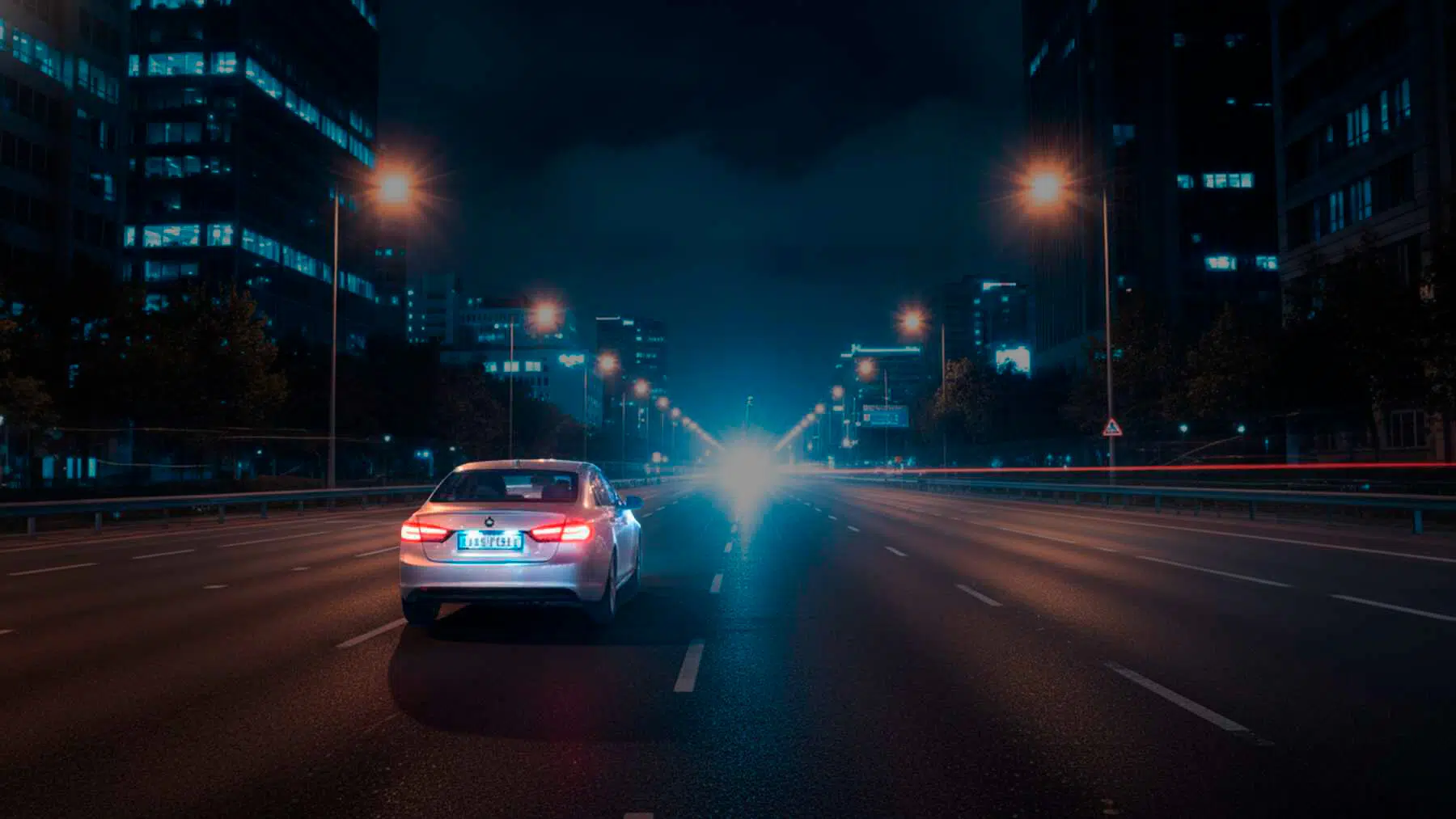
You might think that flashing lights on the roadside are just another part of driving.
But in every U.S. state, you must slow down and move over when you see them — and authorities are finally cracking down hard on people who don’t.
Ignore that rule and you could be hit with fines ranging from modest penalties to over a thousand dollars — and even points on your license.
This isn’t just about obeying the traffic code.
It’s about whether you understand how far enforcement is being stepped up, and how quickly you could find yourself on the wrong side of the law — even if you think you were just passing through.
What if you see a “suspicious” light on the road? There are three ones you need to keep in mind.
It’s not just about flashing lights, now it’s time to move over
Every state in the U.S. has a rule that’s supposed to make highways safer: when you see flashing lights on the shoulder, you’re legally required to alter how you drive. That doesn’t just mean being polite — it’s written into traffic law in all fifty states.
Here’s the basic idea: if an emergency vehicle, maintenance crew, tow truck, or stopped motorist has flashing lights on, you should move over one lane if it’s safe to do so. If you can’t change lanes — because of traffic, road design, or weather — you must slow down significantly as you approach.
The intent is simple: give space. Buffer space between moving traffic and people working or stopped at the roadside reduces the risk of collisions. That’s what the rule is designed for — to protect lives and keep traffic flowing safely.
Most drivers have heard the phrase “slow down and move over,” but what it really means in practice isn’t always clear. A lack of basic understanding turns a safety precaution into a risky habit.
Wait, it’s not as easy as you think
Here’s exactly where the tension lies.
Despite every state having this law, many drivers still ignore it — or misunderstand it. Surveys show that a large portion of motorists don’t even know who the law is meant to protect or when it applies. Many drivers only change lanes for police or fire vehicles but fail to slow down for tow trucks or disabled cars.
This is more than a technicality. Emergency responders, utility crews, and roadside assistance workers are regularly struck by passing cars because drivers either don’t move over in time or don’t reduce speed. Law enforcement agencies and safety advocates have repeatedly warned that this behavior is a leading cause of injuries and deaths on the interstate.
And when you think about it, the law isn’t just about slowing a bit — in many states you’re required to make a lane change when possible. Just make sure you do it slowly, or you’ll end up in this new category of driver.
Three colors and one direction: move over
Actually, it’s as simple as looking at these three color:
- Red: For active emergencies (including fire or ambulances).
- Yellow (also amber): Tow trucks, utility vehicles, maintenance cars or construction works.
- Blue: Frequently for law enforcement.
Take note: there are only three colors that every driver needs to be aware of. If you see one, you may need to move over to avoid any surprises.
The next time you see those flashing lights ahead, you won’t just be passing a stopped vehicle. You’ll be making a choice.
And it’s one that matters more than most drivers realize. This is nothing new, although there are new penalties for those who break this law. But not only are roads changing, but even pedestrian crossings could change with this new system.
Read the whole thing?
Get the week's signal, not the noise
Our sharpest reporting on energy, climate and nature — free, once a week.