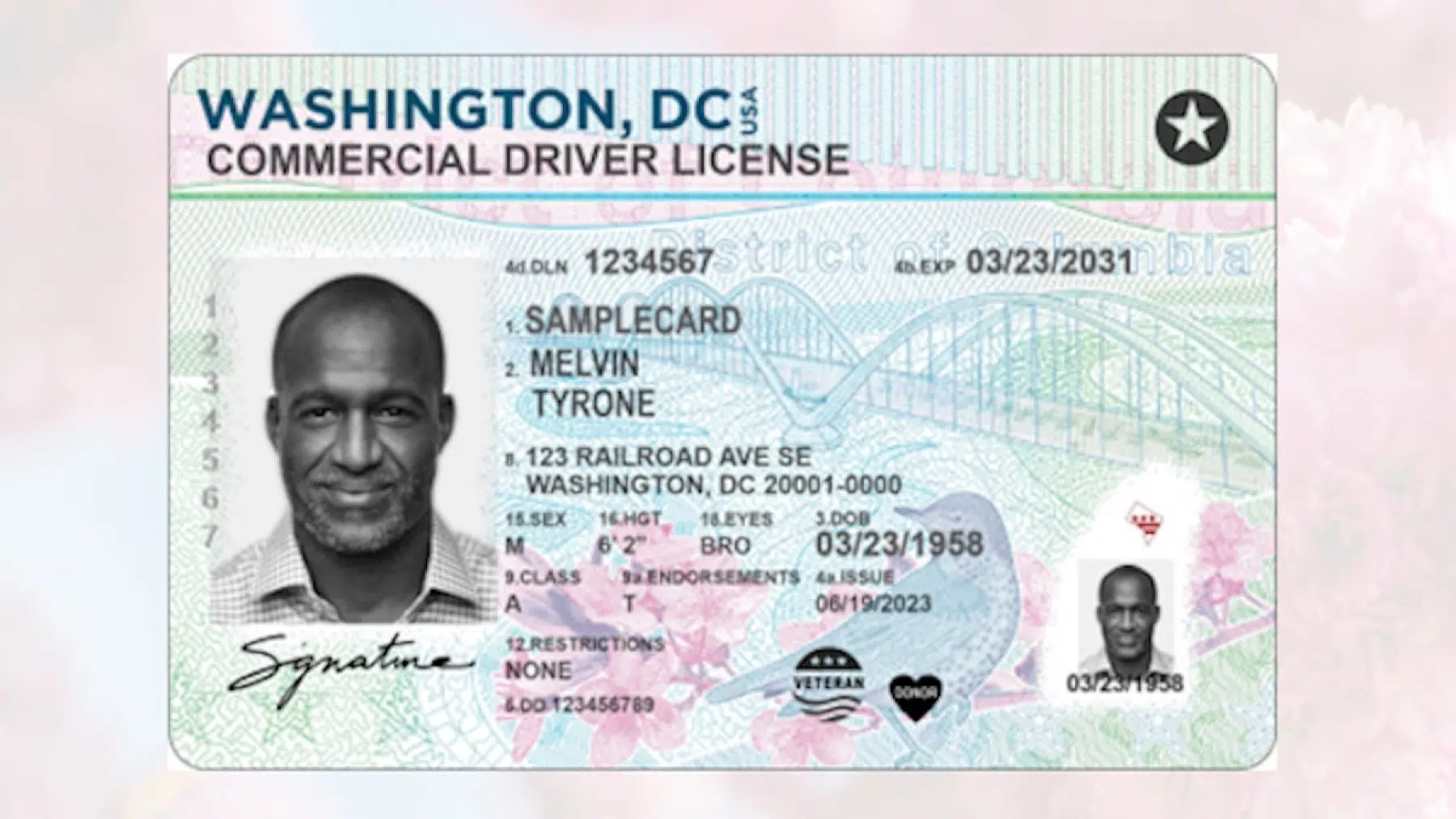
For many jobseekers, a résumé isn’t just a summary of experience—it’s a record of barriers. In the U.S., standard job requirements often go beyond skills and experience to include a valid driving license. That one line in a job posting quietly eliminates a large segment of the population—people who rely on public transit, can’t drive for medical reasons, simply can’t afford a car, or they’re underage and can’t get a license yet. Now, Washington is changing its laws to no longer require a license for jobs that don’t involve driving.
Not having a license was a problem
Advocates and disability rights groups have long challenged this practice, arguing that mandatory licenses create unnecessary exclusion. Studies show that people with disabilities—and many low-income or younger individuals—are less likely to drive. Still, they’re regularly screened out of jobs that don’t actually require driving. As a result, qualified candidates are left behind for reasons unrelated to how well they do or what they can achieve.
These concerns have sparked a growing conversation about fairness in hiring. Several states and civil rights organizations are now rethinking whether driving license requirements are truly necessary—or just outdated. As remote work and flexible transit options become more common, the question is gaining urgency: should the ability to drive really decide someone’s ability to work?
Washington bans the need for driving license for jobseekers
A new Washington state law aims to remove an often-unnecessary barrier to employment: the requirement for a driver’s license. SB 5501 in Washington Senate, sponsored by Senator Derek Stanford (D-Bothell), prohibits employers from listing a driving license as a job requirement unless the role specifically involves driving. According to the Senator, it’s not right to demand a license for jobs that don’t require being behind the wheel.
The change is especially significant for people with disabilities. U.S. Census data reveals that over 12% of Washington’s population lives with a disability, a group already facing steep hurdles in the job market. Anna Zivarts, who directs the Disability Mobility Initiative at Disability Rights Washington, explains that disabled individuals are about one-third less likely to be employed.
The bill extends to other subjects
Even with access to transit or remote work options, Anna Zivarts notes, many still encounter job listings with unnecessary driving requirements — even when driving has no connection to the job duties. The bill also addresses broader equity issues. Around 12% of adults in driving age don’t hold a driver’s license. The trend is especially clear among teens: in 2021, only 25% of 16-year-olds had licenses, down from 46% in 1983. With the passage of SB 5501, Washington joins Oregon and California in ensuring that a driving license isn’t a default gatekeeper for employment. The law went into effect on July 27, 2025.
States are also rolling out digital driving licenses
At least 16 U.S. states have started rolling out digital driver’s licenses, giving residents the option to store a valid ID directly on their smartphones or smartwatches. Through Apple Wallet on iPhone and Apple Watch, users can now present a digital version of their license at select TSA checkpoints and participating businesses, according to Apple Support. The feature is secured by Face ID or Touch ID, and all information is encrypted. Apple notes that it does not track when or where the ID is used.
One of the key benefits of mobile ID is enhanced privacy. Instead of showing the full driving license, users can choose to share only the information required — such as confirming they’re over 21 to purchase alcohol — without revealing their address or driving license number. This is one of the changes going on in many states with the DMV. With the new bill in Washington, others might follow the example and change their law too.
Read the whole thing?
Get the week's signal, not the noise
Our sharpest reporting on energy, climate and nature — free, once a week.