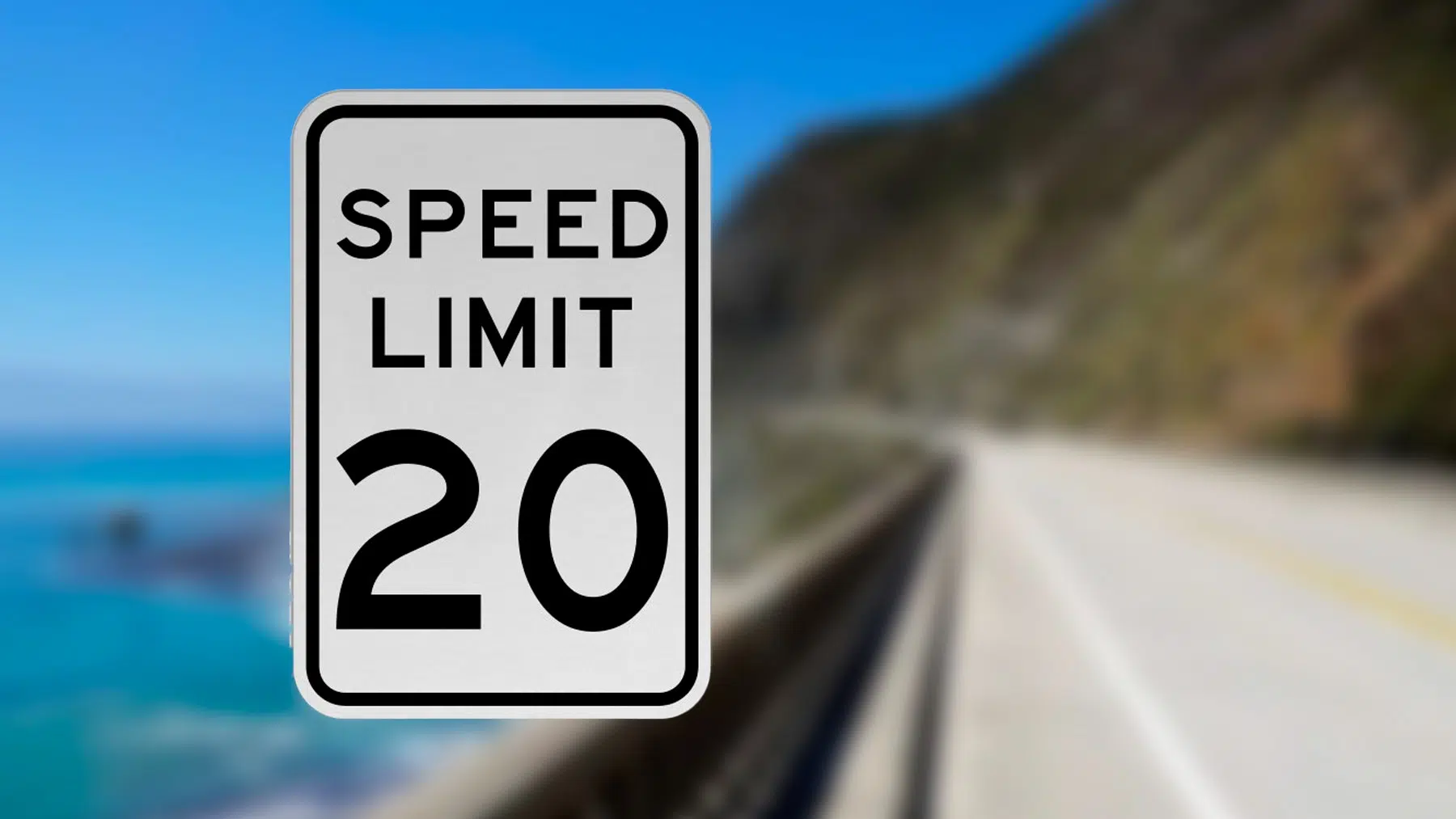
The way locals drive will change in California as a 20mph limit may soon take effect. Thousands of people are victims of reckless, high-speed driving in areas where the speed limit is smaller due to the population density in the region, especially in school zones, but this doesn’t seem to scare the speeders. Now, the new limit could be implemented, and the state has resources to find out what drivers didn’t follow the law. In some states, this can lead to hundreds of dollars in fines, as well as serve jail time.
One of the U.S.’s main states is pushing for change: a bill is still ongoing
This change is part of a bigger effort across the country to make streets safer for people walking, biking, and living in these neighborhoods. Cities all over the U.S. are trying out lower speed limits in crowded areas, hoping it will cut down on accidents. Even small reductions in speed limits can really help, especially for kids and older people, who are the ones most in danger on busy streets.
The plan has been cooking for months, using data from local traffic studies and talking with city planners and safety experts. Enforcement will be tighter than before, with cameras and monitoring set up in the spots where speeding happens most. Residents and officials alike are preparing for a noticeable shift in how people navigate their neighborhoods—one that could reshape daily commutes and school runs alike.
California will have a new speed limit soon: slower, but safer roads
Streets are about to slow down. California Assembly Bill 1014, introduced by Assemblymember Chris Rogers, is set to empower the California Department of Transportation (Caltrans) to lower speed limits on non-freeway state highways to 20 or 25 mph in areas deemed necessary for safety. The urgency behind this bill is underscored by alarming statistics. Over 250,000 accidents happen in California every year.
Californians and tourists fall victim to traffic incidents annually, many in zones where speed limits are already reduced due to population density. Distracted driving is also another factor. In lower speed areas, people tend to think that looking the cellphone while steering is not a problem because they would be able to react quickly – or avoid any issues. A “no touch law” is also taking place starting September 1st.
Even with rules already in place, enforcement has often been spotty, and some drivers just keep ignoring the speed limits. AB 1014 wants to make things more consistent and stronger by giving Caltrans the power to set and manage lower speed limits in risky areas, especially where a lot of people are walking around.
The bill is still under legislative process: a possible date revealed
The bill also calls for a change in how the new speed limits are enforced. At the moment, local authorities usually just hand out warnings for the first 30 days. AB 1014 would make all peace officers in the state follow the same rule, not just those in Los Angeles. The goal is to make enforcement more consistent and hopefully curb repeat speeders. If the bill passes as expected, it would go into effect on January 1, 2026.
School zones should be the most impacted areas: thousands of kids hurt
Meanwhile, communities are preparing for a potential transformation in how speed limits are enforced and how drivers navigate their neighborhoods. Speeding in school zones is a real problem. In California, the numbers are even scarier: 86% of drivers go over the limit in school zones, and pedestrians survive less than one in five crashes. This puts Cali as one of the most dangerous states in the U.S. to drive – or walk around “safe” areas like neighborhoods or busy streets
Read the whole thing?
Get the week's signal, not the noise
Our sharpest reporting on energy, climate and nature — free, once a week.